

7 Essential Vitamins and Minerals Every Man Needs to Thrive
Key Observations
- Supplements are a convenient solution to help fill nutritional gaps in men’s diets. They should complement a healthy diet—not substitute for real foods or positive dietary behaviors.
- Too many men in America are missing important nutrients. Crucial nutrients such as vitamin D, magnesium, zinc, omega-3 fatty acids, and B vitamins play a key role in increasing energy levels, supporting immune function, and improving overall health.
- Select quality supplements carefully: Daily Multivitamin, Vitamin D3, Omega-3 Fish Oil, Magnesium, and Zinc. When used alongside a wholesome diet and consistent fitness routine, these supplements can truly make a difference in targeting your unique health concerns.
- The bottom line: Always check with a trusted healthcare professional before adding any supplement to your routine. Start with lower doses and watch for potential interactions or adverse effects, especially if taking other medications.
- Look out for exaggerated marketing claims when selecting supplements. Look for third-party testing seals and clear labels to guarantee safety, efficacy, and quality.
- Supplements work best when used in conjunction with lifestyle changes. Put an end to the pill-popping mentality and prioritize healthy eating, regular exercise, sufficient sleep, and smart stress reduction for better health.

- Nutritional support for what matters most: One A Day Men’s 50+ vitamins for men are specially formulated with an excellent source of 15 essential nutrients to support 6 key concerns of aging:* physical energy(1), heart health(2), healthy blood pressure(3), eye health, immune health, and healthy brain function
- Rich in essential nutrients: This men multivitamin 50 plus has at least 100% Daily Value of vitamins A & C, 8 B-Vitamins, Iodine, Copper, Manganese, Chromium, Selenium, Zinc and Molybdenum
- Men’s vitamins designed by experts: 80 years of expertise designing science backed formulas, and from the #1 multivitamin brand specially designed for men
- Free of what you don’t want: Our multivitamin for men 50 plus is free of 9 major US food allergens, no egg allergen, no fish & no crustacean shellfish allergens, no dairy (milk) allergen, no peanut & no tree nut allergens, no soy allergens, no wheat allergen and no sesame allergen
- How to take: Adults: one tablet daily, with food. Multivitamins for men over 50 provide nutritional support for your health*

Last update on 2026-10-18 / Affiliate links / Images from Amazon Product Advertising API
Men’s health supplements are products specifically designed to address men’s health concerns, such as increasing muscle mass, promoting heart health, and boosting energy.
Millions of men across the United States trust these supplements to provide the nutrition their diets may lack.
These supplements aim to improve their health and happiness in daily life. The most popular include multivitamins, fish oil, and protein powders.
Other brands throw in zinc, magnesium, or vitamin D to support bone and immune health.
You can find a wide variety at your local drugstore or coffee shop, or online at Walgreens or Amazon.
How Should Users Choose Supplements
Generally, users choose based on their personal goals or their doctor’s recommendation, as many supplements serve various age groups and health needs.
Get our tips for selecting safe products, including how to read labels to find the right products for you.
Why Even Think About Supplements?

Millions of Americans and Europeans take supplements to fill dietary gaps. They’re trying to improve their health and quality of life.
Even with the best food choices possible, gaps can quietly creep in.
In fact, occasionally, a hectic lifestyle or certain medical circumstances can make it challenging to consume sufficient amounts of essential vitamins.
Supplements are indeed part of the solution, but they’re not a panacea. Here’s a closer look at the reasons men should think about incorporating them.
Modern Diet Nutrient Gaps
The average guy gets his food from convenience stores and burger joints. These foods are frequently stripped of important nutrients such as vitamin D, magnesium, and fiber.
With a busy day often leading to meals on the go, it’s easy for fresh vegetables, whole grains, or healthy fats to get left behind.
If you follow a diet with restrictions, like plant-based or low-carb, it can be even harder to get enough iron, zinc, or B12.
This is why many men, as well as women, supplement, particularly after a doctor discovers a deficiency, such as low vitamin D.
Unique Health Needs of Men
Men are at risk for conditions such as heart disease or sarcopenia with advancing age.
Eating a diet full of these essential vitamins and minerals goes a long way, but oftentimes food alone isn’t enough.
As men age, their bodies require higher amounts of nutrients such as calcium and vitamin D. Supplements can be beneficial, but requirements shift as one ages, becomes ill, or leads a more active lifestyle.
Smokers or regular drinkers might benefit as well.
Supplements: Helpers, Not Magic Pills
Supplements should support a nutritious diet. They can be a helpful tool. It can be tempting to believe that a magic pill can replace a bad diet, but real food is more impactful.
Other people are incapacitated from the get-go by serious health problems. It’s important to discuss with your doctor first, as some pills might interact negatively with other medications or pre-existing conditions.
My Take: Are They Overhyped?
Like this claim: A billion dollars in advertised sales later, nearly all the claims are outpacing the science. There are effective supplements for specific needs; however, not all supplements are a good investment.
It’s a savvy move to get the real story and consult with your physician before you jump on the bandwagon.
Foundational Nutrients Men Often Lack
Across the U.S. and Europe, men are likely missing out on essential nutrients—sometimes without their knowledge. These deficiencies can result from hectic lifestyles, the prevalence of convenience foods, or simply a lack of dietary diversity.
Without these nutrients on board, the body is running in low gear—affecting energy levels, muscle strength, mood, and immune function.
Maintaining consistent levels of key nutrients is crucial to ensuring the body can perform at its peak—from building and maintaining muscle to preventing and combating illness.
Let’s take a closer look at the foundational nutrients men often lack, why they’re important, and how to get more of them.
Vitamin D: More Than Sunshine
Vitamin D plays a major role in overall health by helping the body absorb calcium to support strong bones and keeping the immune system functioning properly.
Since not getting effective sunlight—particularly in northern climates or during winter—is the norm, many men come up short.
Fatty fish, egg yolks, and fortified milk will give you a big dose of vitamin D. When sunlight is not abundant, supplements are a fantastic way to increase your levels.
Low vitamin D levels cause weak bones, low mood, and more sick days.

- Multivitamin for Men 46-in-1 — complete daily support designed for men’s wellness, including energy, metabolism, immune health, focus, memory, endurance, and overall vitality in one easy capsule per day.
Last update on 2026-10-18 / Affiliate links / Images from Amazon Product Advertising API
Magnesium: The Unsung Hero Mineral
Magnesium helps muscles function properly and aids in the conversion of food into energy. Signs of deficiency can include muscle cramping, fatigue, or insomnia.
Nuts, seeds, whole grains, and leafy greens are all magnesium-rich foods. It regulates how the body manages stress—definitely a score on those surprise-ninja-warrior days.
Zinc: Immunity and Hormone Balance
In addition to promoting immune function, zinc helps maintain healthy testosterone levels. Meat, shellfish, beans, and nuts are all rich sources.
If you’re not getting enough zinc, that can lead to slower wound healing, lower mood, and decreased muscle strength.
Omega-3s: Essential Fatty Acids
Omega-3s are good for the heart, reduce inflammation, and protect the brain. Fatty fish, walnuts, and flaxseed are among the best dietary sources.
It’s not just about getting enough, though; it’s about not overdoing omega-6s, which can disrupt the balance.
B Vitamins: Your Energy Crew
B vitamins—specifically B6, B12, and folate—assist in converting energy from the food we eat. They’re found in meats, whole grains, dairy, and leafy greens.
Deficiency in these essential B vitamins can leave you tired, unfocused or weak.
Top Essential Supplements for Men
Men’s health needs are influenced by a complex interplay of genetic, lifestyle, and environmental factors. Most men living in the cities and suburbs of North America and Europe are not meeting their nutrient needs each day.
Their hectic schedules and 21st-century diets make it more difficult than ever.
Supplements should never replace nutritious whole foods, but they can certainly fill key gaps and support a lifetime of healthful living.
Selecting the best-quality, third-party-tested supplements can make a real difference in daily routines, particularly in energy, immunity, and performance.
These are the essential supplements that male health experts recommend the most. We’ll break down what each supplement does, why it matters, and how to find the best ones.
1. A Solid Multivitamin Foundation
A daily multivitamin acts as a safety net for men who may not meet all nutritional needs through diet alone. Most multivitamins combine vitamins A, C, D, E, and K, plus B vitamins, calcium, magnesium, zinc, and sometimes trace minerals like selenium or copper.
For good reason, these nutrients are involved in processes that support immune function, bone strength, heart health, and even metabolism.
For active men balancing work and study, a good multivitamin provides the foundation for any health-building regimen.
Men should get these nutrients from brands that list each key nutrient with precise, easy-to-identify amounts. They must steer clear of ‘proprietary blends’ that hide ingredient amounts.
Third-party testing, like NSF or USP certification, confirms label accuracy and the absence of harmful contaminants.
Products that taste neutral or enjoyable, such as softgels or chewables, are more likely to be continued. A balanced diet can’t be replaced, and no supplement can do the job.
A high-quality multivitamin can make it a lot easier to roll with life’s punches.

- Zinc: 30 mg of an optimally absorbed form of zinc to support general wellness, immune function, healthy skin and connective tissue, and eye health*
- Immune Support: Zinc promotes the optimal functioning of the body’s immune response and promotes the activation of a type of white blood cell that helps moderate the body’s inflammatory response during times of immune stress*
- Skin and Eyes: Zinc promotes healthy skin and eyes*
- Third-Party Certified: This product has been third-party tested and certified to verify what’s in the package matches what’s on the label and to confirm it contains no unsafe levels of contaminants
- Trusted: Thorne is trusted by 100+ professional sports teams and the #1 most recommended clinical brand by consumers and health-care practitioners (Based on a 2026 independent survey of US supplement consumers and health-care practitioners)
Last update on 2026-10-18 / Affiliate links / Images from Amazon Product Advertising API
2. Vitamin D3: Crucial for Most Guys
Vitamin D3 plays a role in libido, fertility, bone health, immune function, muscle strength, and mood. Men who spend little time outdoors or live in northern climates may not get enough sunlight to make vitamin D naturally.
Most guys need 600-2,000 IU of vitamin D daily. This advice is adjusted by individual age, skin type, and sun exposure. Fatty fish, egg yolks, and fortified milk are all great sources of vitamin D.
More often than not, they fail miserably at providing effective levels.
That’s where supplements—particularly liposomal supplements—make a difference, increasing absorption and keeping blood levels stable.
Studies find that adequate vitamin D intake lowers the risk of bone loss. In addition to supporting the overall immune system, it’s important for reducing the risk of respiratory infections.
For men with low blood levels of vitamin D, supplementation can produce unequivocal improvement.
3. Omega-3 Fish Oil: Brain & Heart Boost
Omega-3 fatty acids, particularly EPA and DHA from fish oil, are essential for heart health, brain function, and more. They help lower triglyceride levels, reduce inflammation, and improve healthy blood flow.
Most men do not consume enough omega-3 unless they regularly eat fatty fish, such as salmon, sardines, or mackerel.
Most supplements deliver between 500 and 1,000 mg of EPA plus DHA per day. Some brands offer higher doses for men with specific needs.
Clinical studies back the positive effects on mental acuity, mood improvement and stabilization, and even joint relief. Opting for triglyceride-form fish oil enhances the bioavailability of the offering. Your favorite brands are all third-party tested for purity, meaning they’re free of heavy metals and oxidation.
4. Magnesium: For Stress and Sleep
Relaxing and Restoring Magnesium is one of the minerals that help muscles recover through relaxation, which is critical for quality, restorative sleep.
Most men fall short of what they need in a day.
The recommended daily intake for adult men is 400-420 mg. Spinach, pumpkin seeds, nuts, and whole grains provide the best sources of magnesium. Unfortunately, cooking and processing can reduce their magnesium levels.
Supplement forms like magnesium glycinate or citrate are slightly easier on the stomach and better absorbed.
Studies have connected magnesium to reduced stress levels, improved sleep quality, and decreased cramping or muscle soreness post-exercise.
For active men, magnesium is a total game-changer.
5. Zinc: Immune and T-Level Support
Zinc is one of your immune system’s most important defenders. In addition, zinc boosts testosterone production—essential for muscle growth and sexual health. Men require approximately 11 mg daily.
Foods like oysters, beef, pumpkin seeds, and lentils are high in zinc. Some symptoms of zinc deficiency may include frequent colds, slow wound healing, and low energy.
Supplements are particularly useful for vegetarians or men with restricted animal food sources in their diet.
Zinc gluconate and zinc picolinate are two highly absorbable forms. One important note about zinc is that quality matters, because excessive amounts can cause nausea or an upset stomach.
By choosing supplements with moderate doses and taking them with food, you can help minimize potential side effects.
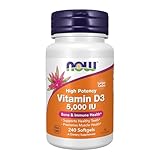
- HIGH POTENCY/SUNSHINE VITAMIN: Highly-absorbable liquid softgel form of vitamin D3
- VITAMIN D: Supports healthy immune system function and is essential for achieving and maintaining optimal bone mineral density*
- CERTIFICATIONS/CLASSIFICATIONS: Corn Free, Dairy Free, Egg Free, Halal, Kosher Contains Gelatin, Made without Gluten, Non-GMO, Soy Free
- GMP Quality Assured: A-rated, third-party certification means that every aspect of the NOW manufacturing process has been examined. Our in-house laboratories are ISO/IEC accredited for laboratory testing including for stability, potency and product formulation.
- Founded in 1968 by Elwood Richard, NOW is one of the largest independent, family- and employee-owned manufacturers of natural products

Last update on 2026-10-18 / Affiliate links / Images from Amazon Product Advertising API
6. Probiotics: Supporting Gut Health
Probiotics are often referred to as “good bacteria,” since they can restore balance to your gut microbiome. A balanced gut flora is essential for proper digestion, immune defense, and even plays a role in mood.
Men can reap the benefits of strains such as Lactobacillus rhamnosus and Bifidobacterium lactis, which are associated with improved digestion and reduced bloating.
Yogurt, kefir, and sauerkraut are examples of probiotic-rich foods.
For a more targeted approach, probiotics containing at least 10 billion CFU (colony-forming units) from multiple strains are most effective.
Choose brands that use transparent labeling, third-party testing for efficacy, and refrigeration when appropriate.
Supplementing with a daily probiotic and incorporating prebiotic-rich foods like onions and bananas can help keep gut health in check.
7. Creatine: Performance Edge (If Active)
Creatine improves your muscles’ ability to perform more work and recover efficiently in between bouts of activity. It’s one of the most widely studied and safest supplements for healthy men, particularly for those who lift and do resistance training or play sports.
3 to 5 grams per day is sufficient for most, and large “loading” doses are unnecessary. It’s important to stay hydrated, as creatine pulls water into muscle cells.
Most guys will experience improved strength, increased energy for explosive activity, and quicker muscle recovery.
Creatine monohydrate is the form used in the majority of the research, and it’s the most affordable and effective option.
8. Saw Palmetto: Prostate Health Focus
Saw palmetto, a plant extract, is known for supporting prostate health. This is a huge issue among aging men. Research finds that it helps relieve symptoms of an enlarged prostate, such as the urge to urinate frequently.
Common doses of saw palmetto range from 160 to 320 mg daily. Side effects are uncommon but may include mild gastrointestinal distress.
Other studies have found no positive effects.
When combined with other effective treatments, most men agree that saw palmetto plays an important role in prostate support. Products should be standardized for fatty acids and third-party tested for purity.
Supplements Targeting Specific Male Issues
Men’s health supplements often focus on issues that men frequently face. They’re geared toward building greater muscle mass, promoting cardiovascular wellness, and helping the body adapt to stress.
U.S. Men are frequent consumers of such products, as one example, given the relatively high rates of prostate cancer in the U.S.
Millions of Americans are looking to get an edge with the help of supplements. It’s important to select the best ones and to use them for the right purposes.
Working with a healthcare professional can help you determine which supplements will be most beneficial to your unique health needs. This partnership protects you from other dangerous side effects.
Supporting Healthy Testosterone Levels
Testosterone is critical to maintaining muscle, mood, and energy. As men age, testosterone levels naturally decline, which can result in fatigue or decreased motivation. Many people look to zinc, vitamin D, and fenugreek to increase testosterone levels, but studies show inconsistent results.
Sleep, reduced stress, and regular exercise are key factors. Measuring testosterone levels with blood tests provides a better idea of what’s going on before beginning any oral supplements.
Aiding Long-Term Heart Health
Supporting Long-Term Cardiovascular Health is important, as heart disease affects 1 in 5 men. Fish oil, especially for its omega-3s, and CoQ10 are common choices.
These can be beneficial by reducing harmful lipid levels in the bloodstream.
Not even the best multivitamin can replace the need for a healthy diet or the dangers of smoking. Whole foods and daily physical activity have greater benefits for long-term heart health.
Regular visits to a physician help monitor blood pressure and cholesterol levels.
Speeding Up Workout Recovery
When muscle repair is boosted after exercise, recovery time is reduced. Protein powders, BCAAs, and magnesium are popular options. Protein builds muscle, and BCAAs can reduce sore muscles.
Stretching, sleep, and rest days are the biggest contributors to recovery, much more than any individual product.
Managing Daily Stress Better
Daily stress can take a toll on anyone.
Many men find ashwagandha or magnesium helpful to calm their nerves. Just speaking to someone can make a world of difference.
Breathwork and unplugging from technology happen to deliver these same benefits, if not more.
Enhancing Male Vitality
These kinds of energy and drive really improve quality of life. Vitamin B12 and ginseng booster shots are nice, but the secret to day-to-day vigor lies in sleep, wholesome food, and regular movement.
Supplements should play only a minor role in a broader wellness strategy.
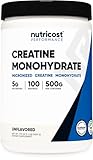
- High Quality Micronized Creatine Monohydrate
- Get The Strength and Endurance You’ve Been Working For
- 500 Grams of Creatine Monohydrate Per Bottle
- 5 Grams Per Serving (Scoop Included)
- Our Creatine Monohydrate provides you with an ultra premium quality product. Our customers love this pre and post-workout supplement as much as we do.
Last update on 2026-10-18 / Affiliate links / Images from Amazon Product Advertising API
How to Pick Quality Supplements

Choosing the right men’s health supplements may seem simple, but hidden risks and bold claims make it hard to know what works.
It’s no wonder that the shelves are stocked with a confusing array of products. They don’t all adhere to the same rigorous standards or produce products of the same quality.
To identify quality products, you have to be able to recognize them.
Knowing how to read a label and figure out what works best for you is key. Learn the truth about third-party testing, ingredient sourcing, and proprietary blends.
Having this knowledge will give you the power to choose supplements that are safe, effective, and designed for your individual goals.
Decode Supplement Labels Effectively
Our first step is to read the label critically.
What are all the active ingredients listed, what is the serving size, and how much of each nutrient is in the serving? This will give you a better idea of what you’re really getting.
Look for the general names of vitamins and minerals, as well as their specific forms. For instance, choose vitamin D3 instead of simply ‘vitamin D’, since some forms are more bioavailable than others.
Look for the “other ingredients” list. It’s common for lower-quality products to contain fillers, artificial dyes, or binders that provide no health benefit.
If you find a long list of chemical-sounding ingredients, that’s your cue to find a better product.
Remember to look for the country of origin as well. Quality U.S.-made supplements adhere closely to FDA regulations.
The same is not true for products made in other countries, where regulations are minimal, allowing toxic ingredients and poor quality controls to pervade processes.
Serving size and dosage are important considerations. Other brands often intentionally use very small serving sizes to inflate their product’s potency.
Look at the dosage, compare it to the recommended daily amount, and consider the Tolerable Upper Intake Level (UL).
Too much of certain nutrients—especially vitamins A, D, and E—can cause side effects like heart rhythm problems or even organ damage.
When it comes to specific groups, such as pregnant women or seniors, additional caution should be exercised to mitigate risks.
Importance of Third-Party Testing Seals
Third-party testing is an easy way to look for safety and quality. When you see seals from groups like NSF International, USP (U.S. Pharmacopeia), or ConsumerLab, it means the product’s contents and potency have been checked by an outside lab.
These groups are known for their high standards, rigorously testing to ensure that what’s on the label is actually what’s in the bottle. They also evaluate the harmful levels of contaminants.
Supplements with these seals increase your confidence. You can feel assured that they have been tested beyond the manufacturer’s word.
Batch-to-batch testing ensures each bottle is consistent, so you aren’t getting one quality product and a different one the next time you order.
If you don’t see a seal or any reference to third-party testing, that’s your cue to be careful.
Match Supplements to Your Lifestyle
One-size-fits-all doesn’t work with supplements. The right type for you really hinges on your diet, lifestyle, age, and health goals.
A college athlete might need more magnesium or protein, while someone working a desk job may look for vitamin D or omega-3s.
Individuals with allergies or food intolerances should look for allergens, such as soy or gluten, in the other ingredients. Consider your unique health plan. If you’re eating a healthy diet, you probably only need a few select nutrients.
For instance, vegans should plan to supplement with vitamin B12, and people who don’t get much sun should look into vitamin D supplementation.
Supplements should be an addition to, not a substitution for, whole foods.
If you have specific circumstances such as being a new parent, an older adult, or someone with chronic health conditions, talk to a healthcare professional. That’s a great decision for your health.
Natural vs. Synthetic Forms
Supplements can be found in natural and synthetic forms. Natural forms are usually more similar to what’s in food, which may allow the body to utilize them more efficiently.
One example is that vitamin E from natural sources is more bioavailable than the synthetic form.
Not all synthetic forms are bad – some are pure, well-absorbed forms. It’s always nice to be able to read the label and know what type you’re getting.
For some, natural ingredients are a matter of peace of mind; for others, the synthetic version that has been used and tested is acceptable.
The bottom line is choosing whatever form is most appropriate for your health goals and your body’s needs.
Spotting Overblown Marketing Claims
We know that the supplement world is rife with overblown marketing claims. Be wary of wild claims that a product will “cure” serious diseases or provide immediate benefits.
Terms such as “miracle,” “revolutionary,” or “doctor-recommended” are huge red flags for marketing, not scientific fact.
Trustworthy supplements avoid overblown hype and focus on the information. Look for real scientific support. Reputable brands will have studies readily available, or at least reference them by citing a clinical trial.
If the claims sound unreal, they probably are—be skeptical! If the company can’t, or if they’re vague in their responses, that’s another red flag to watch for.
Understanding Quality Control Standards
Quality control disciplines like these are adhered to by quality brands at every stage—from sourcing raw materials to the final retail package. In the U.S., the FDA enforces Good Manufacturing Practices (GMPs), which govern everything from facility cleanliness to ingredient testing to record-keeping.
Top brands don’t stop at the basics; they implement additional internal checks and outside audits. Seek out brands that are transparent about their quality control standards.
They might provide their batch numbers, lab results, or even more detailed sourcing information. This demonstrates their commitment to consumer safety and product consistency.

- Full spectrum 5-in-1 digestive enzyme, prebiotic, probiotic, postbiotic, and fiber complex, 240 veggie capsules that offer 120 servings per bottle with maximum potency 200 billion CFU (colony forming units).
- Each serving delivers 40 strains that contain 450mg of probiotics and postbiotics, 150mg of prebiotics, and 50mg of enzymes.
- Designed for both women and men, this balanced blend combines multiple symbiotic forms with enzyme and fiber components for a well-rounded daily formula.
- A thoughtfully crafted mix featuring psyllium husk, acacia senegal fiber, bromelain, papain, and more, combining a broad range of naturally sourced ingredients.
- Authentic non-GMO supplement. Contains pure ingredients free of soy, dairy, gluten, wheat, eggs, fish, shellfish, peanuts, and tree nuts. All products are also 3rd party lab tested for safety and potency.
Last update on 2026-10-18 / Affiliate links / Images from Amazon Product Advertising API
Using Supplements Safely and Smartly
Men’s health supplements can help fill the gaps in a balanced diet, but using them wisely takes more than just picking a bottle off the shelf. With so many options available, knowing how to use them safely and smartly is essential.
Reading the label is a great place to start—identify the ingredients, potential drug interactions, and the percent daily value (%DV). Third-party testing—such as NSF Certified for Sport or USP Verified—ensures quality and safety.
Watch out for supplements that make bold claims that they “cure” or “treat” diseases. Not only are these statements often illegal, but they can also result in false and misleading advertising.
Always Consult Your Doctor First
Your doctor is familiar with your overall health history and may be better able to identify risks that you are unaware of. Other supplements, such as vitamin K or St. John’s Wort, may interact with everyday medications.
Your physician can help you select the appropriate dose and form of the drug. Doing so makes sure you get exactly what you need—nothing more, nothing less.
Having open conversations with your healthcare provider ensures that any changes in your health can be closely and effectively monitored.
Start with Lower Doses
Taking the plunge with higher doses can lead to unwanted side effects. Start with lower doses and monitor how your body reacts.
If things are okay, then you can raise the dose gradually. Look for signs like headache, stomach upset, or mood changes. Keep a symptom journal to log changes and improvements.
Best Timing for Different Supplements
Timing: Certain supplements have optimal times to take them and may need to be taken with certain meals. For example, vitamin D and omega-3s are better absorbed with fat, but iron is better absorbed on an empty stomach.
Being consistent with a routine will not only help you remember to take them but also help keep your levels steadier.
Watch for Potential Interactions
Some supplements interact with medications, food, or medical conditions. Calcium and certain antibiotics, like tetracycline, should not be taken at the same time.
Keep your physician informed. Make sure to tell your physician all the supplements you are taking. Stay informed of safety updates as new studies are released.
Pay Attention to Your Body
If you start a new supplement, take note of any changes for better or worse. Change your dose or discontinue if you start to feel unwell.
Keeping a straightforward journal goes a long way towards identifying patterns and keeping your physician informed.
Supplements Work Best With Healthy Habits
Supplements by themselves will not create true health. They work vastly better in tandem with a larger strategy that includes nutrition, physical activity, sleep, and stress management.
A holistic approach balances the body and allows each component to perform its respective task.
Healthy habits provide a strong foundation, and supplements are there to help pick up the slack – as needed.
Diet Is Your Primary Fuel
A balanced, healthy diet is at the center of good health. Whole foods—such as lean meats, beans, whole grains, fruits, and vegetables—are loaded with vitamins, minerals, fiber, and other plant compounds your body craves.
For instance, spinach provides iron, and salmon provides omega-3 fatty acids. Eating a diverse selection of these foods reduces the risk of conditions such as heart disease or diabetes.
Supplements can be beneficial in the case of nutrient deficiency, but they cannot replace the benefits of whole foods.
Check the label and look for at least 100% of the DV for these nutrients. Others might not need them as much if they’re eating a well-rounded diet.
Exercise: The Essential Complement
When it comes to moving your body, the rewards can be substantial. Exercise is a powerful and effective medicine.
Exercise strengthens muscles, supports healthy body weight, and clears the brain fog. It also increases your body’s ability to use nutrients from food and supplements.
Whether you run, bike, or take brisk walks, it all adds up! The best solution is to choose activities you enjoy and are likely to continue.
Prioritize Quality Sleep Always
Deep sleep provides your body the time necessary to repair itself. It allows muscles to repair and hormones to regulate, enhancing the effect of all those hard-working supplements.
A regular bedtime and avoiding screens in the evening will improve your sleep quality.
Manage Stress for Overall Wellness
Stress does a number on both the mind and body. Excessive stress may impair your body’s ability to utilize supplements.
Breathing exercises, yoga, or regular breaks every day are great ways to manage stress. Mental health is just as important as diet and exercise.
Busting Common Supplement Misconceptions
Men’s health supplements are a billion-dollar industry, but plenty of misconceptions continue to influence consumer use.
With so many brands, claims, and products available, it can be overwhelming and easy to fall prey to fads or false claims.
Separating out supplement fact from fiction is important. Getting it wrong can lead to lost health improvements, squandered dollars, or worse.
Understanding how supplements fit into a broader health plan and why education matters gives people the tools to make smarter choices.
Critical thinking should be your best friend whenever you’re faced with a big claim or flashy advertisement.
Fallacy: More Supplements Equal More Health
It’s better to take more supplements than fewer. This is a common, dangerous misconception. Excess often does more harm than good.
For instance, many believe that piling on creatine or protein powders will help them build muscle faster. Without adequate food or calories, no supplement—no matter how superior—will succeed.
This is important to note because research has shown that daily creatine needs are met with a consistent 5 grams—not megadoses. Balance and moderation allow the body to utilize nutrients most efficiently.
Prioritizing quality products complements your overall health plan. A smart, holistic approach goes beyond supplements to a varied diet, plenty of sleep, and daily physical activity.
Fallacy: Pills Can Replace Real Food
People like quick fixes, and supplements can’t replicate all of the nutrients found in foods. Whole foods provide fiber, vitamins, and other health benefits that pills can’t replicate.
For example, athletes focused on muscle gain need to consume additional calories, not just supplement with more pills. Collagen vs whey protein – Which is better?
A varied, well-rounded, nutrient-dense diet should be the primary source, with supplements playing a supportive role.
Fallacy: All Supplement Brands Are Similar
Not all supplement brands are alike when it comes to safety, purity, and transparency. Others take shortcuts or make outrageous claims with no basis in fact.
Doing a bit of research, like checking a company’s track record, verifying third-party testing, and examining labels, can go a long way. When we choose brands that are open about their manufacturing processes and product testing, we make safer, smarter choices.
Fallacy: “Natural” Always Means Safe
“Natural” means safe. Natural doesn’t always mean safe or effective. In fact, many “natural” supplements interact with prescription medications or have dangerous side effects.
Quality control is an issue for all dietary supplements—not only the synthetic ones. As always, question everything!
Considerations: Before trying any new supplements, particularly herbal blends, vitamin D, or omega-3s, to accelerate injury recovery, talk to your doctor.
Our Conclusion
Men’s health supplements received plenty of excitement, but the truth remains obscured. Smart use starts with knowing the basics: check labels, trust your source, and stick to what works for your needs.
There’s no pill that can take the place of sleep, real food or a nice walk after work. Consider supplements as a second line of defense, not the main strategy.
For instance, vitamin D can be helpful if you work night shifts. Fish oil is a good substitute if you don’t eat fish for dinner.
So keep it simple, and don’t be lured in by outrageous promises.
Discuss any changes with your doctor before you make them.
Want to learn more real talk and simple hacks? Continue to look beyond the hype and improve your well-being with healthier options.

- Trusted: Thorne is trusted by 100+ professional sports teams and the #1 most recommended clinical brand by consumers and health-care practitioners (Based on a 2026 independent survey of US supplement consumers and health-care practitioners)
Last update on 2026-10-18 / Affiliate links / Images from Amazon Product Advertising API
Frequently Asked Questions
What are the best supplements for men’s health?
The best supplements for men: Vitamin D, Magnesium, Omega-3s, and a good multivitamin
These ingredients work together to fill common nutritional gaps and promote overall wellness.
Do men’s supplements really work?
Supplements are only beneficial in cases of nutrient deficiency or specific targeted health needs. They’re most effective when used in conjunction with a balanced diet and active lifestyle.
Are supplements safe for men to take daily?
As a general rule of thumb, supplements are safe when taken as directed. Purchase from trusted brands. Stay safe by discussing your plan to take new supplements with your physician—particularly if you take prescription drugs or have preexisting conditions.
How do I choose a high-quality supplement?
Choose brands that are third-party tested, clearly label their ingredients, and don’t use unnecessary fillers. Look for items produced in the United States, where manufacturing practices would be subject to more robust quality assurance.
Can supplements help with low testosterone?
Other products, such as zinc and vitamin D, can help maintain normal testosterone levels. Individual results may vary, and it’s important to consult your healthcare provider before beginning any new supplement regimen.
Should young men take health supplements?
Keeping a varied diet rich in nutrients means you likely won’t need to supplement. For some of us—if you have dietary gaps or greater needs—supplements can safely fill them.
Can supplements replace healthy eating and exercise?
No. Supplements can’t replace a healthy diet and exercise. Instead, they work best as a piece of the overall puzzle that includes a balanced, active lifestyle.



3 Comments