
Tai Chi in Nature: How Gentle Movements Reconnect Body, Breath, and the Outdoors
Our Observations
- Tai chi combines martial arts with mindfulness and meditation. It uses gentle, flowing techniques to promote the physical and mental health of members of diverse communities.
- Regular practice of tai chi is known to improve overall balance and flexibility. It lowers fall risk, an important protective factor particularly for seniors and individuals with chronic conditions.
- The core principles of harmony, balance, and the connection of body, mind, and spirit can be applied in daily life to improve emotional health and resilience.
- Tai chi fosters a sense of community and teamwork, while providing opportunities for self-reflection and personal growth through mindful practice.
- Breath control and focusing on the important movements help develop the meditative aspect of tai chi. This practice is easy, convenient, and can be modified for ANY fitness level!
- Continuous learning, whether through qualified instructors, supportive classes, or trusted resources, helps practitioners integrate tai chi into a holistic wellness journey.
Last update on 2026-10-25 / Affiliate links / Images from Amazon Product Advertising API
Tai chi is an ancient Chinese mind-body practice that has become popular worldwide. It combines graceful, fluid movements with deep breathing and an overall sense of peaceful concentration.
Millions of people practice tai chi to improve balance, reduce stress, and gain strength through graceful, low-impact movement.
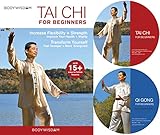
Each movement transitions fluidly to the next. This numbered series of videos takes the intimidation out of tai chi for dummies, for both novices and experienced users.
Research demonstrates that tai chi reduces joint pain from arthritis, improves sleep quality, and boosts mood, attracting a diverse range of practitioners from all walks of life.
All you need is comfortable, loose clothing and a calm environment to begin. This perfect combination means that tai chi is simple to incorporate into even the busiest lifestyle!
Discover the steps, tips, and frequently used forms that make tai chi tailored to fit your needs.
What is Tai Chi’s Essence?

Tai chi is one of the most popular martial arts in the world and is often referred to as a moving meditation.
It distinguishes itself from other disciplines through its unique combination of breath-focused attention, flowing movement, and rich awareness.
While many Americans now turn to tai chi for strength and serenity, the practice’s origins stretch far deeper.
Whatever your motivation, at the heart of tai chi is a practice that teaches you to move intentionally and mindfully. Every movement, rotation, and inhale, deliberate and purposeful.
This gentle pace allows individuals to connect with and take charge of their bodies and minds. It carves out a space between millennia-old traditions and today’s wellness seekers.
More Than Just Slow Moves
Indeed, fluid, smooth motion is the essence of tai chi. More than just slow moves on display, every movement connects to the one before it, creating concentration and mindfulness.
In the process, you become aware of the movement of your weight.
You can inhale and exhale to assist each action, and your physique feels stable—nearly as if it’s been “rooted like a tree.” It’s not about going faster—it’s about going with consistent control of your body and balance.
This intentional, mindful approach to movement is a great way for humans to reconnect with their bodies. They learn to react with more finesse and accuracy.
Ancient Roots, Modern Flow
Tai chi’s roots trace back to ancient China as a martial art, influenced by Taoist and Confucian philosophies.
Over the years, this art of defense evolved into a vigorous spiritual discipline. Today, millions of people around the globe practice it to promote health and well-being.
Its teachings go beyond cultural heritage, blending ancient principles with modern methods of self-care and body mechanics.
Core Beliefs: Harmony and Balance
Harmony and balance are key elements of tai chi. The practice empowers you to really experience what’s going on inside of you. You are moving in harmony and balance with the wind or the earth.
These concepts inform everyday living, providing skills for managing anxiety and achieving contentment.
How Tai Chi Weaves Connection

It combines movement, breath, and mindful intention into a single meditative practice known as tai chi. Deeply rooted in traditional Chinese medicine and martial arts, it has evolved over hundreds of years.
Its foundation in yin-yang and Five Elements theory informs each step and breath, showcasing how tai chi practices weave connection—within ourselves, to the earth, and with each other.
1. Tuning Into Your Inner Self
Tai chi begins with a process of self-reflection. The slow, flowing moves and steady breath help you notice small shifts in your body and mood. Soon, you’ll find it easier to read your own emotions.
This mindful awareness is so powerful that it helps you respond to situations in a more collected, stable manner. Research confirms that tai chi is an effective practice for lowering stress and anxiety, helping you better cope with the everyday highs and lows of life.
2. Grounding: Your Earth Anchor
Grounding is the sensation of being solid and centered. In tai chi, you root your feet into the earth and lower your center of mass. This posture, rooted in martial arts traditions, provides a grounding stability.
Exercises such as “rooting” direct your attention, prevent your energy from dissipating, and provide a genuine sense of groundedness.
3. Feeling “Peng” Energy Flow
Peng is an energy that we try to cultivate in tai chi practice. It’s not muscular, but elastic and vibrant—imagine the soft rebound when you push down on a balloon.
Students learn to cultivate this energy through alignment and loose, natural motion, benefiting their self-defense and well-being.
4. Syncing with Nature’s Pulse
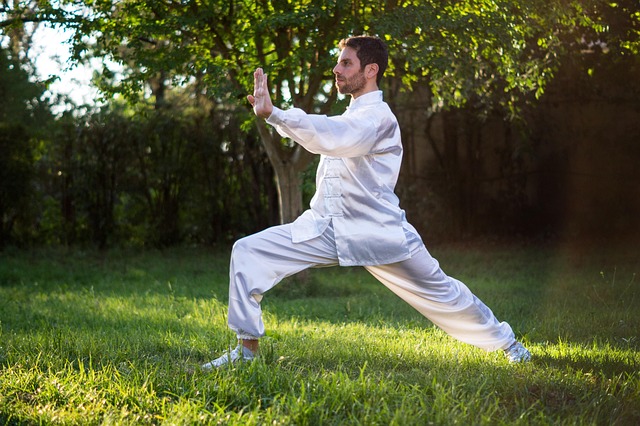
Tai chi’s flowing moves create deeper connections with the natural world—we imitate wind and water. Most of them practice outdoors—in parks or gardens—connecting them with the energy and beauty of nature.
This rhythm connects you to everything outside of you, reflecting harmonious Taoist and Confucian philosophies that have existed for millennia.
5. Building Bonds with Others
Another reason is that tai chi is usually practiced in groups. Practicing alongside other people fosters trust and a sense of community.
Friendships emerge as students share their progress and encourage each other to do their best, making each class about more than just physical exercise.

- Tai Chi exercise DVD series, perfect for seniors and beginners
- Tai Chi DVD plays worldwide, All Regions / Region Free / Region 0
- Bestsell-er. David-Dorian Ross is America’s favorite Tai Chi teacher
- 40-MINUTE FOLLOW-ALONG ROUTINE: Designed specifically for adults over 60, no experience or equipment needed
- IMPROVES BALANCE AND BONE DENSITY: Gentle, low-impact movements help strengthen bones and reduce fall risk
Last update on 2026-10-25 / Affiliate links / Images from Amazon Product Advertising API
Unveiling Tai Chi’s Gentle Strength
Tai chi uniquely offers a low-impact exercise for all ages and abilities. Known for its slow, fluid movements, tai chi is known to increase strength and balance.
Unlike most forms of exercise, tai chi is easy on the joints and does not leave you panting.
Plus, it’s a full-body workout that improves cardiovascular fitness! Once a province of exotic martial arts with roots in centuries-old Chinese tradition, tai chi is now widely regarded as a practice that can foster lifelong wellness.
Better Balance, Fewer Falls
Tai chi’s slow, deliberate steps and weight shifts improve the body’s proprioception—the sense of where the body is in space. Research has found that practicing tai chi consistently significantly lowers one of the biggest concerns for older adults—falls.
The slow, controlled moves improve leg strength and stabilize the body, similar to resistance exercise or fast-paced walking. Tai chi really is an intelligent exercise option, no matter your age!
It’s proving particularly beneficial for seniors, allowing them to maintain mobility safely.
Easing Chronic Condition Burdens
Those suffering from chronic conditions such as arthritis or fibromyalgia flock to tai chi. Those movements are so soft, they don’t jolt the joints—yet, they maintain their mobility and flexibility.
Thousands of practitioners around the world testify to reduced pain and stiffness with regular practice. Others post these encouraging stories about walking or riding with less fear or pain.
Aging with Vitality and Grace
Made with Tai Chi Support Aging Well. Tai chi is gentle yet powerful. Tai chi strengthens muscles and loosens joints, keeping older adults active and independent.
With enough time and consistent practice, one can improve one’s sense of liveliness and comfort within one’s own body.
Sharpening Mind, Lifting Mood
Each class emphasizes breath and movement. This meditative movement can help focus the mind, reduce tension, and improve mental health.
Many people report feeling calmer and more “present” immediately following a class.
Building Stronger Bones Naturally
Tai chi is more than just a practice for relaxation and mindfulness. Tai Chi’s gentle weight shifts put bones to work, actively building bone strength.
This proactive approach can go a long way in preventing osteoporosis—clearly a wise investment for anyone interested in long-term skeletal health.
Gentle Yet Powerful for All
What’s beautiful about tai chi—as with any creative art form—is that it can be adaptable. Because moves can be easily modified to meet a wide variety of needs, people of all ages and fitness levels can participate and enjoy the gentle yet powerful benefits.
This makes tai chi a remarkably inclusive, approachable, and welcoming avenue to improved health.
Decoding Tai Chi’s Gentle Flow
What makes tai chi unique among movement practices is its slow, soft, flowing movements. This smooth, calming movement is the essence of tai chi, and the practice is often described by this experience. Developing physical balance, mental calm, and concentration is the goal of each movement.
Tai chi originated in ancient China. It combines martial arts principles with Qigong concepts, focusing on the key principle of yin and yang—balance of opposites.
This fluidity is like water, calming and continuous, allowing the body and soul to experience freedom from strain and worry.
Practitioners decode these flows for much more than peace of mind.
Along the way, they increase their balance, flexibility, and overall sense of being grounded in day-to-day life.
Key Movements and Their Meanings
- Grasp the Bird’s Tail: Symbolizes yielding and redirecting force.
- Wave Hands Like Clouds: Builds coordination, represents smooth transitions.
- Parting the Wild Horse’s Mane: Focuses on opening and welcoming energy.
- Repulse Monkey: Trains stepping back and awareness of space.
- Single Whip: Stresses open posture and flexibility.
Mastering these tai chi movements involves understanding how each contributes to strength, posture, and inner calm.
Gradually, they create the foundation of a consistent tai chi practice, where each movement aligns seamlessly with the one before it.
Breath: The Unseen Partner
Breath becomes the invisible partner that guides the speed and overall serenity of tai chi. Deep, rhythmic breathing accompanies every flow, allowing the body and the mind to relax and focus.
Most practice abdominal breathing—drawing the air deep and slow—as they go, linking breath and body for total concentration.
Meditation in Motion Explained
Tai chi has long been known as “meditation in motion.” It’s about walking in attention, every movement and inhale deepening perception.
This moving meditation alleviates tension, increases awareness, and allows thousands to experience the world as it is.
Exploring Different Styles Briefly
| Style | Key Traits | Best For |
|---|---|---|
| Yang | Large, open, steady moves | Beginners, stress relief |
| Chen | Spirals, slow and quick mix | Martial roots, strength |
| Wu | Small, gentle, close posture | Subtle flow, joint health |
| Sun | High stance, lively steps | Seniors, easy movement |
Whatever your needs or tastes, there is a style that’s stronger in some areas than in others.
Embarking on Your Tai Chi Path
Getting begun with tai chi is simple and accommodating to all ages and lifestyles.
Originating in ancient China as a martial art, tai chi practices have evolved into a holistic approach to health and relaxation. Today, practitioners from various cultures utilize tai chi movements to maintain their physical health and achieve a meditative state of inner peace.
You can start your tai chi journey just about anywhere—at home, in parks, or at a studio. The financial investment is minimal, requiring only a small amount of time and space.
Engaging in regular tai chi practices for just 10 to 15 minutes a day is a great way to establish a consistent routine.
Most people discover that 15 to 20 minutes first thing in the morning or right before bedtime works best for their schedules.
Whether you’re a beginner or have experience, joining a tai chi class or group helps provide numerous benefits.
Having a strong, supportive community motivates you and clarifies the tai chi form, ensuring that everyone, regardless of age or ability, can participate actively.
Find Your Ideal Teacher
Find a teacher with good credentials who fits your learning style. Some teachers will be more health-oriented and others more martial-oriented.
As a best practice, take a class or watch a class before enrolling to see if the teacher’s style is a good fit for you.
A great mentor will challenge you to grow. They provide straightforward guidance and teach you to navigate obstacles at your own speed.


Last update on 2026-10-25 / Affiliate links / Images from Amazon Product Advertising API
Choose the Right Class Vibe
The overall mood of the tai chi class is important. Some sessions are peaceful and meditative, while others are energetic and social. Look for a program that matches your intentions—whether you seek stress relief, fitness, or a deeper study of tai chi practices.
Valuable Resources to Explore
- “The Harvard Medical School Guide to Tai Chi”
- “Tai Chi for Beginners” (DVD, Paul Lam)
- Tai Chi Master YouTube channel
- tai chi basics.com
Learning never ends, especially through tai chi practices as you continue your journey.
Learning: Traditional vs. Digital
In-person tai chi classes offer real-time guidance from the teacher and foster a community of practice, while online options offer the flexibility to watch videos, join digital groups, or stream live tai chi sessions.
Most participants find that a combination of the two yields optimal results.
Living Tai Chi Beyond Class

Tai chi is not just a physical practice in the studio. For most people, its greatest gift lies in applying its principles—balance, calm, harmony—to everyday life.
This is a smart, fairly comprehensive approach that, if enacted, could bring about tangible and long-term benefits.
Research has demonstrated the effectiveness of tai chi in improving movement quality. In addition to these benefits, it alleviates pain, particularly among people with osteoarthritis or other chronic health ailments.
Many tai chi practitioners notice their mood improving after having done tai chi. As they learn to manage the stresses of each day, their stress levels decrease.
Daily Mindfulness Through Tai Chi
Making tai chi a part of your daily life is simple—as long as you know how! It only takes five minutes in the morning or before bed to run through the simple forms.
She encourages attention to breath and movement in a new way.
Using this simple mindful pause can really help ground you and create a more peaceful start to your day or evening routine. Just a few minutes, even as little as ten, can leave you feeling more centered and focused.
For those with busy schedules, weaving tai chi principles into daily tasks, such as walking or standing, can help keep the practice going outside formal sessions.
Tai Chi in Modern Wellness
What was once esoteric has become mainstream—today, most health systems and rehab clinics employ tai chi. Its low-impact nature makes it accessible to people of all ages and backgrounds.
For those in physical recovery or living with pain, tai chi can provide essential benefits, improving both emotional and physical well-being.
Tai chi seamlessly integrates low-impact, moderate-intensity physical activity with a mind-body practice. This serves as a remarkable gateway to whole-body wellness—physical, mental, emotional, and even spiritual.
Clearing Common Misconceptions
Many believe that tai chi is not physically demanding because it is slow, or that it is only for older adults. In actuality, it accommodates participants of all abilities, benefits all stages of adult life, and nourishes both mind and body.
With its unique blend of movement, breathing, and mental concentration, it has proven to be an effective practice throughout the ages.
If we let it, Tai Chi can reshape our perception of exercise and self-care in general.
Our Conclusion
Tai chi’s grounded, down-to-earth approach is just what the doctor ordered. Each movement reflects intense discipline and consideration, an artistry in purpose.
Whether in bustling metropolises or rural communities, people have discovered that making room to live with intent makes all the difference.
Whether you’re an older adult, a young student, or anyone in between—tai chi provides just what you need!
Experienced instructors take it slow, teaching one step at a time, so you develop calm confidence. Friends get together in parks, exchange tips, and chuckle at the hilarity of fumbled steps.
Muscles become powerful, joints remain flexible, and the mind rests. To experience real change for yourself, take a class, join a group, or simply start practicing in your home.
Take a pic and celebrate your first steps—because someone out there is just taking their first step.
Make it fun, easy, convenient, seamless, and cool.

- Dr. Paul Lam
- Tai Chi
- Beginners Tai Chi
- Exercise
- Better Health
Last update on 2026-10-25 / Affiliate links / Images from Amazon Product Advertising API
Frequently Asked Questions
What is Tai Chi?
Tai Chi is a graceful, low-impact martial art developed in China that encompasses various styles. It brings together slow, fluid movements, controlled breath, and mental awareness, promoting better balance, strength, and relaxation.
Who can practice Tai Chi?
Whether you’re an absolute beginner, a child or senior, or in fantastic shape, tai chi practices are for everyone! This gentle exercise is low-impact and can be customized to suit different participants.
How does Tai Chi benefit health?
Regular practice of tai chi forms significantly increases balance, flexibility, and muscle strength, benefits that are particularly important in fall prevention. Additionally, tai chi sessions alleviate stress and foster positive mental health.
Do I need special equipment for Tai Chi?
To get started with tai chi practice, all you need is comfortable clothing and a flat, open space for your sessions.
How often should I practice Tai Chi?
Even engaging in regular tai chi practices just two to three times a week can still deliver impressive benefits. The more frequently you participate in tai chi sessions, the sooner you will notice results.
Can Tai Chi help with stress?
Can Tai Chi practices really reduce stress? Its flowing movements and deep breathing create a calming effect on both the body and mind.
Is Tai Chi only for physical benefits?
Is tai chi only for physical benefits? Regular tai chi practice cultivates mindfulness and fosters a deep sense of tranquility.


10 Comments