

Beyond Light: Discover the Incredible Health Benefits of Sun Exposure
Key Points
- There’s more to the sun than warmth — it governs biological clocks, plays a vital role in vitamin D synthesis, and has even influenced genetic adaptation in populations worldwide.
- Natural light exposure is a great antidepressant, because it alleviates pain, boosts fat metabolism, and normalizes sleep rhythms — supporting not only physical but mental health.
- Melanin in human skin provides a natural UV shield and is crucial for optimal vitamin D synthesis, underscoring the adaptive significance of skin color variation throughout our evolution.
- The true power of sunlight, both visible and invisible, influences mood, energy, and cognitive abilities, and it’s so important to spend time in nature under natural light instead of artificial light.
- Sunlight is essential for environmental health, fueling photosynthesis, fostering biodiversity, and maintaining ecosystems that sustain life and regulate the climate.
- For optimal health benefits, engage in safe, intentional sun exposure, balance outdoor time with protection, and explore cutting-edge applications of solar energy in wellness and medicine.
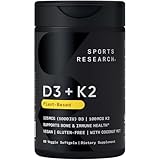
- D3 + K2 – TEAMWORK THAT MATTERS: Vitamins D3 and K2 work synergistically to support strong bones, immune health, and proper calcium metabolism.* D3 helps your body absorb calcium, while K2 (as MK-7) guides it to the bones where it belongs.* Together, they form a powerful combo for total-body wellness.*
- PLANT-BASED, VEGAN-FRIENDLY FORMULA: Our D3 + K2 supplement uses vegan D3 (cholecalciferol) sourced from lichen and K2 (MK-7) derived from fermented chickpeas, with coconut MCT oil added to support optimal nutrient absorption.* No animal ingredients, ever—just effective, science-backed support.*
- ONCE-A-DAY IMMUNE & BONE SUPPORT: Each easy-to-swallow softgel delivers 125 mcg (5000 IU) of vegan D3 and 100 mcg of K2 (MK-7)—the most bioavailable form of K2. Just one softgel per day helps promote bone health, immune support, and cardiovascular health in both women and men.*
- CERTIFIED CLEAN & QUALITY TESTED: Our vitamin D3 and K2 formula is Vegan Certified, Non-GMO Project Verified, and free of carrageenan, gluten, soy, and artificial fillers. Each batch is 3rd-party tested and manufactured in the USA in a cGMP-compliant facility—because your health deserves the highest standard.
- NUTRITION YOU CAN TRUST: At Sports Research, we craft supplements with ingredients you recognize and results you can feel. Our D3 + K2 softgels deliver plant-based purity, clinical strength, and real transparency, helping you live brighter every day—naturally.*
Last update on 2026-10-18 / Affiliate links / Images from Amazon Product Advertising API
The incredible benefits of sunlight you didn’t know about, from improving your mood to assisting your body in producing vitamin D.
Beyond the health effects you’ve heard about, sunlight can purify water, energize a home through solar panels, and even help plants communicate underground.
Its energy sculpts weather and nourishes life in straightforward but essential ways.
Let’s see how sunlight affects daily life and technology.
Beyond the Warmth
Sunlight is not just a heat source; it plays a crucial role in skin pigmentation and molds our bodies, minds, and history both literally and metaphorically.
Its reach is profound—from biology to culture, right down to the center of our skin cells.
- Sunlight helps your body produce vitamin D, necessary for strong bones and a robust immune system.
- Sunlight has been associated with better mood and a lower incidence of depression.
- Research discovers that sunlight can reduce blood pressure and stabilize sleep patterns.
- Sunlight may even ease pain: studies show that patients in sunnier hospital rooms often need less pain medicine.
- The Sun powers crops, water cycles, and the planet’s weather.
- Some research suggests that solar cycles affect lifespan.
- Sunlight contributes to gene regulation, controlling how some genes are activated or deactivated.
- Other cultures regard the Sun as a sign of life, warmth, and unity.
Our Solar Connection
The connection between human skin and sunlight is forged by evolution.
Where the sun was strong, humans developed darker skin to protect against UV. In less sunny places, lighter skin helps absorb more UV radiation to produce vitamin D.
Skin tone affects how efficiently the body produces vitamin D from sunlight. Darker skin blocks more UV radiation, so it takes longer in the sun to achieve the same health benefits as with lighter skin.
This implies that the appropriate amount of sunlight for health differs substantially from one individual to another.
Back in the day, we wandered the globe, braving a multitude of levels of sunlight. It was these moves that sculpted our bodies, from skin tone to the way sunlight is utilized.
Northern folks got used to weaker rays; equator-dwellers remained better shielded from fierce light.
Sunlight forms more than our skin—it forms our genes. For thousands of years, it has fueled adaptations in the ways our bodies process light, manufacture hormones, and combat illness.
Our common tale with the Sun is inscribed high in our DNA.
A Deeper Look
Which is just as well, since scientists keep discovering new ways sunlight helps the body heal. A little sunshine can speed healing in hospitals — patients require less pain meds post-surgery.
While some studies indicate that sunlight aids in mood and may even reduce the risk for chronic diseases, it also plays a role in skin pigmentation, particularly in how our skin produces melanin in response to sun exposure.
Sunlight modifies gene expression, governing the timing of some genes turning on, such as those that help produce vitamin D or maintain the body clock.
When they receive inadequate sunlight, these gene switches might not function as effectively, increasing the risk of certain diseases and skin cancers.
A lot of us are in the house a lot more these days. This may imply insufficient sunlight, causing vitamin D deficiencies, depression, and sleeping disorders.
Therefore, discovering safe sun protection strategies to soak up some sun is more crucial than ever.
Recent research reveals that sunlight might be more powerful than we ever imagined. It might aid with pain, determine lifespan, and maintain mental acuity.
The Sun’s corona, weirdly hotter than its surface, continues to puzzle scientists.
Once each magnetic cycle, the Sun’s poles trade places with its magnetic field, transforming space weather and, possibly, our own lives.
Sunlight’s Surprising Gifts

Sunlight does more than illuminate your day; it influences health on multiple levels, including skin pigmentation and vitamin D production.
New science links sunlight to surprising benefits for both body and mind.
- Could decrease pain and pain medication requirements in patients
- Supports healthy fat metabolism and body weight
- Could help regulate lifespan through genetic adaptations
- Increases alertness and productivity in the evening
- Possible conversion of sunlight to metabolic energy in humans
- May lower risk for autoimmune and cardiovascular diseases
- May help treat skin and immune conditions such as psoriasis and MS.
- UV light may rebalance immune system function

- Vitamin D3 Benefits: Supports healthy teeth and bones by enhancing the absorption of calcium; supports immune function and cardiovascular health*
- Optimal Absorption: Vitamin D3 (as cholecalciferol) is more potent and better absorbed than vitamin D2 (or ergocalciferol); research shows vitamin D3 is more effective at raising overall vitamin D levels*
- Vitamin D for Performance: Optimizes muscle strength and cellular repair, especially in athletes who train indoors or lack adequate sun exposure to support the body’s natural vitamin D production*
- NSF Certified for Sport: Tested for compliance with label claims and to ensure the absence of nearly 300 substances banned by many major athletic organizations
- Trusted: Thorne is trusted by 100+ professional sports teams and the #1 most recommended clinical brand by consumers and health-care practitioners (Based on a 2026 independent survey of US supplement consumers and health-care practitioners)
Last update on 2026-10-18 / Affiliate links / Images from Amazon Product Advertising API
1. Pain Relief
Sunlight may reduce your need for painkillers. Studies reveal that patients in sunny hospital rooms tend to take less painkillers after surgery.
The magic isn’t purely physical, though—sunlight’s ability to reduce stress can make pain seem less sharp. This helps humans cope with distress organically.
Even more interesting, folks who spend more time outdoors tend to feel better emotionally as well. The sunlight-induced psychological lift can relax tension and lift depression, both relevant to the experience of pain.
Some hospitals now build patient rooms with larger windows to let in more natural light.
Sunlight’s humble role as a pain-fighting ally is gaining notice among healthcare providers.
2. Fat Metabolism
Sunlight and fat burning! Getting regular sunlight, particularly UV exposure, can help your body burn fat more effectively.
Research indicates that sunlight promotes vitamin D synthesis, and vitamin D deficiency is associated with greater adiposity and weight-control issues.
In certain populations, elevated vitamin D levels are associated with reduced obesity. This connection is about more than weight.
Sunlight appears to promote a leaner physique by activating mechanisms in your body to utilize fat as fuel.
For nature lovers in need of weight management, daily sun exposure may be a great complement to a healthy lifestyle, as long as you’re sun-safe.
3. Lifespan Regulation
Extended sunlight and solar cycles might influence longevity.
Others suggest that individuals born in years of peak solar intensity experience shorter lifespans, potentially due to altered DNA repair or immune function.
Over a lifetime, sunlight can signal to our genes to adapt, helping the body respond to its environment.
A number of diseases, such as autoimmune and heart disease, display incidence patterns correlated to your distance from the equator.
This “latitude gradient” hints sunlight might sculpt disease risk through subtle genetic and immune impacts over generations.
4. Evening Alertness
Sufficient exposure to daylight makes you feel more alert in the evening.
Research with office workers and college students finds that increased daytime sunlight improves concentration and reduces nighttime drowsiness.
Sunlight wins over artificial light in helping your body’s internal clock. With more daylight, your productivity and mood can thrive–particularly in the winter or in areas where humans are hermits.
5. Metabolic Energy
Researchers are exploring if melanin, the pigment that colors skin, could assist in converting sunlight into cellular energy.
It’s an audacious hypothesis, and although humans don’t photosynthesize like plants, initial research suggests potential mechanisms through which our bodies might harness sunlight to more than just vitamin D.
This line of research is in its infancy, but the opportunity for light-powered energy in humans may pave the way for both improved health and novel therapies.

- FULL SPECTRUM DAYLIGHT LIGHTING: Designed to mimic natural daylight at 5000K, this full spectrum light bulbs solution delivers bright, balanced illumination. With 800 lumens output, it supports everyday indoor use where consistent lighting is needed for comfort.
- HIGH COLOR ACCURACY CRI 97: This full spectrum light bulb features a high CRI of 97, providing more accurate and vivid color rendering. Ideal for reading, working, and detailed tasks where clear and natural color appearance is important.
- DIMMABLE BRIGHTNESS: Adjust lighting easily with smooth dimming functionality. This full spectrum led bulb allows you to control brightness based on your activity, from focused work to relaxed settings throughout the day (with compatible dimmers).
- ENERGY EFFICIENT & EASY FIT: Consumes only 9W while delivering strong illumination. This sunlight bulb features a standard A19 shape with E26 base, fitting most lamps and fixtures. Helps reduce energy use while maintaining reliable brightness.
- DAYTIME LIGHTING & LONG LASTING USE: Built for long-term use, this 2-pack sun light bulbs offers up to a 12-year lifespan based on average daily use and is ideal for daytime indoor environments. Easily pair with NorbSLEEP or other Norb Wellness Lighting products for a more regulated sleep-wake cycle.
Last update on 2026-10-18 / Affiliate links / Images from Amazon Product Advertising API
Your Body’s Solar Code
Sunlight ignites intricate transformations in the body, from tanning to circadian rhythms.
These shifts are sculpted by the amount of sun exposure individuals receive, their location, and how their bodies absorb ultraviolet radiation.
Melanin, genetics, and the proper timing of sun exposure all determine how the sun affects wellness.
Melanin’s Purpose
Melanin is a pigment in skin, hair, and eyes. In people and other creatures, it functions as a natural sunscreen, absorbing and deflecting damaging UV rays.
This protects DNA and other cell components from damage that can cause cancer or cell death.
Outside the skin, melanin traps eyes and even some organs from oxidative stress. It influences brain function and the immune system’s ability to ward off invaders.
More than just pigmentation, melanin is a health superhero, helping humans cope with thermal, photonic, and chemical stressors in their surroundings.
Genetic Adaptation
Human genetics has evolved significantly to adapt to different sunlight environments. Equatorial populations have darker skin.
This is due to their greater need for melanin to shield them from the intense UV rays in those areas.
Those living farther from the equator, where the sun is weaker, have lighter skin. Light skin facilitates the body’s production of vitamin D3, especially in places where sunlight is scarce.
It means that for up to 6 months of the year, those living far north or south might not generate any vitamin D3 in their skin.
They find that at high elevations, like the Mt Everest base camp, individuals produce significantly more previtamin D3, nearly five times the amount produced at sea level.
It’s genetic diversity, forged by sunlight, that keeps populations thriving across the globe.
Circadian Rhythms
Sunlight sets your body’s clock, circadian rhythms. These rhythms determine when we are drowsy or awake.
Morning natural light can boost your mood and focus, while midday sun helps keep melatonin in check.
When we miss daylight, our sleep gets off track, making us tired or moody. Extended days indoors or residing in sun-starved locations can disrupt these patterns.
This could result in sleep issues, fatigue, or difficulty concentrating.
Vitamin D and Global Health
UVB rays of 290–315 nm wavelength initiate vitamin D3 synthesis in the skin. Most vitamin D3 is produced in the epidermis, the outer layer of skin.
Darker skin requires more sun exposure to generate an equivalent amount of vitamin D3 as lighter skin. Vitamin D deficiency increases risk for certain cancers and pregnancy complications.
The Light Spectrum’s Secrets
Sunlight isn’t simply bright and warm—it’s a rainbow of visible and invisible wavelengths, including ultraviolet radiation.
Understanding the effects of frequent sun exposure can help you plan your daily schedule, workspace, and sun protection strategies for better health practices.
Invisible Wavelengths
Sunlight’s unseen elements, primarily ultraviolet and infrared, significantly influence our well-being.
Natural sun exposure helps the skin produce vitamin D, which supports bone health and immune function, particularly when considering the role of skin pigmentation.
UV light, between 300–400 nm, lurks just beneath the violet end of a rainbow, imperceptible to human eyes.
Excessive UV results in sunburn and skin damage, so moderation is essential.
Infrared light, extending beyond the red end of the visible spectrum by approximately 4 degrees in a rainbow, penetrates deeper into tissues.
Others highlight its potential to reduce inflammation and stimulate cellular repair, particularly in the skin.
The dance of UV and infrared exposure sculpts fat metabolism beneath the skin, according to a study in The Journal of Investigative Dermatology, emphasizing the importance of sun protection strategies.

- NATURAL SUNLIGHT INDOORS — A FULL, SUN-LIKE SPECTRUM: The SunLike full-spectrum diode reproduces the broad wavelength range of natural daylight instead of the spiky, gap-filled output of ordinary LEDs. Colors look richer, light feels more natural, and your eyes get the complete, full-spectrum light they’re built for — from a standard A19 bulb that fits right where your current bulb sits.
- VIRTUALLY FLICKER-FREE FOR ALL-DAY EYE COMFORT: A constant-current DC driver holds flicker under 1% (measured ~0.3%), eliminating the invisible strobe that builds into eye strain, fatigue, and lost focus over a long day. ETL listed, FCC certified, and low-EMF for comfortable use morning to night.
- SUPPORTS YOUR MOOD AND ENERGY — BALANCED ALL DAY: The full, sun-like spectrum works with your natural rhythms, and the neutral 4000K balance suits all-day use — clean and focused through the workday, comfortable on the eyes into the evening.
- NEAR-PERFECT COLOR FOR ART, PHOTOGRAPHY, AND CRAFTING: CRI Ra 97 (R9 97) and TM-30 Rf 96 mean colors look true-to-life — close to how they’d appear under natural sunlight. Artists, photographers, and crafters rely on this accuracy to make confident color decisions, in a standard A19 package.
- PREMIUM ALUMINUM BUILD, 3-YEAR UNLIMITED WARRANTY: A thick aluminum body with thermal-potting silicone pulls heat away from the LEDs efficiently — the warm surface you may feel in use is normal thermal management, not a defect. Rated for 25,000 hours (L70) and backed by a 3-year unlimited warranty from a US-based company.
Last update on 2026-10-18 / Affiliate links / Images from Amazon Product Advertising API
Visible Colors
The visible spectrum–our rainbow–extends from violet to red, with each color influencing us in a unique way. Blue light, for example, helps us wake up and stay vigilant.
Greens and yellows can calm nerves and enhance concentration, while red light can increase vitality and motivation.
Individuals tend to generate more ideas or get more work done in rooms with moderate natural light because color vision is intimately connected to mood.
Color psychology discovers that sunlit rooms relieve stress and inspire new thoughts.
That’s why many schools and offices incorporate daylight to optimize learning and productivity.
When visible light is abundant and full-spectrum, it keeps the body’s internal clock in check, thereby lifting mood and supporting healthy sleep patterns.
Natural vs. Artificial
| Feature | Natural Sunlight | Artificial Light |
|---|---|---|
| Spectrum Range | Full (UV, visible, IR) | Limited |
| Mood Impact | Positive, energizing | Can cause fatigue |
| Vitamin D Synthesis | Yes | No |
| Circadian Support | Regulates rhythms | Can disrupt sleep |
Long-term exposure to artificial light—particularly at night—can disrupt sleep rhythms and increase stress.
Numerous city offices have begun installing skylights or even replacing entire sections of their walls with windows in order to invite more sunlight, which promotes well-being and good health.
Folks who exposed themselves to the outdoors or windows typically experienced elevated mood and increased concentration.
Sunlight also plays a distinct role in maintaining our circadian rhythm because its blend of wavelengths cannot be fully replicated by lamps.
Light’s Mental Influence

Sunlight does a lot more than illuminate our world; it also plays a crucial role in skin pigmentation and overall health.
Studies link sunlight exposure to changes in mood, cognitive acuity, and even neurological health, highlighting the importance of adequate sun exposure for mental well-being.
Mood Elevation
- Raises serotonin levels, which is key to a stable mood
- Helps ease stress and anxiety
- Supports better sleep by keeping melatonin cycles balanced
- Lowers risk of depression, especially in darker months
- Makes time outdoors feel rewarding and calming
Serotonin, a brain chemical, increases with sun exposure. This lift may help you feel happier, more even-keeled, and less draggy from stress.
Light on the retina initiates a cascade that instructs the brain to produce additional serotonin. Individuals exposed to increased natural light report feeling less stressed and happier, even after brief walks.
Sunlight also acts as a natural defense against seasonal affective disorder. This one strikes when days become short and gray, but routine daylight keeps it at bay.
Bright light, we know from winter’s light therapy, can also bring relief.
Cognitive Function
Daylight aids concentration. It stimulates the brain and maintains your alertness. Even a morning snippet can make work or study feel less painful, as sunlight helps regulate your circadian rhythm.
This clock, or circadian rhythm, governs when you feel alert or drowsy.
When you catch the sun early, it keeps your brain crisp and your emotions grounded. Memory and learning can get a boost from good light, as well.
Others find that people recall more after working in bright, natural light than in dim or artificial lighting.
There’s a connection between sunlight and long-term brain health. Sunlight manages hormones such as melatonin, which impacts the brain’s nightly rest and repair.
Too much blue light from screens wreaks havoc on sleep and mood. Exposure to natural sunlight, whose color temperature shifts throughout the day, helps counteract this.
Cloudy days or pollution can interfere, muting sunlight’s impact. Even then, simply being outside counts.

- 💡 Enjoy Your Natural SunLight:Bring the revitalizing energy of a bright day indoors. Neporal full spectrum light bulb expertly replicates natural daylight at a crisp 6000K, filling your space with clean, UV-free brightness. It’s engineered to help you combat the drain of dim indoor environments, supporting elevated energy levels, a balanced energized, and sharper focus from morning to night.
- 🔴 High Color Rendering -True-to-Life Color Clarity:Compare to the similar sunlight light bulbs in the market, our natural sunlight light bulbs has high CRI of 90 which would make the things be close to reality. It will make you energetic when you are working, reading and relax etc
- 😌 Gentle on Eyes: Sun light bulbs engineered with flicker-free technology; delivers 800 lumen of bright yet soft light that reduces eye strain, helping you stay focused and comfortable through long hours of use
- ⏱️ Long-Lasting Performance: Built with 3rd Gen Neporal chip for extended lifespan, stable brightness, and improved heat dissipation; a reliable choice that saves you money and hassle on frequent replacements
- 💡 Powerful & Efficient: 9W LED delivers light equivalent to a traditional 60W bulb without excess heat or energy waste; enjoy strong illumination while reducing electricity bills
Last update on 2026-10-18 / Affiliate links / Images from Amazon Product Advertising API
The Bigger Picture
Sunlight feeds sharp minds and balanced emotions alike. Its strength derives from a combination of hue, cadence, and the volume of light absorbed by your eyes.
Moderate sun exposure can help, as even minor adjustments—such as positioning a desk near a window or stepping outside periodically—can enhance vitamin D levels.
Sunlight’s Ecological Touch

Sunlight molds life on Earth, obvious and subtle alike. Its influence extends far beyond brightening our days—it’s a fundamental piece of the interconnected puzzle linking climate, life, and even human health.
Without sunlight, ecosystems would crumble, and the balance between species would swing.
Below is a checklist outlining some ecological benefits of sunlight:
- Enables photosynthesis, which lets plants make food and oxygen.
- Drives the water cycle, affecting rainfall and humidity.
- Regulates body clocks in humans and animals.
- Suppresses harmful bacteria, lowering disease risk.
- Stimulates vitamin D synthesis, crucial for bone health and immune support.
- Assists ecosystems in rejuvenating and healing after disruptions.
- Aids the mind by alleviating stress and pain in hospital patients.
Atmospheric Optics
Touched by the sunlight, the atmosphere gives us those wonderful sights of the rainbow, halo, and blue sky. These wonders arise from the refraction, diffusion, and diffraction of sunlight by air and water.
We can see that changes in light indicate changing weather, as red sunsets foretell dust or moisture.
Sunlight’s ecological touch extends to climate as well. It warms the ground and ocean, moves air in patterns that establish rain and wind.
The beauty we witness—changing hues at sunrise or sunset—remind us sunlight does more than sustain us. It contributes to our experience of bonding with the world.
This light equilibrium maintains the ecosystem’s balance by fostering plant growth and regulating temperature fluctuations.
Biodiversity Impact
| Sunlight Factor | Biodiversity Outcome | Example |
|---|---|---|
| Photosynthesis | Growth of plant base for food webs | Forests, grasslands |
| UV Inhibition of Bacteria | Healthier soil and water environments | Lakes, rivers |
| Habitat Creation | Diverse microhabitats from light variation | Rainforest canopy layers |
| Vitamin D Synthesis | Animal health and reproduction | Mammals, birds |
Sunlight enables plants to convert carbon dioxide and water into sugars, kickstarting nearly every food chain. Without it, herbivores starve, and entire ecosystems collapse.
Sunlight also helps keep habitats stable. Various degrees of light accommodate numerous species, from moss in full shade to wildflowers in open fields.
Sunlight destroys germs—that is, less infection among plants, animals, and even humankind. This impact was identified as early as the 1800s, and remains critical for protecting water and soil.
Sunlight’s ability to supercharge vitamin D is yet another connection to robust wildlife and people. Stronger bones, fewer falls, and reduced disease risk all connect directly to routine sun exposure.
Climate and Health
Sunlight drives weather, heating land and air, and creating winds and rain. Less sunlight can equate to fewer plants growing and less food for the entire food chain.
Sunlight reduces the transmission of airborne infections and eliminates bacteria that cause lethal illnesses. In hospitals, more sunlight equals less stress and pain for patients, as well as less medication.
Sunlight sets our internal clocks, and our immune system fights bugs. Cells live longer when bathed in these rays, slowing damage and assisting the body to heal.
Harnessing Solar Power
Sunlight is even more than that; it’s a potent source of wellness and vitality, especially as moderate sun exposure contributes to skin pigmentation and increased melanin production.
As technology and research mature, we are evolving how we capture the sun, crafting wellness and clean energy for everyone.
Conscious Exposure
Sun-conscious exposure is crucial for optimal health, particularly when considering skin pigmentation.
Even brief times outside, especially in the early morning or late afternoon, allow you to absorb vitamin D safely.
A little sun daily gets your body to make sufficient vitamin D — great for bones, mood, and immune function.
Excessive sun exposure can cause skin damage, which is where timing and duration become important. To protect against sun damage, wear light-weight clothing, hats, or sunscreen if you linger outside for long.
Know your skin type—some require less sun to get the same vitamin D as others.
Use apps or online tools to monitor UV levels, so you know when sun protection is most necessary. If you reside in low-sunlight areas, consult health experts about supplementation.
To maximize health benefits, it’s essential to tune in to your body’s unique needs.
Others require more sunlight depending on their skin, age, or geographic location. Breaking up sun exposure into short bursts, even during a walk or lunch break, is better than a single long session. Be respectful of your body and avoid sunburns.
Personal UV dose requirements are not universal.
Genetics, lifestyle, and health history all matter. Figuring out your own boundaries and habits is the ideal way to receive advantages without danger.
Future Applications
Solar is one of the fastest-growing technologies in health and wellness. Bendable solar panels can energize wearable health trackers or charge instruments in off-the-grid locales.
They can also be used for solar heating to make clean water or sterilize equipment where electricity is scarce, particularly in areas with inadequate sunlight.
Sunlight tests new remedies, as light therapy employs targeted wavelengths to treat various skin, mood, and sleep conditions.
Scientists are investigating how to harness sunlight to enhance healing after injury or surgery, underscoring the importance of adequate sun exposure for recovery.
We’ve heard whispers about light for cancer, too, with specialty drugs that activate only in the light. This highlights the need for sun protection strategies to minimize the risks associated with excessive sun exposure.
We can do health sustainably, with solar power.
Solar heating and cooling in hospitals. Such utilities assist communities with limited or no grid electricity. Sunlight research keeps getting better.
As costs continue to decline and technology improves, solar power could increasingly impact health care worldwide.

- Enjoy Your Natural SunLight: Bring the revitalizing energy of a bright day indoors. Neporal full spectrum light bulb expertly replicates natural daylight at a crisp 5000K, filling your space with clean, UV-free brightness. It’s engineered to help you combat the drain of dim indoor environments, supporting elevated energy levels, a balanced energized, and sharper focus from morning to night.
- High Color Rendering -True-to-Life Color Clarity:Compare to the similar sunlight light bulbs in the market, our natural sunlight light bulbs has high CRI of 90 which would make the things be close to reality. It will make you energetic when you are working, reading and relax etc
- Gentle on Eyes: Sun light bulbs engineered with flicker-free technology; delivers 1200 lumen of bright yet soft light that reduces eye strain, helping you stay focused and comfortable through long hours of use
- Long-Lasting Performance: Built with 3rd Gen Neporal chip for extended lifespan, stable brightness, and improved heat dissipation; a reliable choice that saves you money and hassle on frequent replacements
- E26/E27 Compatible: Standard base fits most lamps, desks, and ceiling fixtures for seamless replacement; no need to rewire or modify your existing setup—just plug and go
Last update on 2026-10-18 / Affiliate links / Images from Amazon Product Advertising API
Our Conclusion
Sunlight affects our lives in innumerable little ways.
It assists the body in producing vitamin D, boosts the mood, and nurtures plants.
Sunlight even powers numerous basic appliances and illuminates entire cities with green power.
Blue light in the morning sets your body clock. Red light late in the day helps you rest.
Bees use sunlight to locate flowers. Trees breathe it. These are facts that extend well beyond what most people learn in school.
For a stunning dose, just get outside and see how light transforms your day! Be inquisitive, experiment, and explore ways to innovate sunlight into your life.
The sun delivers more than warmth—it delivers life and inspiration.
Frequently Asked Questions
What are some lesser-known benefits of sunlight?
Sunlight stabilizes your circadian rhythm, elevates mood via serotonin, and promotes vitamin D synthesis, which plays a crucial role in skin pigmentation and immune function.
How does sunlight affect mental health?
Sunlight boosts serotonin, a brain chemical that can enhance mood, alleviate depression, and reduce anxiety.
Can sunlight help the environment?
Yes, it nurtures plants that are key to oxygen production and ecosystem health, while also supporting proper sun exposure for skin health.
What is the solar code in the human body?
It’s how your body employs sunlight, particularly ultraviolet radiation, to manufacture vitamins and synchronize internal clocks.
What are the different parts of sunlight’s spectrum?
Sunshine consists of visible light, ultraviolet radiation, and infrared radiation, each with its own health impacts, including on skin pigmentation.
How can sunlight be used as a source of energy?
Solar panels capture sunlight, converting it into energy, providing a green option for domestic and commercial energy needs while promoting proper sun exposure.
Why is moderate sunlight exposure important?
Moderate sunlight exposure promotes vitamin D synthesis, enhances skin health, and supports immune system function while lowering the risk for certain chronic diseases.



4 Comments