Unveiling the Science of Goose Bumps: Nature’s Fascinating Reflex
Key Points
- Goose bumps are a quick, involuntary response in which miniature arrector pili muscles tug hairs vertically and form small skin bumps. This mechanism, known as piloerection, is governed by the sympathetic nervous system and chemicals such as adrenaline.
- Cold, terror, and powerful feelings are the prime movers. The signal goes from your brain to your skin in seconds, sometimes even before you are aware of it.
- In animals, raised hairs provide additional insulation and make the body appear larger. In us, the effect is largely vestigial, providing minimal warmth but still echoing our evolutionary origins.
- Emotional chills occur in response to powerful experiences such as stirring music, art, or storytelling. Those who are highly responsive to emotional stimuli tend to feel these chills.
- We all have goose bumps. Most of us can’t make them appear at will, although some can by concentrating. If you’re wondering, experiment with mindfulness or visualization during intense music or memories to see whether you can elicit them.
- Consult a healthcare provider if goose bumps occur frequently, are persistent or unexplained, particularly if accompanied by pain, itching, or other symptoms. Record the timing, triggers, and associated symptoms to assist a clinician in evaluating potential neurological or drug causes.

- STRAIGHT FROM THE GARDEN. Don’t skimp on your fruit and veggies consumption! Just one serving of Country Farms Super Reds provides 48 of the most desirable superfoods and berries to help supplement your diet, promote immunity, and keep you healthy.
- PACKED WITH POTENT ANTIOXIDANTS. Since it is packed with more than 40 antioxidant-rich superfoods and berries Country Farms Super Reds contains powerful polyphenols and other antioxidants that may help promote heart, circulatory, and brain health.
- AMERICA’S CHOICE. Savor this healthy drink mix to start your morning to the fullest or as a snack in between meals. Either way you’ll be fortifying your diet with a premium gluten free, non-GMO, 100% vegan supplement to help support ultimate nutrition.
- SHAKE, BLEND, ENJOY. Enjoy delicious Mixed Berry flavored Country Farms Super Reds drink mix with water as a tasty shake or blend it with your favorite smoothie. It’s the best Mother Nature can offer!
- WHAT’S INSIDE EACH BOTTLE. Country Farms Super Reds comes in a 7.1 oz. bottle that contains 20 servings. Each satisfying Berry flavored serving contains 40+ antioxidant-rich superfoods and berries.

Last update on 2026-10-10 / Affiliate links / Images from Amazon Product Advertising API
Goose bumps 101
The little bumps on the skin when muscles at the follicles contract generally in response to cold, powerful emotions, or a sudden scare.
Called piloerection, the response is mediated by the autonomic nervous system and by hormonal signals such as adrenaline.
For a lot of women, it manifests itself more in cool rooms, after a shiver or when they hear powerful music.
To know what’s normal, what’s not, and how it changes as you age, the following sections lay it out clearly.
The Anatomy of Goose Bumps
Goosebumps, also known as piloerection, is a quick, involuntary physiological response in which small, prickly bumps form as hair follicles react to cold or intense emotions.
This phenomenon occurs when the arrector pili muscles contract, creating a sensation of a cold chill and making the skin appear as if feathers have been plucked.
1. The Muscle
Arrector pili muscles are smooth muscles attached to each hair follicle and the epidermis. They sit at the follicle base like a tiny lever.
These muscles involuntarily contract when the body feels cold or experiences a surge of emotions. The contraction pulls on the follicle and lifts the hair shaft, forming the iconic bump.
It is a remnant of animal insulation and protection. In thick-furred animals, it ensnares insulating air, making the body appear larger.
For most humans, it is largely vestigial, and the mechanism still works reliably and innocuously.
2. The Nerve
Sympathetic nerves directly innervate the arrector pili muscles and trigger the contraction sequence. The nervous system sends signals automatically when a stimulus is received.
Neurotransmitters, especially adrenaline (epinephrine), help fuel this process as part of the larger fight‑or‑flight system.
This is why the very circuitry that pumps up your heart can pump up your body hair.
Research shows that sympathetic fibers connect not just to muscle but also to hair follicle stem cells, suggesting a surprising link between nerves and repair pathways.
3. The Hair
Every bump develops at the root of a hair follicle as the hair straightens. Follicles have four regions: the bulb, supra-bulbar area, isthmus, and infundibulum.
In animals, erect hairs bulk up the fur coat for heat or to appear larger to competitors. Think of a cat puffing its tail or a bird fluffing its feathers. In us, the effect provides minimal insulation as we have no thick body hair.
Follicles are still living organs. Stem cells within them fuel hair growth cycles, and they help maintain healthy skin microenvironments, which is why researchers study nerve-stem cell connections during piloerection.
4. The Signal
External triggers, such as cold air, fear, excitement, heavy metal music, and a nail on a chalkboard, initiate the message. Your brain interprets the trigger and sends fast signals down sympathetic fibers to the arrector pili.
The cascade flows quickly and frequently anticipates consciousness.
Others observe goose bumps during spiritual or transcendent moments, linking the reaction to awe and wonder across cultures.
Typical occasions might include stepping into a 10 to 15 degrees Celsius wind, moments of fear in a movie, an orchestral burst of volume, or a stirring oration.
The pattern is the same: stimulus, nerve activation, muscle contraction, hair elevation, and temporary bumps.

- Over 40 Nourishing Nutrients – Loaded with organic ingredients, Super Greens is truly so much more than a basic “greens powder”. As if it’s Organic Greens Blend wasn’t enough, you get a huge antioxidant blend of fruits & veggies to top it off. Last & certainly not least, key enzyme & probiotic blends deliver digestive support to ensure you’re giving your gut what it needs to absorb all of this goodness & keep you feeling amazing.
- Clean & Natural Boost – Super Greens hydrates and revitalizes your body with a natural boost of 40 wholesome, nutrient-rich superfoods that can be absorbed by the body quickly and easily. Perfect for clean energy on the go, getting your daily dose of greens just got easier (and a heck of a lot tastier).
- Simply Scoop, Stir & Savor – There’s no denying that juicing is rewarding – but boy can it be a real hassle… and talk about a cleanup! With Super Greens , you’ll enjoy all the same benefits of fresh greens, veggies, fruits, antioxidants, and more – without any of the chopping, blending, or kitchen mess. Just one scoop, quick stir, and you’ll be off to the races – You can thank us later!
- Green Superfood Powder On-The-Go! – It’s not always easy to get mixed greens in your diet. NutraChamps has you covered with spirulina powder, green powder and so much more for the perfect green juice! A quick & easy way to get your antioxidants supplement in your daily life.
Last update on 2026-10-10 / Affiliate links / Images from Amazon Product Advertising API
Why Do We Get Goose Bumps?
Goose bumps, or piloerections, to use the scientific term, are an involuntary body reaction to cold, fear, or intense emotion.
The sympathetic nervous system switches into fight-or-flight, the arrector pili muscle contracts, every hair on your body stands, and the skin puckers.
It’s an involuntary reflex that can help regulate temperature and communicate emotion.
Main triggers fall into three groups: environmental cold, psychological fear, and emotional stimuli like awe or excitement.
Cold
When skin detects cold, the body attempts to conserve heat by raising goosebumps. Arrector pili muscles contract, raising hairs.
In furry critters, the standing hairs capture a layer of air near the skin, which acts as an insulating blanket against heat loss.
A winter fox fluffing up its coat traps a warmer boundary layer nearby.
Humans continue to exhibit this response. It provides minimal heat, as contemporary humans have thin body hair.
Its reaction is vestigial and effective in our ancestors, but restricted in us.
Still, combining this reflex with some common sense, layered clothing, hot liquids, or physical activity does keep you cozy without the fuss.
| Species | Hair density | Air-trapping insulation | Heat-conserving benefit |
|---|---|---|---|
| Human | Low | Minimal | Negligible |
| Dog | Moderate | Good | Moderate |
| Fox | High | Excellent | High |
| Bear | Very high | Outstanding | Very high |
Fear
Fear kicks up the fight-or-flight system. Adrenaline surges, heart rate climbs, pupils dilate, and goose bumps pop up as a byproduct of sympathetic activation.
This two-tiered reaction, in addition to readying the body for action, briefly intensifies sensation and provides quick relief by focusing attention.
In most mammals, the same reflex raises fur to make the body appear larger, thereby deterring hunters or competitors.
Birds fluff their feathers for similar reasons. That visual cue counts in survival.
In us, scared bumps tend to be shivery, accompanied by a heavy chest and an increased heartbeat.
The reflex doesn’t really make us look bigger, but it does speak to our deep, evolutionary tool chest shared with other mammals and birds. It is quick, automatic, and protective when the stakes are high.
Emotion
Emotional intensity, such as awe, joy, grief, and suspense, can ignite goosebumps.
This physiological response, often triggered by external stimuli such as music or art, is linked to brain imaging, revealing activity in the temporal lobe and reward circuitry, with dopamine and adrenaline playing starring roles.
Most of us well up at an inspiring choir, a surprise plot twist, or a soul-stirring speech, experiencing a literal chill that showcases our emotional state.
These goosebumps can also be triggered by certain sounds, such as a chalkboard scratching, and studies suggest that some individuals are more susceptible to this phenomenon.
Sensitivity to goosebumps is linked to greater openness to experience, and context plays a significant role; still, being in a room or with a favorite audience can amplify the impact of these thrills.
- A crucial shift in a jam cranked up.
- Standing before a vast landscape after a long hike.
- A heartfelt reunion scene in a film.
- A stirring speech at a graduation or memorial.
- Reading a line of poetry that lands just right.
However, goosebumps may also indicate a medical problem.
The skin exhibits prominent piloerection during opioid withdrawal, which is part of why the term “cold turkey” is in use.
If random chills develop alongside other symptoms, it is advisable to consult your doctor.

- COMPLETE DAILY MULTIVITAMIN SUPPORT – All-in-one smoothie powder with plant-based rice protein, vitamins, minerals, and superfood ingredients for daily nutrition for women, men, and kids alike.
- RICH IN VITAMINS AND MINERALS – Delivers essential nutrients including vitamins A, C, D, E, B-complex, calcium, magnesium, and zinc to help support daily health and wellness
- SUPERFOOD BLEND FOR WHOLE BODY HEALTH – Features 7g plant-based rice protein with nutrient-dense fruits, greens, and fiber to help support digestion, energy, and overall wellness
- VEGAN AND DAIRY FREE SMOOTHIE MIX OPTION – Our plant-based formula offers a convenient way to enjoy nutritious shakes or smoothies when you are on the go
- DIGESTIVE SUPPORT BLEND – Our multivitamin protein powder features betaine HCl, kelp, and papain to help promote nutrient absorption, gut health, and comfortable digestion
Last update on 2026-10-10 / Affiliate links / Images from Amazon Product Advertising API
An Evolutionary Echo

Goose bumps—clinically called cutis anserina, or “goose skin”—are a classic evolutionary echo: a reflex our ancestors used often, but we mostly notice in cold rooms or during a moving song.
This physiological response occurs when the small muscles around each hair follicle contract, raising the hair. In fur-covered species, that additional loft not only traps air for insulation but also makes the body appear larger, serving as a potential threat deterrent against predators.
For us, who are relatively hairless, the effect is mostly vestigial, yet it still manifests itself consistently in everyday life.
In animals, the function is clear.
For instance, a cat arches and fluffs in surprise, gaining visual size, while a chimp’s piloerection announces social strain or assertion of dominance.
In winter, a mammal’s raised fur layer can provide additional insulation, effectively acting as a built-in jacket that regulates microclimate by increasing the thickness of the air layer near the skin.
This mechanism is crucial for thermoregulation in chilly conditions.
Humans retain the hardware—the muscles and the sympathetic nerve connections—but our clothing now does the thermal work, and our social signals depend more on voice and expression than on raised hair.
Still, the reflex fires in response to multiple triggers: cold air, fear, sudden sounds, and even aesthetic chills from music or art.
That “psychic winter” sense—skin prickling, hair on end—combines a physical jolt with an intense internal experience, whether it be awe, wonder, or fear, highlighting our emotional state.
If you’re curious why evolution would hold onto such a seemingly useless trait, you’re not the only one. One possibility is that it piggybacks on systems we still need.
Research links goose bumps to the activation of neurons and hair follicle stem cells, which help regulate hair growth and modulate skin sensation.
This relationship illustrates the complex interplay of cell behaviors in our body.
So although the superficial lump may not toast you too, the deep wiring could sustain your skin’s upkeep and reactivity.
That makes it less a vestigial leftover and more an inexpensive possession in the body’s toolkit. Even small advantages count: in a sudden chill, every bit of heat retention helps.
In a startling moment, a fast, automatic signal might still synchronize attention and readiness.
Lifestyle modifications—warm homes, insulated clothing, international travel—have not eliminated the reflex.
We wear clothes for seasons, but our bodies continue to interpret the world in temperature gradients and arousal surges.
If goose bumps erupt at a concert or during a silent sunrise, your nervous system is signaling importance, reminding you of your physiological responses.
If they appear in chilly air, they’re an elbow to throw on a layer.
Downsides are minor—occasional discomfort, a patchy look on sensitive skin—yet the alternatives are simple: warm fabrics, gradual temperature changes, and mindful breathing to steady the sympathetic surge.
It’s a tiny evolutionary echo, a little reminder that our bodies still house history, even as our habits march forward.
The Emotional Chills
Emotional chills, known as frisson, are goose bumps induced by moments of intense emotion or sensory experience.
They manifest as shivers, a crawling scalp, tingly arms, or even a catch in the throat. It’s your body’s rapid response system when your brain identifies something significant.
Research links frisson to dopamine, the same neurotransmitter associated with pleasure and motivation.
It can occur with music, film, poetry, a breathtaking vista, a personal triumph, or a flash of understanding. Some of us experience it frequently, while others experience it seldom; both are natural.
Imagine a symphony’s key change that enhances the melody, a chorus that slams after a soft verse, or a voice striking a gritty, unforeseen note.
These structural “surprises” can trigger chills by generating tension and its release.
Similar patterns appear in non-musical moments: a moving line in a novel, a perfectly timed scene in a film, or the hush before sunrise.
For many women, emotional chills arise during landmark moments—crushing a presentation, completing a long run, listening to your child’s first recital—where satisfaction, relief, and surprise blend quickly.
If you don’t get chills a lot, it doesn’t mean you’re lacking in profundity. It could indicate that your nervous system is just less excitable.
Alternatives still count: steady warmth, quiet satisfaction, tears, or focused calm are meaningful signals too.
Common traits and situations tied to frequent chills include:
- High sensory sensitivity is tuned into minute changes in sound, color, texture, or tone.
- Openness to experience: curious, imaginative, and receptive to novelty.
- The emotional chills are triggered by voices, faces, and emotions in common.
- The passion of music, with dynamic contrasts, includes unexpected harmonies, crescendos, and silence.
- Aesthetic engagement: art galleries, live performances, literature, and architecture.
- Primitive sensory exposure includes grand vistas, thunderstorms, primeval woods, tidal rumbles, and cosmic displays.
- Achievement peaks: crossing finish lines, career breakthroughs, personal bests.
- Ritual and community – collective singing, ceremonies, protests, or team moments.
Why the body does this is still argued. One view is evolutionary: a synchronized, physical jolt helped groups align attention during important events.
Another is prediction error: the brain rewards accurate surprises with dopamine, reinforcing learning.
Regardless, people who experience frisson often show signs of a more sensitive nervous system and richer emotional memory.
You can beckon chills without compelling them.
Pick music with builds and key changes, catch live shows whenever you can, immerse yourself in expansive nature, revisit beloved art with a new perspective, and safeguard your bandwidth—burnout mutes subtlety.
If chills distract you at work, try channeling them: note the trigger, then translate the energy into action.
Frisson is fleeting, powerful, and unidentifiable, but countless people talk about it as awe, and wonder evaporates in moments.

Last update on 2026-10-10 / Affiliate links / Images from Amazon Product Advertising API
Can You Control Goose Bumps?
I don’t think most people can flip goosebumps on and off at will. Goosebumps are an autonomic response, a fascinating physiological phenomenon.
They reside in the same reflex hood as a racing heart or a nervous stomach flutter.
Physiologically, you can’t control this reaction because arrector pili muscles are governed by the sympathetic nervous system, not voluntary motor tracts.
A minority of people experience the reverse. They can induce piloerection voluntarily, and they characterize it as effortless—no more difficult than flexing an arm or donning a hat.
When this voluntary piloerection occurs, it appears to involve a deliberate “flex” that races across the back of the neck, shoulders, or scalp, then spreads to the arms or torso, creating a unique feeling many describe as a cold chill.
The arrector pili muscles at the base of each hair are the target.
When they contract, the hairs stand on end and the skin puckers. Some claim they concentrate their thoughts on an area of the body and ‘press’ from within, while others envision a refreshing wave or a shivering ripple.
Research indicates that approximately 80% of individuals capable of this refer to their technique in remarkably consistent ways, suggesting a common underlying process rather than random magic.
Research and case studies indicate that a tiny, unquantified percentage of individuals can generate goosebumps through visualization, concentration, or emotional memory.
Typical cues include thinking of a grand musical surge, recalling a poignant moment, or visualizing an unexpected cold sensation.
Yet the skill appears instinctive and linked to the body’s neural mechanisms.
We don’t have any solid evidence that training reliably teaches someone who can’t do it to do it. That’s a bummer if you’re into experiments and biohacks.
So try practical alternatives: use external stimuli that reliably create piloerection for many people, such as cool air around 18–20°C, emotionally powerful music, or a brief blast of cold water on the forearms. These are secure, replicable, and they honor how the system is wired.
The emotional side is sloppy.
We tend to associate “hair standing on end” with fear, awe, or deep pleasure, but the emotional correlates of piloerection are poorly charted.
Your goose bump playlist might not do a thing for a buddy. If you’re in the extreme voluntary camp, be careful not to get tired.
Repeated tries become like holding an isometric contraction for a long time and can be exhausting, highlighting the complex interplay between cell behaviors and our emotional states.
| Aspect | Voluntary control | Involuntary response |
|---|---|---|
| Trigger | Intentional mental focus or “internal flex” | Cold, fear, awe, surprise |
| Brain pathway | Higher-level initiation suspected | Autonomic reflex, sympathetic outflow |
| Learnability | Likely innate; training unproven | Universal and automatic |
| Effort | Described as simple by doers | Effortless and stimulus-driven |
| Consistency | Varies by individual | Predictable for typical triggers |
When Goose Bumps Signal More
Not every shiver is innocent; frequent goosebumps or those that appear without clear triggers may indicate a physiological response worth investigating, potentially linked to underlying neurological processes or emotional states.
Persistent or Unexplained Goose Bumps
If you’re constantly getting goosebumps for no apparent reason, it can be a red flag.
The skin’s tiny muscles (arrector pili) are controlled by the autonomic nervous system.
When they continue to fire for no apparent reason, it can indicate misfiring signals.
Record when they occur, how long they last, and what you were doing – working at a desk, awakening from sleep, or post-meal.
Pay attention if one spot, such as one arm, responds more than the rest.
Add context: room temperature (preferably in °C), recent stress, caffeine, or supplements.
If the patterns build over days to weeks, take a log to your clinician.
Possible Medical Causes
Neurological conditions can induce piloerection episodes.
Seizure auras, migraine phenomena, and demyelinating conditions can all cause segmental goose bumps, sometimes unilaterally.
Autonomic hyperreflexia, most relevant in people with spinal cord injuries, can provoke abrupt goose bumps accompanied by headache, flushing, and hypertension, and warrants immediate attention.
Medications and substances can do it too: yohimbine may cause piloerection; opioids can suppress it, and withdrawal can bring it roaring back with chills, sweating, and goose bumps.
Other culprits are thyroid imbalance, fever cycles, panic attacks, perimenopause or menopause hot-cold swings, and skin conditions that irritate follicles.
Watch for Companion Symptoms
Pair goose bumps with any of these and escalate sooner:
- Pain, burning or itching, especially in a band-like or one-sided distribution.
- Redness, rash, or bumps that do not go down with warmth.
- Headache, palpitations, sweating, dizziness, or spikes in blood pressure.
- Fever, chills, nausea, diarrhea, or muscle aches while switching medications.
- New weakness, numbness, or vision changes.
Record beginning, triggers, and relief.
Note the temperature in degrees Celsius and the heart rate.
Emotional and Sensory Triggers
Not all “more” is medical. Strong emotions can set off distinct goose bumps: fear, awe, grief, pride, or that swell before tears or laughter.
Whether it’s triumphant music soaring towards a peak, an impassioned speech, or a tear-jerking reunion moment, they can all induce full-body shivers.
Research connects these chills to increased activity in arousal and reward centers. Some individuals are just more reactive.
Anxiety and stress can prime the response, particularly at hyper or overpowering moments.
Cold remains the most basic driver. Your body tries to conserve heat by trapping warm air at the surface.
A good attitude helps. If emotions set your goosebumps, channel them: pick playlists that move you, practice calming breathwork for stress spikes, and adjust layers to avoid cold triggers.
If your medication or health changes coincide with new symptoms, inquire about alternatives or dose timing.
Our Conclusion
To summarize, goose bumps are a tiny, mundane message from a very ancient bodily system.
Goose bumps 101 – in response to cold, emotions, or stress, tiny muscles raise hair follicles, and the brain directs those signals via the autonomic nervous system.
The effect no longer makes us warmer or bigger like our ancestors, but it still logs mood, memory, and arousal in significant ways.
A select few can turn goose bumps on command, but the majority can’t. Noticing patterns helps: frequency, triggers, and what else you feel at the time.
Sudden, persistent, or unexplained goose bumps, particularly with fever, weight loss, numbness, or medication changes, warrant medical attention.
Remain inquisitive, trust what your body tells you, and use it as valuable input.
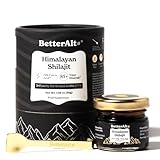
- PURE HIMALAYAN SHILAJIT RESIN: Better Alt’s shilajit resin sourced from the untouched heights of the Himalayan mountains. It naturally exudes from ancient rocks, guaranteeing unparalleled quality and authenticity. Experience the potency and purity of this ancient Ayurvedic treasure, straight from the Himalayas, for a truly exceptional wellness journey with each drop.
- REVITALISED ENERGY AND VITALITY: Harness the power of our Pure Himalayan natural shilajit resin for a renewed sense of energy and vitality. Ayurvedic medicine has used its strong powers for ages to boost stamina, promote robust health, and restore your general well-being. Discover the ageless knowledge of this natural energizer with our betteralt himalayan shilajit
- NUTRIENT ABSORPTION BOOST: Our Shilajit Pure Himalayan Organic resin is rich in fulvic acid, a natural compound that enhances your body’s ability to absorb vital nutrients. It’s an ideal addition to your daily health routine for improved nutrient uptake.
- COMPLETE WELLNESS ENHANCEMENT: Better Alt Pure Himalayan Shilajit resin authentically elevates your overall well-being by rejuvenating physical vitality, sharpening mental clarity, and fortifying your immune system. It’s an authentic addition to your daily health routine.Shilajit for men and women
- PREMIUM QUALITY & EASY PREPARATION: Our Betteralt himalayan shilajit supplement is presented in its pure, minimally processed form, free from heavy metals, fillers, additives, and suitable for vegans. Using the included copper spoon, simply scoop a pea-sized amount and stir it into water or milk until fully dissolved, making it a hassle-free addition to your daily routine. Use it daily for 2-3 months for better results
Last update on 2026-10-10 / Affiliate links / Images from Amazon Product Advertising API
Frequently Asked Questions
What exactly causes goose bumps?
Little muscles at the root of every hair, known as arrector pili muscles, flex in response to external stimuli, causing goosebumps. This physiological response can be triggered by cold chills, intense emotions, or sudden fright, serving as an automatic reaction of the human body.
Why do humans still get goose bumps if we have less body hair?
It’s an evolutionary relic. In furry animals, raised hair, a physiological response involving the arrector pili muscle, holds in heat or makes them look bigger. Humans retained this reflex, even as body hair thinned, illustrating a fascinating human phenomenon.
Can emotions really trigger goose bumps?
Yes. Powerful music, awe, fear, or nostalgia can activate the sympathetic nervous system, triggering the release of adrenaline and the contraction of the arrector pili muscles, resulting in goosebumps.
Are goose bumps ever a warning sign?
Occasionally, goosebumps can be a physiological response to chills, fever, or even emotional states. When accompanied by severe headaches or chest pain, these symptoms may indicate a more serious condition and require medical attention to heed your body’s alarms.
Can I control or stop goose bumps?
Not entirely. These physiological responses, like goosebumps, are uncontrollable. You can reduce triggers by staying warm, managing stress, and practicing slow breathing. While a few individuals can psych themselves into chills with potent imagery or music, this is rare and unreliable.
Do goose bumps help keep me warm?
When hairs stand up in response to cold, they can catch a layer of air, providing a bit of insulation as a physiological response. However, since we have so little hair, the impact on body heat is minimal.
What’s the difference between goose bumps and skin conditions like hives?
Goosebumps are a fascinating physiological response characterized by small, evenly spaced bumps resulting from the contraction of arrector pili muscles. This automatic reaction occurs quickly and dissipates as the moment passes, showcasing the body’s ability to react to external stimuli.