
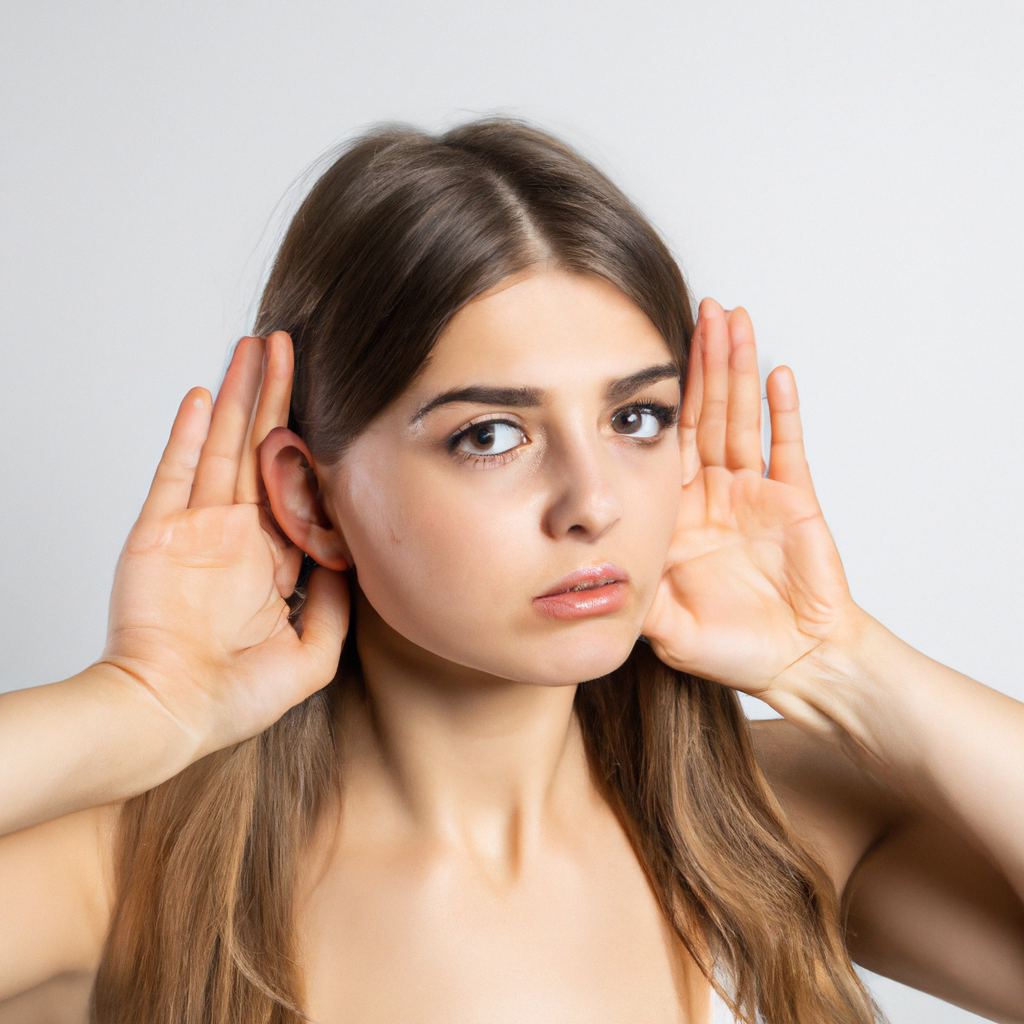
Tinnitus Unveiled: Exploring Causes, Symptoms, and Revolutionary Treatments
Key Points
- Tinnitus can vary from a minor annoyance to a debilitating condition that affects sleep and concentration. Keep track of when and how it occurs so you can provide accurate details to a medical professional.
- Typical noises include ringing, buzzing, hissing, clicking, or roaring, which can be persistent or sporadic. Pay attention to differences in pitch and loudness, as well as over time, to customize treatment.
- Typical triggers are loud noise, stress, bad sleep, and medication. Wear hearing protection in loud environments and maintain a symptom diary to discover and prevent your personal triggers.
- A comprehensive diagnosis often includes an ENT exam, hearing tests, and, occasionally, imaging to identify underlying causes. Inquire about severity scales to quantify impact and inform a tailored care plan.
- Management is most effective as a multi-layered strategy involving sound therapy, behavioral therapies such as CBT, and lifestyle adjustments. Develop daily rituals incorporating relaxation, exercise, and healthy sleep patterns.
- The brain is at the center through neural plasticity and emotional connections that can increase symptoms. Stress reduction, counseling or support groups, and persistent sound enrichment can retrain your attention away from tinnitus.

- Supports Ear Comfort & Auditory Wellness: Formulated with vitamins, antioxidants ingredients to help reduce to ear-related discomforts like ringing or buzzing. Promotes a calmer auditory experience
- Promotes Cognitive Clarity & Focus: Features ingredients that may enhance mental sharpness, concentration, and memory. Aims to address distractions caused by ear discomfort for improved daily focus and cognitive balance
- Calms the Nervous System & Circulation: Our unique blend of natural ingredients is designed to promote healthy blood flow. May ease tension and promote relaxation for overall well-being
- Gentle Plant-Based Formula: This natural blend prioritizes ear nerve health with gentle yet effective ingredients. Ideal for those seeking a holistic approach to auditory comfort
- Simple 2-Capsule Daily Routine: Take 2 capsules daily for a full 60-day supply. Designed for consistency to support ongoing ear health and lifestyle balance. Made in the USA
Last update on 2026-10-10 / Affiliate links / Images from Amazon Product Advertising API
Tinnitus is the sensation of hearing a rhythmic or constant ringing, buzzing, or hissing in one or both ears when no external activity is present. It may develop from noise trauma, presbycusis, ear infections, or temporomandibular joint and cervical spine problems.
Several people observe it more often in silent rooms or at night. We treat it with sound therapy, cognitive behavioral therapy, hearing aids, and sleep hygiene.
Next, specific steps and actionable tools to monitor triggers, alleviate stress, and develop daily habits that help soothe symptoms.
Understanding Tinnitus
Tinnitus is the experience of sound, typically ringing, buzzing, or hissing, in the absence of any external stimulus. It may be temporary or permanent, unilateral or bilateral. It’s frequently associated with hearing impairment, ear conditions, or exposure to jarring noise.
Intensity ranges from mild irritation to loss of sleep, bad concentration, and genuine strain on daily existence. Roughly 15 to 20 percent of people report tinnitus at some time or another, and one in seven live with tinnitus that doesn’t resolve.
1. The Sound
People describe many sounds: ringing like a tone, buzzing like an electric line, humming, roaring like wind, clicking, or sharp hissing. Some hear a low roar, others a high squeal. It could be low or high, thin or rich.
Pitch, frequency, and loudness differ from person to person. You could hear a constant pure tone, a narrow-band hiss, or a rough, broadband roar. It may rest at 250 Hz or increase above 8 kHz.
It can be focal in the left ear, the right ear, or feel as though it sits midline. Tinnitus can be continuous or intermittent. It can spike after a loud event or a bad night of sleep.
Some hear a single constant tone, while others hear two or more tones that drift or pound against one another with time. Roughly one-fifth of us hear it. Millions around the world live with it.
For some, it drowns in the noise, while for others, it’s the tune they just can’t turn down.
2. The Sensation
Tinnitus is subjective. Most of the time, only the sufferer hears it. The ringing can feel as if it originates from the ear canal, deep within the head, or even just outside the body.
This sensation is disorienting and difficult to localize. It can distract, irritate, and sap spirit. Where quiet rooms make it pop, stress makes it roar or rasp.
Others experience more intense upswings following extended days at work, jet lag, or sickness.
3. The Source
Typical causes include impairment of inner ear hair cells, auditory nerve strain, and potential earwax blockage. Noise exposure, age-related hearing loss, specific medications like high-dose aspirin or some chemotherapy, Meniere’s disease, and TMD can all set it off or exacerbate it.
Approximately 90% of tinnitus sufferers have accompanying hearing loss, whether age-related or caused by a single blast or years of loud noise.
Maladaptive plasticity or abnormal neural activity along the auditory pathway can perpetuate phantom sound as the brain “fills in” absent input.
Non-ear issues such as hypertension, thyroid disease, or jaw misalignment can contribute. Tinnitus may be an early indicator of Meniere’s disease associated with inner ear fluid pressure.
Identifying the origin directs treatment, from wax extraction to hearing aids or medical investigations.
4. The Impact
Sleep can decompose when the room is quiet, and the din is acute. Work might be affected by poor concentration, slower task flow, or simply being wiped out after a day of masking the sound.
The emotional hit is real: anxiety, low mood, irritability, and brain fog. Others retreat from social engagements, which can reduce support and efficiency.
For some, the noise recedes into an ambient hum over months. For some, it lingers and forms a routine. Support groups, counseling, and peer forums offer coping skills, calm, and a venue to trade notes with people who understand.

- EAR COMFORT SUPPORT: Formulated with a balanced blend of natural ingredients designed to support ear health and provide comfort for those with ringing ears
- ENHANCE WELL-BEING: By supporting a quieter environment, our capsules help you focus better at work and stay energized for your daily activities
- NATURAL INGREDIENTS: Made from high-quality plant extracts and enriched with essential vitamins and minerals. Free from harsh chemicals for a gentle experience
- ANTIOXIDANT SUPPORT: Contains natural vitamins that provide antioxidant support to help maintain overall ear wellness and daily vitality
- CONVENIENT DAILY USE: Easy-to-swallow capsules for your busy routine. Simply take 2 capsules daily with water as a part of your wellness habit
Last update on 2026-09-18 / Affiliate links / Images from Amazon Product Advertising API
Tinnitus Triggers
Tinnitus often follows a pattern of interacting triggers: sound exposure, hearing status, health conditions, ototoxic medications, and daily habits.
Triggers vary by individual and can change over time, with stress or illness.
Keeping a simple symptom diary — date, setting, loudness discomfort level in dB if known, sleep hours, caffeine, stress — aids in identifying patterns and avoiding repeat hits.
- Hearing loss (present in about 90% of tinnitus cases).
- Loud sound exposure (concerts, tools, traffic).
- Ear canal blockage (earwax, infection fluid).
- Medical disorders (Ménière’s disease, TMJ issues, vascular causes).
- Medications with ototoxic risk.
- Stress, poor sleep, and stimulants.
- Upper respiratory infections.
- Head or neck injury.
- Asymmetric auditory nerve disorders—especially if one-sided.
- Cumulative daily noise damages inner-ear hair cells.
Hearing Loss
Hearing loss is a primary cause and a major risk factor for tinnitus, whether age-related, from a single super-loud exposure, or from years of mid-level noise. Injury to tens of thousands of cochlear hair cells changes neural firing to the auditory cortex, which may fill in missing input with a phantom tone.
A key theory is that inner-ear injury changes the signal carried by auditory nerve fibers, promoting hyperactivity in sound-processing networks.
Prevalence increases with age, and unilateral loss increases suspicion for auditory nerve disease.
Avoid tinnitus triggers by wearing hearing protection, keeping everyday noise within safe limits, and getting audiology care early.
Noise Exposure
Noise — concerts, clubs, fireworks, sports arenas, factory floors — can activate or amplify tinnitus. Both loud blasts and extended periods of modest noise are important; little risks accumulate across days.
Shield with foam or filtered earplugs, snugly fitting earmuffs, or noise-canceling headphones when possible. Reduce both volume and duration.
Take quiet intermissions and limit your overall daily noise below danger levels.
Medical Conditions
Ear infections, fluid buildup, or impacted wax can block the ear canal and trigger tinnitus. Upper respiratory infections, such as a cold, can also trigger it. If it doesn’t go away within a week, get it checked.
Ménière’s disease, associated with irregular inner-ear fluid pressure, commonly presents tinnitus accompanied by vertigo and a sense of fullness.
Other contributors to tinnitus include otosclerosis, TMJ disorders, vascular issues, and head or neck injury.
Treating the underlying condition often diminishes severity.
Medications
Certain antibiotics, some antidepressants, high-dose aspirin and NSAIDs, loop diuretics, and chemotherapy agents are ototoxic and can trigger tinnitus. Greater doses and extended use increase the risk.
Discuss side effects with a clinician and inquire about alternatives. Don’t alter or discontinue medication without your doctor’s advice.
Lifestyle Factors
Stress, anxiety, and short sleep can turn a faint ring loud. Reduce arousal with breath work, quick mindfulness drills, or regular exercise.
Reduce caffeine, nicotine, and alcohol if spikes follow use. Build sleep cues: a dark, cool room at approximately 18 to 20 degrees Celsius, a fixed schedule, and low evening screen glare.
Types of Tinnitus

Tinnitus extends across multiple phenotypes with distinct mechanisms, including persistent tinnitus, which can significantly impact patients’ lives.
The type guides proper diagnosis and the next test or treatment options. In general, tinnitus can be subjective (perceived only by the individual) or objective (detectable by a clinician).
| Type | Heard by others | Key features | Common causes | Clinical implications |
|---|---|---|---|---|
| Subjective | No | Tones, hiss, buzz; tonal or complex | Hearing loss, noise exposure, OHC/IHC discordance, stress | Focus on hearing assessment and symptom management |
| Objective (somatosound) | Yes | PT, dental care, and posture changes can help | Find and treat the physical source; it may resolve | Vascular bruits, muscle spasms of the palate/middle ear |
| Pulsatile | Sometimes | Rhythmic, heartbeat-synced | Hypertension, arterial stenosis, sigmoid sinus variants | Vascular workup; blood pressure control helps |
| Somatic | No (typically) | Changes with jaw/neck/head movement | TMJ disorder, cervical myofascial tension | Hearing loss, medications, and neurological factors |
| Unilateral | No | One ear only | Meniere’s disease, vestibular schwannoma, meningioma | MRI/inner ear evaluation recommended |
| Musical hallucinations | No | Perceived music/voices | Hearing loss, medications, neurological factors | Address hearing loss; review drugs/neurology |
| Tonal vs. complex | No | Single tone vs. mixed sounds | Single vs. multiple OHC/IHC discordant foci | Guides counseling and sound therapy choices |
Subjective
Subjective tinnitus is noise that only you can perceive. This is the most prevalent form globally. Many times it trails noise, age, or ear disease-induced hearing loss.
Tone quality differs. Tonal tinnitus connects with discordant action between outer hair cells and inner hair cells in a single location. Complex tinnitus indicates several sources of dissonance and can resemble harmonizing buzzing or static.
Stress, poor sleep, and anxiety can increase loudness or intrusiveness.
Management aims to provide relief, including hearing aids, sound therapy, sleep routines, and cognitive-behavioral approaches to reduce distress.
Objective
Objective tinnitus is uncommon and may occasionally be detected by a clinician with a stethoscope or ear-canal microphone. Known as somatosound, it’s heard by another individual.
Physical generators can be vascular flow turbulence or muscle spasms of the palate or middle ear. Treating that source, such as blood pressure management, vascular repair, or muscle spasm therapy, can halt the noise.
Care begins with a thorough exam, auscultation, and directed imaging.

- ADVANCED & NATURAL FORMULA: Soothe ringing ears naturally with a blend of nutrients, including 5000mcg of highly bioactive Methylcobalamin (Vitamin B12), Alpha-Lipoic Acid, B-complex vitamins, Boswellia extract, and Choline, to help support antioxidant defense, healthy circulation, and ear and nerve wellness. Free from common allergens and designed to complement your existing health and wellness regimen
- EAR RINGING RELIEF: Skip messy ear drops. Our tinnitus relief supplement is designed to help manage occasional ear noise symptoms like ringing, buzzing, roaring, clicking, or hissing. Take one capsule before bed as part of your nightly wellness routine
- SCIENCE-BACKED NUTRIENT INGREDIENTS: Research published in the U.S. National Library of Medicine suggests that Methylcobalamin and Alpha-Lipoic Acid may help support nerve function and antioxidant defense. These premium ingredients work together to deliver optimal results
- NUTRITION FOR AUDITORY WELLNESS: Your auditory system relies on healthy nerves, circulation, and antioxidant protection. Providing key nutrients as part of your daily routine can help support long-term ear and auditory wellness
- FEATURED ON FORBES: PURMEO supplements are manufactured in Germany in FDA-registered, GMP-certified facilities and follow strict HACCP and IFS standards. With traceable PZN 20361349, we ensure pharmaceutical-grade transparency and quality you can trust
Last update on 2026-10-10 / Affiliate links / Images from Amazon Product Advertising API
Pulsatile
Pulsatile tinnitus is rhythmic and synchronous with the heartbeat. Think vascular: high blood pressure, arterial stenosis, anemia, or structural venous variants.
If the tinnitus is due to high blood pressure, anemia, or a vascular lesion, treatment for these conditions can reduce the symptoms. Maintain a simple log recording timing, side, body position, and triggers.
This guides the selection of Doppler ultrasound, CT/MR angiography, or venous studies.
Somatic
Somatic tinnitus moves with head, neck, or jaw movement. It can flare with bad posture, teeth grinding, or after extended desk work. A voluntary jaw clench can trigger it in some, and neck or jaw pain often coexists.
Cervical muscle physical therapy, TMJ care, bite guards, and ergonomic tweaks are mainstays. Monitor which motions or positions increase or decrease volume to inform treatment and at-home stretches.
The Diagnostic Journey

Diagnosis begins by mapping what you hear, including any tinnitus symptoms like ringing in the ears, when it started, and how your day goes.
The initial work-up typically involves seeing an otolaryngologist (ENT) specialist to identify any treatable etiology and gauge tinnitus severity early.
Medical Evaluation
A comprehensive otolaryngology workup eliminates disorders that simulate or precipitate tinnitus, such as ear infections, and establishes the course of treatment.
The clinician reviews critical factors like onset (sudden vs. gradual), laterality (one vs. both), and sound character (ring, buzz, pulse).
They also assess triggers like loud noises, stress, caffeine, and medications, while identifying red flags such as one-sided hearing loss, ear pain, or balance problems. Understanding these tinnitus symptoms helps determine the urgency of intervention.
They inquire whether the noise interferes with work, studying, sleeping, or mood, as these factors determine your level of urgency.
The physical exam includes the ear canal and eardrum to check for cerumen impaction, otitis externa or media, and eardrum perforation.
A neurologic review is crucial for identifying cranial nerve deficits or migraines that could contribute to persistent tinnitus.
The examination of the jaw and neck seeks signs of temporomandibular joint disorder or muscle tension, which can exacerbate tinnitus severity when clenching or turning the head.
These specifics help determine whether to pursue imaging or refer to dental or physiotherapy specialists for further evaluation.
In summary, a thorough assessment of factors related to this medical condition is essential for proper diagnosis and treatment.
By understanding the complexities of tinnitus, including its acoustic parameters, healthcare providers can develop effective strategies to manage symptoms and improve patients’ quality of life.
Hearing Tests
Audiologists conduct pure-tone audiometry to chart air- and bone-conduction thresholds, along with speech reception and discrimination, to differentiate sensorineural from conductive hearing loss.
Otoacoustic emissions measure outer hair cell function and can detect “hidden” cochlear damage even when audiograms are normal.
Normal hearing does not exclude tinnitus, particularly for subjective cases associated with central gain or synaptopathy.
Patterns help.
High-frequency notches point to noise exposure.
Low-frequency dips may be consistent with Ménière’s disease. Air-bone gaps suggest otosclerosis or effusion.
Since hearing can shift with noise exposure, age, or medication, follow-up testing is reasonable for ongoing or increasing symptoms. A hearing test is typically included both at baseline and follow-up.

- Real relief from tinnitus.
- Scientifically proven tinnitus treatment.
- Doctor recommended for tinnitus caused by hearing loss or noise exposure.
- Highest quality Ginkgo biloba (Ginkgo Max 26/7), for best results.
- Helping tinnitus sufferers for over 25 years.
Last update on 2026-10-10 / Affiliate links / Images from Amazon Product Advertising API
Severity Scales
Severity tools capture how tinnitus touches daily life, mood, sleep, and focus across four areas: Thoughts and Emotions, Hearing, Sleep, and Concentration.
Scores guide treatment and monitor progress, which is important considering that up to 40 million Americans pursue tinnitus treatment annually, with approximately 6% experiencing debilitating effects every day.
| Instrument | Scale | What it measures | Use case |
|---|---|---|---|
| Tinnitus Functional Index (TFI) | 0–100 | Impact across 8 domains | Baseline and response tracking |
| Tinnitus Handicap Questionnaire (THQ) | 0–100% | Handicap severity | Stratify mild/moderate/severe |
| Tinnitus Handicap Inventory (THI) | 0–100 | Functional, emotional, catastrophic | Quick clinic screen |
| Insomnia Severity Index (ISI) | 0–28 | Sleep disruption | Target sleep interventions |
Filling out regularly (e.g. Every 4 to 12 weeks) helps customize sound therapy, counseling, or sleep plans. The key to treating tinnitus is to diagnose and accurately measure it.
Managing Your Tinnitus
Tinnitus management mixes sound-based instruments, behavior modification, medical devices, and everyday habits. They’re most effective when tailored to fit your tinnitus subtype, hearing profile, and stress-resilience pattern, then adapted as your symptoms evolve.
Develop a personalized strategy with a clinician.
Match tools to tinnitus pitch, loudness, and hearing test results. Use layered strategies: sound masking, therapy, devices, and sleep support. Track triggers and patterns; adapt quickly when symptoms spike.
Safeguard hearing in noisy environments. Forestall relapses before they begin. Prioritize coping skills to cut distress and social withdrawal. Reevaluate every 8 to 12 weeks. Polish what works and discard what doesn’t.
Sound Therapies
White noise machines, wearable sound generators, and constant environmental sounds can drown out tinnitus.
A lot of folks keep fans, humidifiers, dehumidifiers, or an air conditioner running at night in order to inject soft broadband noise.
Sound machines, by day or night, can reduce the contrast between quiet and the internal hum.
Sound therapy diverts attention so the brain ceases to mark that noise as significant. After a while, the tone might fade into the background.
Sophisticated options include notch music therapy, which removes energy at your tinnitus frequency, and neuromonics, which combines music with customized acoustic stimuli to promote habituation.
If hearing loss is a factor, hearing aids restore audibility and decrease tinnitus awareness.
Maintain a concise selection of go-to sounds: rain at 45-50 dB, low-fan whir, and brown noise for study, commutes, or crunch time.
Behavioral Therapies
Cognitive behavioral therapy (CBT) and tinnitus retraining therapy (TRT) are evidence-based. They aim at the loop between sound, attention, and stress.
The goal is to decrease maladaptive cognitions, anxiety, and hypervigilance. That shift reduces anxiety, enhances sleep, and reduces daytime fatigue.
Group counseling and peer support assist. Members share what really works, from bedtime routines to app settings. Even if the noise remains, behavioral work can frequently improve quality of life.
Medical Devices
Hearing aids with tinnitus programs, standalone tinnitus maskers, combination hearing aid–maskers, cochlear implants (for severe hearing loss), and wearable noise generators are all options.
Devices that provide steady-state broadband noise or shaped stimuli can mask or promote habituation.
Hearing aids, for example, can be beneficial when hearing loss has reduced the contrast of external sounds. In cases of severe loss, cochlear implants can suppress tinnitus by restoring input.
Receive an accurate fitting, occasional reprogramming, and cleaning. Even tiny changes in gain, frequency shaping, or noise profile can tip the scales.

- EAR COMFORT SUPPORT: Helps soothe ears from common buzzing, ringing, clicking, and whistling sounds for a more peaceful and quiet experience
- DAILY VITALITY: Formulated to support general ear health and overall well-being, helping you maintain a comfortable lifestyle every day
- NATURAL INGREDIENTS: Refined with plant-based extracts and enriched with essential vitamins and minerals. Gentle and non-irritating formula for your peace of mind
- SERENITY & FOCUS: The tinnitus relief reduce the disturbance of tinnitus, soothe your ears, and in turn improve concentration and memory, making you more focused and productive in work and life
- FAST-ABSORBING LIQUID: The upgraded liquid design is engineered for rapid absorption and convenience. Easy-to-use dropper for precise daily ear care
Last update on 2026-09-18 / Affiliate links / Images from Amazon Product Advertising API
Lifestyle Adjustments
Practice stress-reduction techniques such as mindfulness sessions, yoga flows, or paced breathing to help calm arousal and reduce spikes in tinnitus severity.
Maintaining a consistent sleep routine in dark, cool rooms with soft background noise can also help manage tinnitus symptoms.
Others find that quality sleep helps them adapt to their tinnitus and notice it less.
Limit exposure to loud noises, and carry tightly sealing earplugs with a signal-to-noise ratio of approximately 20 to 25 for concerts or tools. It is crucial to expect, avoid, and alter circumstances that exacerbate symptoms.
Record diet, medications, caffeine, exercise, and screen time. Exercise reduces the frequency and severity of symptoms for others and lightens the psychological burden.
Monitor your social life.
Tinnitus has mental, physical, and social consequences, and isolation can sneak in. Share coping plans with friends.
The Brain’s Role
Tinnitus is a mirror of miscommunication in the auditory system and beyond. Irregular activity emerges in the auditory cortex, the auditory brainstem, and attentional and emotional networks.
When input from the ear diminishes due to noise trauma or aging, the brain can fill the voids with phantom sound.
Researchers find increased neural synchrony, changes in tonotopic maps, and alterations in the default mode network, suggesting a brain-wide reorganization.
Other work examines neuroplastic shifts, neuroinflammation, and neuromodulators such as brain-derived neurotrophic factor (BDNF) while targeting those pathways.
Phantom Noise
Phantom noise is noise heard without any acoustic stimulus. It might be a high hiss, a pure tone, or a pulsing buzz. Some hear it only in silent rooms, while others hear it over traffic or chatter.
It can linger even when conventional hearing tests appear normal. Hidden hearing loss, synaptopathy, or subtle brainstem changes may not be evident on pure-tone audiograms, but may still drive cortical hyperactivity.
So the brain probably attempts, after diminished input, to compensate for absent signals, and that gain compensation can generate tinnitus. Auditory brainstem hyperactivity and increased cortical synchrony support this model.
Confusing phantom noise with real noise occurs when they intersect in pitch or beat. Fans, fluorescent lights, and distant machinery can silence or simulate tone, particularly in open offices.
Neural Plasticity
Neural plasticity is the brain’s ability to rewire itself in the wake of change. Following cochlear trauma, central gain is elevated, inhibitory circuits are diminished, and tonotopic maps are blurred.
This can become maladaptive. Reinforced synchrony in the dorsal cochlear nucleus and auditory cortex, altered BDNF signaling, and neuroinflammatory cascades may stabilize tinnitus. The limbic system can mark these signals as important and intensify the cycle.
Retraining could be beneficial. Sound therapy (broadband noise, notched music), cognitive-behavioral protocols, and attention training aim to reduce salience and rebalance networks.
Early neuromodulation trials (rTMS, tDCS, bimodal stimulation of tongue or vagus nerve) target auditory-limbic circuits.
Small daily steps help plastic change. Consistent sound enrichment at safe levels, structured listening tasks, mindfulness-based cognitive practices, and steady sleep-wake routines contribute to this process. Advances are incremental, but tangible.
Emotional Link
Tinnitus frequently follows stress, anxiety, and depression. The amygdala and hippocampus, key parts of the limbic system, determine how threatening the sound seems.
Meanwhile, the default mode network can switch attention inward and intensify dread.
Your brain is probably playing a bigger role. Most see surges around deadlines, exams, or extended commutes.
Build a calm base: brief diaphragmatic breathing breaks, progressive muscle relaxation, and short mindfulness sessions. Even 10 minutes a day can reduce arousal and reactivity to the din.
Therapy helps translate coping into habit. Cognitive-behavioral therapy, acceptance and commitment therapy, and group support cut down on distress and help you sleep so that the tinnitus signal is not the primary message from your brain each day.
Our Conclusion
To recap, tinnitus requires a consistent strategy, not band-aids. Keep tabs on your tinnitus, record time, location, and stress.
See a pattern.
Cut obvious triggers like loud gigs, jaw clenching, poor sleep, or excessive caffeine. Wear ear protection at 85 dB and above. Set sleep rules: a cool room, darkness, and the same hours. Go for CBT or sound therapy for actual improvements.
Combine white noise with breath work. Focus training with brief assignments. Reduce jaw load with soft food and a relaxed bite.
To monitor, use a weekly log and a zero-to-ten scale. Share it with your care team.
Prepared for what’s next?
Choose one tool for this week. For starters, set a 10-minute sound mask at night. Then, record your score every morning.
- Supports Ear Comfort & Auditory Wellness: Formulated with vitamins, antioxidants ingredients to help reduce to ear-related discomforts like ringing or buzzing. Promotes a calmer auditory experience
- Promotes Cognitive Clarity & Focus: Features ingredients that may enhance mental sharpness, concentration, and memory. Aims to address distractions caused by ear discomfort for improved daily focus and cognitive balance
- Calms the Nervous System & Circulation: Our unique blend of natural ingredients is designed to promote healthy blood flow. May ease tension and promote relaxation for overall well-being
- Gentle Plant-Based Formula: This natural blend prioritizes ear nerve health with gentle yet effective ingredients. Ideal for those seeking a holistic approach to auditory comfort
- Simple 2-Capsule Daily Routine: Take 2 capsules daily for a full 60-day supply. Designed for consistency to support ongoing ear health and lifestyle balance. Made in the USA
Last update on 2026-10-10 / Affiliate links / Images from Amazon Product Advertising API
Frequently Asked Questions
What is tinnitus?
Tinnitus, often described as a ringing or buzzing sound, is a symptom of a medical condition rather than a disease itself. It can be persistent tinnitus or transient, and a hearing care professional can help identify the exact causes and explore various treatment options for this auditory phenomenon.
What triggers tinnitus flare-ups?
Typical triggers for persistent tinnitus include loud noises, stress, lack of sleep, and certain medications, while earwax build-up can also play a role. Additionally, jaw or neck problems may contribute to the severity of tinnitus. Tracking triggers in a diary helps you spot patterns and prevent spikes.
Are there different types of tinnitus?
Yes. Tinnitus can be subjective, meaning that only you hear it, or objective, which is very rare, but others might hear it with the help of a stethoscope. It may be tonal, pulsatile, or somatic and is associated with jaw or neck movement, affecting tinnitus severity and treatment options.
How is tinnitus diagnosed?
A clinician evaluates your history and persistent tinnitus symptoms. They conduct an otoscopic exam and an audiogram to assess hearing thresholds. When necessary, they can order imaging or blood work, particularly for unilateral or pulsatile tinnitus.
Can tinnitus be cured?
Not necessarily, but it’s controllable. Many individuals reduce the impact of persistent tinnitus through sound therapy, hearing aids, and cognitive-behavioral therapy, along with sleep and stress management, while controlling common tinnitus risk factors. Addressing underlying issues, such as earwax or medication side effects, can assist.
What treatments help manage tinnitus day to day?
Employ sound enrichment, relaxation, and regular sleep to manage tinnitus symptoms. Consider hearing aids if you have hearing loss, and collaborate with an audiologist to develop a customized plan to address the severity of tinnitus.
How does the brain influence tinnitus?
The brain hears and broadcasts the signal of persistent tinnitus, where attention, stress, and emotion networks can amplify it. Therapies such as CBT, mindfulness, and sound therapy work by retraining the brain’s response to tinnitus symptoms. After a while, most people experience diminished distress and awareness.




2 Comments