
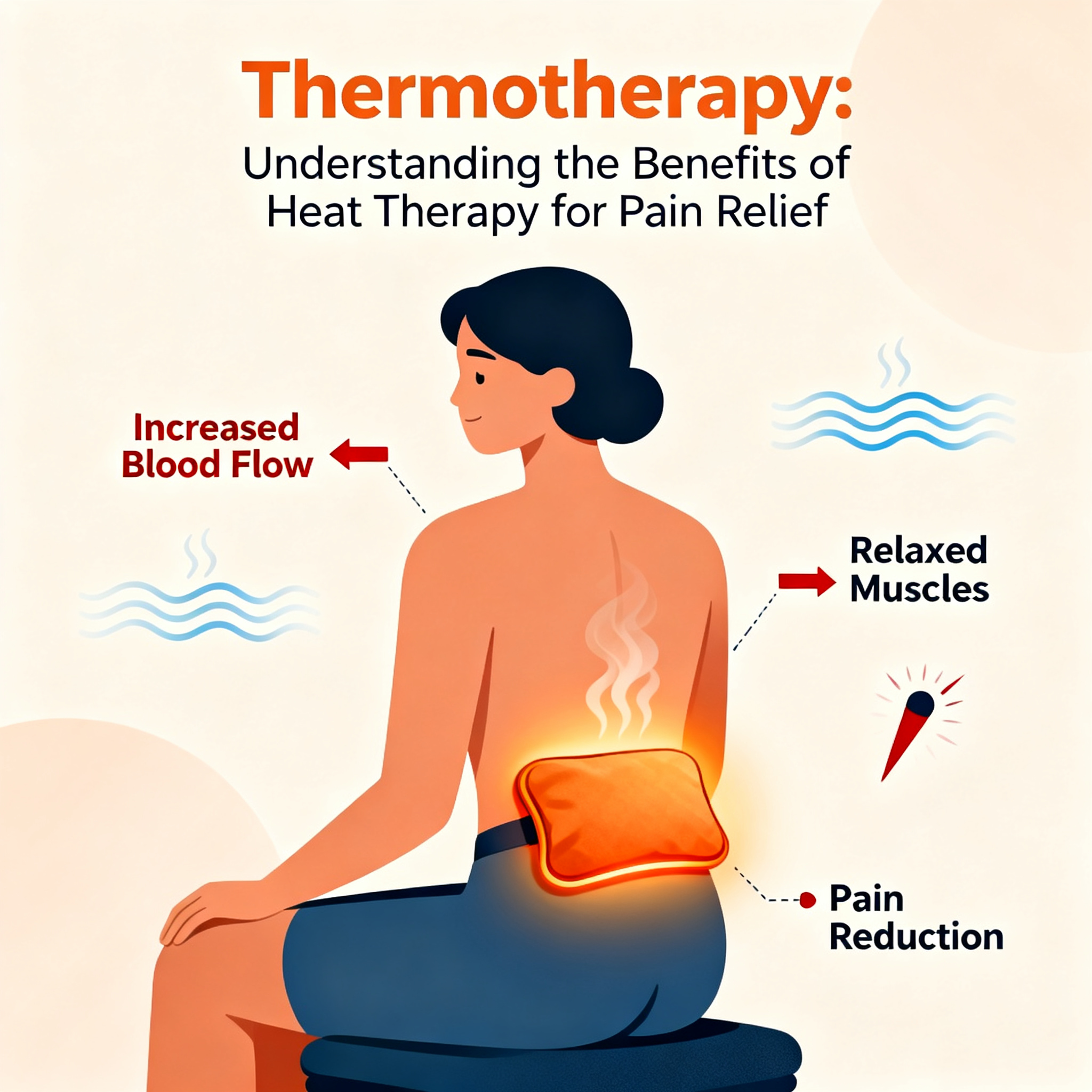
Thermotherapy: Understanding the Benefits of Heat Therapy for Pain Relief
Key Points
- Thermotherapy applies precisely regulated heat to body tissue to help alleviate pain and encourage healing. It uses far-infrared (FIR) light and natural stones such as jade and amethyst to create soothing, non-invasive therapeutic heat.
- FIR light, doesn’t it? It penetrates five times deeper into tissues than traditional heat, making it extremely effective for alleviating pain, restoring movement, and encouraging cellular repair.
- Applying heat increases circulation and helps relax tight muscles. This practice is an effective way to relieve stress, making it a double-whammy technique for both physical and emotional health.
- Discover all the different ways that you can use thermotherapy! Experiment with heating pads, FIR devices, warm baths, hydrotherapy, etc., to find what most effectively reduces your pain and discomfort.
- Safety is no. 1! Always take precautions with protective barriers and skin temperature monitoring. If you have any medical issues or are at all uncomfortable with using thermotherapy, please speak to a healthcare professional.
- Make regular thermotherapy a part of your health regimen! It fosters mobility, promotes recovery, and supports long-term health.
Thermotherapy is the medical term for using heat to relieve pain, increase circulation, and speed up muscle recovery. In the United States, folks often use heating pads, warm towels, or hot water bottles.
They operate these devices at home or in outpatient facilities to address muscle soreness and joint stiffness.
The thing about hot packs—or paraffin wax baths, as another example—is that physical therapists use them as well.
Find out how thermotherapy can address multiple needs and read key safety guidelines.

- RED & NEAR-INFRARED LIGHT FOR DAILY WELLNESS – The Hooga HG300 features 60 LEDs delivering 660nm red light and 850nm near-infrared light, two popular wavelengths used in at-home red light routines for skin-focused care, workout recovery routines, sleep prep, energy support, and overall wellness.
- COMPACT PANEL, TARGETED SESSIONS – Designed for convenient, targeted use on smaller areas of the body. The HG300 is ideal for daily wellness sessions at home, whether you are using it in the morning, after exercise, while winding down at night, or as part of your regular self-care routine.
- HIGH-OUTPUT PERFORMANCE IN A SMALL FOOTPRINT – Delivers over 73 mW/cm² irradiance at 6 inches, with high-quality 5W LEDs, precision optics, and active cooling to provide strong, consistent light output in a compact and easy-to-use panel.
- EASY DESKTOP & TABLETOP SETUP – The adjustable tabletop stand makes it simple to position the panel on a desk, counter, nightstand, or table. Use red light, near-infrared light, or both together with independent controls to customize each session.
- COMPLETE STARTER KIT FROM HOOGA – Includes the HG300 panel, adjustable tabletop stand, protective eyewear, power cord, and user manual. Built with durable iron construction, a 50,000+ hour LED lifespan, Hooga’s 3-Year Warranty, and responsive U.S.-based customer support.
Last update on 2026-10-22 / Affiliate links / Images from Amazon Product Advertising API
What Exactly is Thermotherapy?
Thermotherapy, or therapeutic heat, is a natural healing alternative that applies regulated heat to the body to alleviate pain and promote healing.
Commonly referred to as heat therapy, increasing the temperature of skin and soft tissue increases blood flow. This typically occurs when tissues are heated to 104° F-113° F for 5–10 minutes.
As a result, blood flow is increased, which helps heal tissue and reduce inflammation. You might be familiar with thermotherapy for sore muscles, stiff joints, or low back pain. It’s a soothing alternative and is most notable for its non-invasive approach – that is, no needles or incisions are required.
1. Defining This Gentle Healing Art
Thermotherapy is one specific application within the larger family of heat-based treatments. It has an effect directly on the skin surface or slightly subcutaneously.
Unlike other, more invasive procedures, it uses heat packs or pads.
It makes a great choice for treating strains, sprains, chronic pain and arthritis. At the same time, surface heat, such as that delivered with a warm towel, creates immediate comfort. Deeper treatments go below the skin to soothe stiff muscles and aching joints.
2. My Take: It’s Nature’s Embrace
My Take: Thermotherapy is like a big, warm hug from nature. There’s something inherently comforting about warmth, and it oftentimes makes others more comfortable, safe, and calm.
With simultaneous stress relief and body healing, it’s no wonder that thermotherapy works wonders.
Participants often report that warmth alone improves their mood and relaxation, contributing to its overall effectiveness.
3. FIR Light: The Deep Difference
One thing that makes thermotherapy different is FIR light. FIR penetrates beyond surface heat, reaching deeper tissues.
This penetrating warmth is super effective at calming discomfort, reducing inflammation, and even promoting cellular healing.
In clinical practice, it provides noticeable relief within 30 minutes.
4. Power of Natural Stones Explained
Jade, amethyst, and tourmaline are popular materials used in superficial heat therapies. These stones retain heat exceptionally well and are believed to transfer soft energy to the body, enhancing the therapeutic benefits of heat therapy.
Cultures around the world have employed them for centuries in their healing practices, adding an even deeper dimension to therapy.
The Science of Soothing Heat

Thermotherapy, or heat therapy, is not just a feel-good gimmick; it works at the cellular level deep within the body to reduce pain, enhance healing, and melt away stress from both body and mind.
Understanding how superficial heat therapies work on a biological level allows people to use them more effectively and safely.
How Warmth Unlocks Pain Relief
Heat relaxes sore and stiff muscles and joints, easing pain by relaxing tissues and slowing down pain signals. When heat is applied to the skin, it stimulates the release of chemicals such as histamine and prostaglandins.
These promote vasodilation, or the widening of blood vessels, which helps alleviate pain. Heat blocks pain signals from the periphery from reaching the brain, dulling the intensity at which aches register.
Applying heat can help relax tense muscles, reduce spasms, and increase flexibility in stiff joints. Choosing the correct temperature is critical.
While mild pain may diminish after only 15 to 20 minutes of heat, keep in mind that heating pads should never be used for more than 20 minutes.
Boosting Blood Flow Naturally
More than just comfort, applying heat causes blood vessels to expand, a response known as vasodilation. This increases circulation to tender areas, promoting the repair of damaged tissues and delivering oxygen and nutrients.
Blood flow is controlled by the sympathetic nervous system, which regulates how much blood can pass through.
Healthy circulation further flushes away toxins and can reduce inflammation.
Increased blood flow leads to more rapid recovery and reduced inflammation.

- High Output, Make Every Minute Count: Short on time? With 105W power and 95.6 mW/cm² irradiance at 3 inches, our BQ60 red light therapy panel delivers strong, consistent light output for efficient at-home sessions. Use it before work, after exercise, or while winding down without building your day around a long routine.
- One Panel for More Wellness Needs: Dual-chip LEDs emit 660nm red and 850nm near-infrared light. Choose red light, infrared, or both together. Three modes adapt to workout routines, relaxation, sleep prep, energy support, and overall wellness, giving you more ways to use one near infrared light therapy device.
- Spend Once, Save More Over Time: Skip recurring spa costs, appointments, and travel time. Enjoy red and infrared light therapy at home for face, body and more. One versatile red light therapy lamp covers more of your everyday wellness needs, helping you get more long-term value from a single purchase.
- Set Your Angle, Keep Your Hands Free: Set the panel on a desk, table, or nightstand with the adjustable U-shaped stand, then tilt the light toward the area you want to target. Prefer a fixed setup? Use the included hanging kit for wall mounting. Touchscreen controls keep adjustments simple, while the lightweight build makes this portable red light therapy device easy to move around the home or pack when traveling.
- Built for Daily Use, Backed by Real Support: Flicker-free LEDs, quality components, and an advanced cooling system help deliver steady performance and a more comfortable experience with every use. The BQ60 LED light therapy panel is built for dependable everyday use and backed by reliable customer support, so you can buy with confidence and enjoy lasting peace of mind.
Last update on 2026-10-23 / Affiliate links / Images from Amazon Product Advertising API
Melting Away Muscle Tension
Heat helps relax tense muscles and increases pliability. This increases the range of motion and reduces the likelihood of muscle strain during exercise.
People love using heat before exercising or after a long day to relax and relieve muscle pain. That relaxed feeling goes a long way toward boosting your mood, too.
Calming Your Body and Mind
Heat therapy isn’t purely physical. Heat works wonders at calming the mind and body.
As anyone knows, when you’re comfy, your mind goes right along with it. Incorporating soothing heat, such as a warm compress, soothing touch, or a warm bath, into your day can ease accumulated stress and enhance overall wellness.
Discover Your Perfect Heat Method

There are countless ways to experience the therapeutic relief and healing power of heat. Choosing the perfect heat method isn’t simply about following trends—it’s about selecting the best solution for each individual’s needs and comfort level.
Some people prefer strong muscle penetration, while others are relieved by more superficial heat.
It makes a difference if you like moist or dry heat, since each affects the body slightly differently. The best way to understand how different heat methods work is to experiment.
Far Infrared: My Go-To Choice
One way to separate FIR heat from the pack is its ability to penetrate deeper layers of muscle and tissue. FIR waves improve how quickly cells use energy, which is convenient for pain and stiffness.
FIR devices—whether pads or saunas—are noninvasive and simple to use at home or in clinics.
Millions of others use FIR heat as an effective treatment for chronic pain and muscle tension. It calms the body without removing moisture from the skin, creating an even, relaxing warmth.
Moist Heat vs. Dry Heat Comfort
Moist heat, such as a warm, wet towel at about 105°F, is more effective at delivering heat to the body. This is ideal for people with a body fat percentage greater than 25%, as moist heat penetrates deeper.
Quick-relief dry-heat methods, such as heating pads, retain heat for several hours and are effective for immediate relief.
Both have advantages. Moist heat works best for stiff joints, but dry heat is more convenient and less messy.
Experiment with each method to discover what works best for your comfort level.
Hydrotherapy: Water’s Gentle Power
Hydrotherapy is the therapeutic use of warm water to relieve pain. A soak in a tub, or a whirlpool, combines buoyancy and heat.
Hot water—between 102°F and 104°F—will soothe sore, stiff muscles, making them more pliable and easier to stretch.
It’s a great noninvasive method for relieving tension, and incorporating it into your regular care routine can help keep your muscles comfortable and healthy.
Comparing Heat Delivery Systems
| System | Pros | Cons |
|---|---|---|
| Heating Pads | Easy to use, stays warm | Can dry skin |
| Hot Packs | Portable, longer warmth | Needs reheating |
| FIR Devices | Deep tissue reach | Higher cost |
| Stones | Targeted heat, natural | Short heat span |
| Water Bottles | Long warmth (6-8 hrs) | Takes time to heat |
Consider what kind of pain you have, what’s user-friendly for you, and what feels best regarding heat therapies or cold treatment. It may take some trial and error, but you’ll soon discover what works best for you.
Real Benefits: More Than Warmth
As we’ve seen, thermotherapy offers benefits that go well beyond feeling warm and comfy. It connects to tangible, quantifiable shifts in your physiology.
Applying heat helps range of motion and increases rehabilitation.
It helps preserve your body’s operating system so it functions effectively for years to come. This sensibility explores below the level of superficial comfort.

- 33”x17” Large Coverage: The larger size of this red light therapy pad provides a wider coverage area Whether you’re sitting, lying down, or watching TV, it delivers a comfortable experience.
- 480 LEDs Red Light Therapy Mat: The red light mat features 480 LED, far exceeds similar-sized or even larger products on the market. This design ensures broader coverage.
- Easy To Operate: The red light mat is easy to use. All you need to do is connect the pad and adapter, then press the button, and you’re ready to use.
- 4 Modes & 3 Levels: Comfytemp is designed to bring red light to your home. The red light blanket features 4 light modes and 3 adjustable levels, allowing you to tailor it to your needs.
- A Thoughtful Gift: Whether for parents(Mom, Dad), wife, husband, or a friend, it makes a practical and thoughtful gift for occasions like Mother’s Day, Father’s Day, Christmas, or birthdays.
Last update on 2026-10-22 / Affiliate links / Images from Amazon Product Advertising API
Soothe Aches, Improve Mobility
Heat therapy is especially effective for chronic pain, making it beneficial for people with arthritis or a history of injuries. When heat penetrates your tissues, it increases circulation.
This process clears away the substances that cause pain, including pro-inflammatory cytokines. That translates to reduced inflammation and pain.
Over time, regular use of heat pads (or warm baths) can help loosen stiff joints.
This helps improve mobility and quality of life for users. Staying power is key—integrating heat therapy into your everyday routine offers the best chance of long-term relief.
Those with chronic back pain or arthritic knees tend to have greater mobility after remaining committed to consistent treatments.
They report less pain as a side effect!
Your Pre-Workout Warm-Up Ally
Your pre-workout warm-up ally. Applying heat therapy before a workout helps your muscles move more easily. Once your core temperature increases by about 1.8–2.2°F, your muscles relax, and circulation improves.
This protects you from potential strain or pull and may even improve your performance. Athletes who warm up with hot compresses or brief sauna baths before workouts often report greater flexibility and quicker recovery.
Introducing warmth into your warm-up could help you train harder while staying better protected.
Deepen Post-Stress Relief
Whether after a long day at work or an intense exercise session, warmth encourages relaxation. It soothes your nervous system and helps your muscles release stored tension.
Studies indicate that consistent heat exposure reduces inflammatory markers such as C-reactive protein and TNFα. That translates to reduced pain and quicker recovery times.
Taking time for heat therapy following stressors can help you avoid tipping the scales, mentally and physically.
Supporting Long-Term Wellness
In regular thermotherapy, vascular health is improved, reducing arterial stiffness and increasing blood flow.
National studies have found it to be notably effective in controlling chronic disease and promoting healthy aging.
Heat therapy encourages the body to produce additional heat shock proteins, which help shield the body from disease and injury. This simple routine can do wonders over a few months or over the course of years.
It’s good for high blood pressure, joint pain, and it helps keep your body strong and balanced!
Smart Heat: Safety First Always
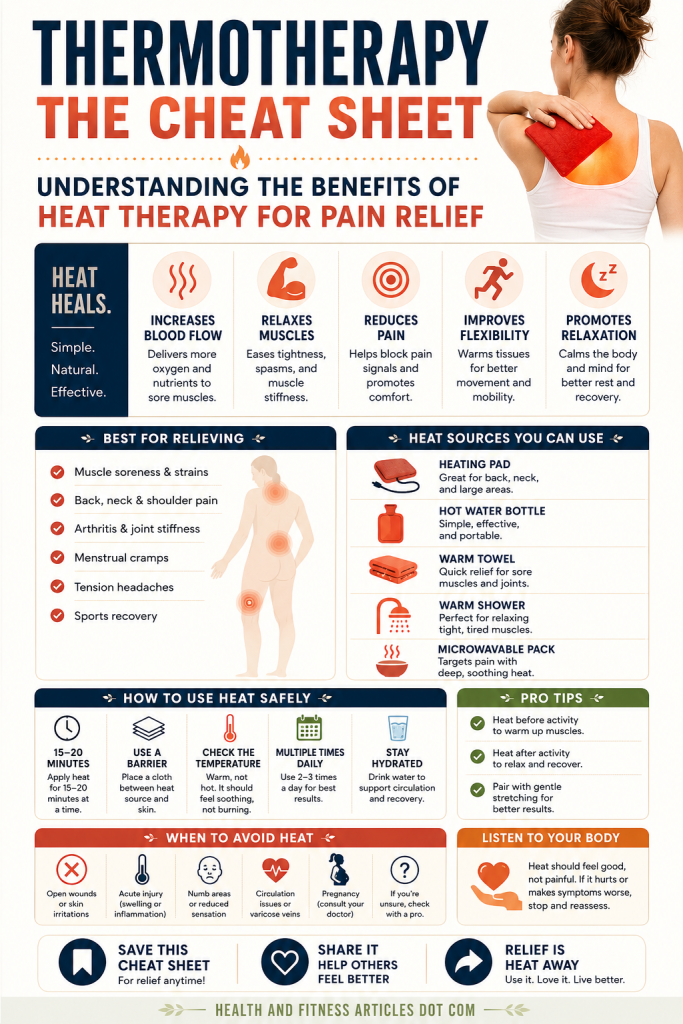
Safety is always #1 when it comes to thermotherapy. Heat therapy is an efficient way to treat sore, tired muscles, stiff joints, and even chronic pain. It can be a wonderful tool – if used properly.
Finding the sweet spot with temperature, timing, and individual health is key to utilizing the benefits of heat therapy while avoiding adverse effects.
When Heat Isn’t Your Friend
When heat isn’t your friend, it’s important to recognize specific conditions. If you have diabetes, poor circulation, or open wounds, heat can be counterproductive.
People who are unable to sense temperature due to nerve damage may not be able to tell when heat becomes excessive and may suffer burns as a result.
Some injuries, such as acute sprains and swelling, may be aggravated by heat. If you begin to feel dizzy, weak, or especially fatigued while receiving treatment, you may be experiencing heat intolerance.
If you have any questions about whether heat exposure is appropriate for you, always check with your physician first.
Understanding Potential Risks
Understanding potential risks is crucial when using heat therapy. Burns and skin irritation are the primary risks associated with heat therapy.
Very high temperatures or long exposure can cause irreversible tissue damage.
This is particularly the case once the temperature rises above 113°F (45°C). Others, such as 1450 nm laser therapy, are downright painful and not suitable for everyone.
High-frequency treatments, such as transcutaneous electrical nerve stimulation (TENS) or radiofrequency ablation, require prudent application to prevent adverse effects.
Understanding potential risks and how to minimize them is crucial when using any device or platform.
My Tips for Safe Application
Don’t burn yourself—Use a towel or cloth to prevent burning your skin. As a rule of thumb for home applications, 15-20 minutes of moderate heat should do the trick.
Do not go to sleep with a heating pad. Move up from the lowest setting and listen to your body. If you feel pain, discontinue immediately.
Heat vs. Cold: Key Differences
Heat increases circulation and helps loosen stiff muscles. Cold is more appropriate for reducing swelling or acute injuries. Both have important roles, but understanding when to use each and, more importantly, when not to is essential.
Pay attention to how your body is responding and adjust accordingly.
Acute Injury vs. Chronic Care
In the case of acute injury, apply heat only after the initial swelling has ended. For chronic pain or arthritis, consistent heat helps to relax and loosen everything.
Always customize your therapy to your individual needs and consult a healthcare professional when necessary.
Heat’s Journey: Past, Present, Future
Heat therapy has traveled with us over the ages, crossing borders and cultures. From the quest for comfort to a marriage between traditional knowledge and modern research, superficial heat therapies and advanced thermotherapy techniques highlight this evolution.
From the past to the present, thermotherapy finds itself at a crossroads.
Timeless Wisdom: Heat Across Cultures
Long before the advent of modern medicine, communities in Finland, Japan, and Native North America relied on heat to heal.
In cultures around the world, saunas, hot springs, and steam baths became more than just places to unwind—they were essential to maintaining good health.
Heat provided comfort for pain, improved circulation, and soothed day-to-day tensions. In each culture, heat was perceived differently. For others, it was about purifying the spirit.
To some, it was an act of defiance—staying alive to outlast the oppressor was a form of resistance. There’s tremendous wisdom to be gained in examining these ancient practices. Their stories remind us that the use of heat to heal comes from a long history that is both deep and culturally shared.
Modern Twists on Ancient Healing
New tools are creating exciting new possibilities, but they’re all building on these old practices. Infrared saunas and heated wraps & blankets provide focused heat. Infrared heat is a bit of an industry buzzword.
Clinical research now supports what ancestors knew: passive heat therapy can reduce inflammation, improve blood flow, and lower blood pressure.
There have been at least 2 studies that show sauna use improves the quality of life for people with cardiovascular disease.
This even includes patients with serious conditions such as congestive heart failure! What’s more, science proves that even mild heat—about 100°F—can start positive transformations in the body.
What’s Next in Heat Technology?
Modern research is seeking methods to customize heat therapy to the individual. Smart devices that can read body data, therefore adapting temperature for maximum comfort and productivity.
Researchers want to keep these tools simple, so they are easy to use at home or with an in-home care team. We want to bring the benefits of heat to as many people as possible—not just those who can afford a trip to a spa or pain clinic.
Heat in Your Integrated Health Plan
Thermotherapy blends nicely with interventions like exercise and whole foods. When included in a well-rounded regimen, heat can enhance muscle recovery and improve blood flow.
A blend of time-tested wisdom and modern science, it’s yet another route to better health.
- PROFESSIONAL LIGHT PANEL: INTEO light panel features dual LED chips in each lamp unit to produce blended light output. It creates full-range ambient light experience for your daily beauty and self-care routines
- FLEXIBLE 2 IN 1 RED LIGHT LAMP: Our red light panel features a detachable design that can be used independently with the adjustable elastic strap for portable on-the-go use, or mount it on the matching bracket. It fits for use while sitting, lying, Yoga, at home, office or other scenarios
- HOME PORTABLE RED LIGHT DEVICE: This light device comes with an ergonomic curved frame for optimized light concentration and even light coverage. Perfect for daily routines of sedentary office workers, fitness enthusiasts and elders
- 5 LEVELS OF BRIGHTNESS & TIMER SETTING: Equipped with 5 adjustable brightness levels and 9 timer options ranging from 10 to 90 minutes, 3 working modes, for flexible custom settings. Designed for home leisure use
- EASY TO USE: Quick assembly without extra tools. More stable than traditional tripods with no risk of tipping over. Simply use 15–25 minutes per session, 3–5 times weekly
Last update on 2026-10-22 / Affiliate links / Images from Amazon Product Advertising API
Our Conclusion
Thermotherapy is simply telling it like it is. Heat pads, warm towels, and a nice long soak in the tub all save the day on the regular.
They relax tight areas, promote injury recovery, and feel amazing after a long day! The science is there to back it up.
Muscles relax, circulation improves, and pain decreases.
People in the U.S. have long turned to heat to relieve stiff, sore backs, athletic injuries, or wintertime joint pain. Even professional trainers carry heating pads in their bags.
Safety is important, so don’t push it too hard or deviate from physician guidelines. Looking for the ultimate solution to sore spots or stress?
Treat yourself to a heat wrap or a hot bath this evening. Tell us what works for you, or even better, ask a friend how they use heat—get the conversation started!
Frequently Asked Questions
What is thermotherapy?
Thermotherapy, a vital therapeutic technique, involves applying heat to treat pain or injury, promote muscle relaxation, improve blood flow, and reduce stiffness.
How does heat help with pain relief?
Heat therapies promote blood circulation to an area, enhancing the delivery of oxygen and nutrients, which can accelerate healing and provide significant pain relief.
What types of heat can I use for thermotherapy?
Commercially available options for heat therapy treatments include heating pads, warm towels, hot water bottles, and warm baths. Regardless of how you choose to apply superficial heat modalities, each approach delivers relaxing heat directly to your aching areas.
Is thermotherapy safe for everyone?
Is thermotherapy, including superficial heat therapies, safe for everyone? Those with bad circulation, diabetes, or skin conditions should consult a physician before applying heat treatments.
How long should I apply heat during a session?
How long should I apply superficial heat therapies during a thermotherapy session? Be sure to monitor the application area to prevent burns, and never apply heat while you are sleeping.
Can I use thermotherapy for arthritis?
Can I use thermotherapy for arthritis? Superficial heat therapies can provide significant pain relief from joint pain and stiffness associated with arthritis. Warm compresses or heating pads are some of the most common heat therapy treatments.
What should I avoid when using thermotherapy?
Avoid applying superficial heat therapies directly to open wounds or swollen areas, especially if you have diminished sensation. Always use heat therapy treatments according to safety instructions to prevent burns or other injuries.



7 Comments