
Ginger for Digestion: 10 Evidence-Based Ways It May Soothe Your Stomach
Ginger is a commonly used option for digestive discomfort, with the strongest evidence supporting its effectiveness for nausea relief. It may also help make an Upset stomach feel more manageable.
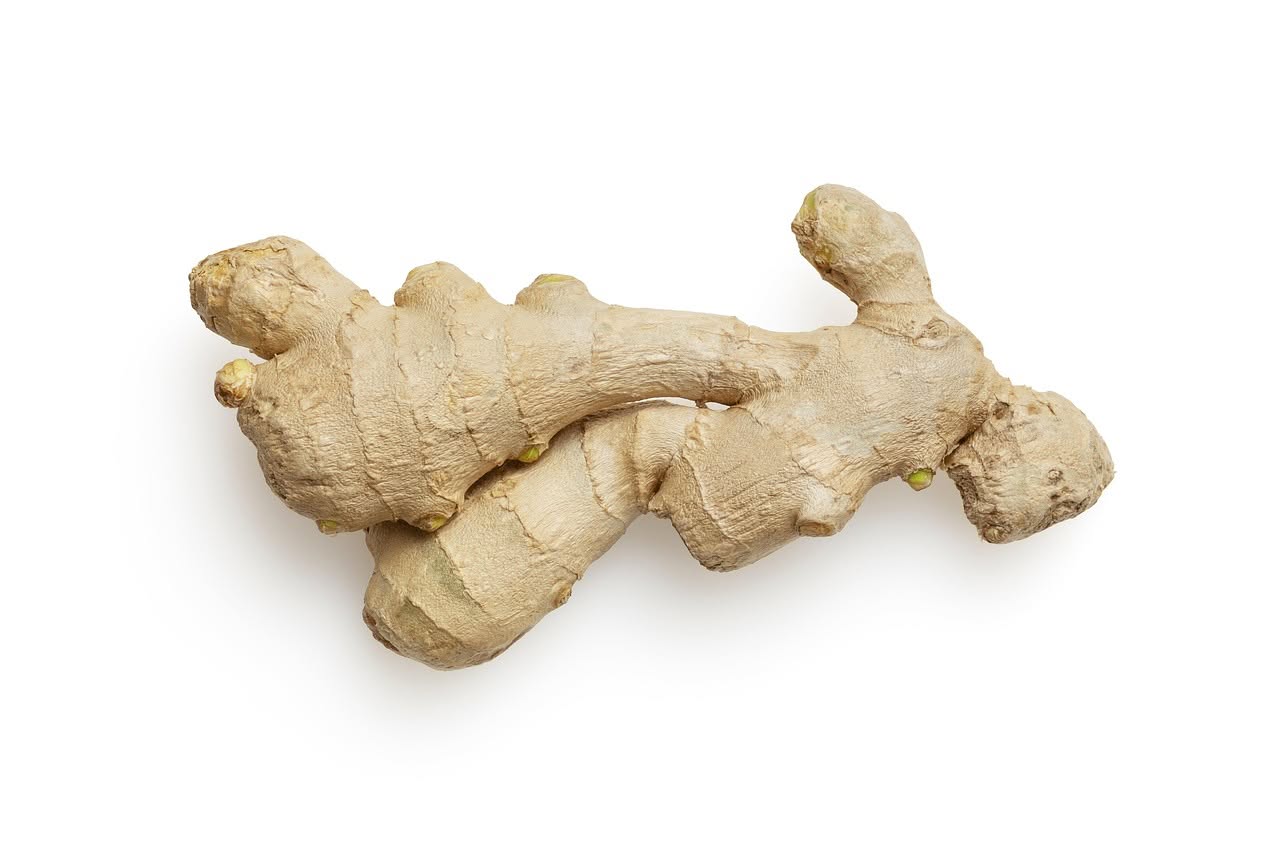
For centuries, people in China, Japan, India, Greece, the Caribbean, England, and the United States have used Ginger root in meals, teas, breads, cookies, ginger ale, and beer.
Its pungent compounds, including Gingerols and Shogaols, may affect the Gastrointestinal tract, and their proportions vary between fresh, dried, and heated ginger.
Still, the best human evidence supports nausea relief, while findings on bloating, gas, indigestion, and motility remain limited.
Our Observations
- Ginger’s strongest digestive evidence is for reducing nausea, including pregnancy-related nausea.
- Small studies suggest it may speed stomach emptying, though symptoms don’t always improve.
- Fullness, indigestion, constipation, bloating, and gas have weaker or inconsistent evidence.
- Tea and food are gentler starting points than concentrated ginger capsules.
- Persistent symptoms, severe pain, bleeding, or unexplained weight loss need medical care.
Ways Ginger Improves Digestion, From Nausea Relief to Better Motility
Gingerols are most abundant in fresh ginger, while shogaols become more concentrated when ginger is dried or heated. These compounds may influence gastric motility, the contractions and movements that help food move through the stomach.
Research is also exploring whether ginger may influence digestive enzymes. However, the potential benefits aren’t the same as those of proven treatments.
It Can Calm Nausea and Vomiting
Stronger evidence: Ginger can reduce nausea, especially during pregnancy. A review of randomized trials found ginger outperformed placebo for nausea, although it did not consistently reduce vomiting episodes.
See the review of ginger for nausea for the wider evidence base.
Motion sickness, post-surgery nausea, and treatment-related nausea have also been studied, but results vary.
Many trials used about 1,000 mg daily. Pregnant people should ask a health professional before using ginger supplements.
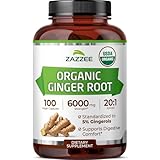
- OUTSTANDING VALUE / 3+ MONTH SUPPLY: Our USDA Organic Ginger Root Extract 100 capsules per bottle, is standardized to 5% Gingerols AND is Certified USDA Organic – an amazing value! Compare this to other leading brands that contain less than 100 capsules, are not standardized for Gingerols, are not organic, and use a much less potent, non-standardized powder. Our USDA Organic Ginger Root Extract is a bargain not be found elsewhere!
- USDA CERTIFIED ORGANIC: All ingredients, including the capsule, are 100% USDA Organic. With Zazzee Certified Organic Ginger Root, you can be sure your Ginger Root is organic, all-natural, vegan, and non-GMO. Our Organic Ginger Root Extract Extract does not contain any sweeteners, artificial flavors, wheat, corn, gluten, soy, milk, egg, fish, shellfish, or tree nut ingredients.
- 5% GINGEROLS: Gingerols are the “good stuff”, the beneficial compound in Ginger Root that provides the desired results. Our Ginger Root Extract has been standardized to contain a minimum of 5% Gingerols, which is one of the highest standardization numbers available. The higher the numbers, the more potent the extract. Clearly, not all Ginger Root is created equal!
- POTENT 20:1 EXTRACT: Our Organic Ginger Root Extract Capsules are derived from a potent, concentrated 20:1 extract, making them 20X stronger than standard Ginger Root powder. Combine that with USDA Organic Certification, and our Organic Ginger Root Extract is one of the most potent products available!
- GOLD STANDARD PRODUCTION: Your health and safety mean everything to us. For that reason, our USDA Organic Ginger Root Extract is manufactured in the USA, in a fully certified facility with adherence to good manufacturing policies and under the most stringent quality control. You can rest assured that you get the best value for your money!
Last update on 2026-09-18 / Affiliate links / Images from Amazon Product Advertising API
It May Help Food Leave the Stomach More Efficiently
Gastric emptying is the process of moving food from the stomach into the small intestine. When it runs slowly, people may feel overly full or uncomfortable after eating.
In one small functional dyspepsia study, ginger reduced gastric emptying half-time from 16.1 minutes with placebo to 12.3 minutes.
The gastric motility trial showed faster motility but did not show improved digestive symptoms overall.
It May Support Natural Stomach Contractions
The lower stomach uses rhythmic antral contractions to grind food and guide it onward. Limited research suggests ginger may increase these contractions, which could help explain faster emptying in some studies.
Results aren’t entirely consistent, and stronger contractions don’t necessarily mean less discomfort. People with chronic symptoms should avoid self-treating a possible digestive disorder with supplements alone.
It May Ease Functional Dyspepsia
Functional dyspepsia causes recurring upper abdominal discomfort, early fullness, nausea, or burning without an obvious structural cause. Ginger may help some people due to its potential effects on stomach motility.
Evidence remains limited. Faster emptying may help one person feel better after meals, while another may notice no change at all.
It May Reduce the Heavy, Full Feeling After Meals
A heavy feeling after a meal can occur with slow gastric emptying. Ginger may improve post-meal comfort for some people, particularly when it supports normal stomach motility.
That doesn’t mean it prevents fullness or treats every cause. Rich meals, reflux, food intolerances, and gallbladder problems need different approaches.
More Ways Ginger May Support Comfortable Digestion
The remaining ways ginger improves digestion have less certain evidence. Some are based on early human research, while others reflect long-standing food and tea traditions.
It May Ease Occasional Indigestion
Limited evidence: Ginger may help with occasional Indigestion through its possible influence on stomach motility and meal-related comfort. Fresh ginger in a stir-fry or a mild tea can be a reasonable food-based experiment.
Persistent indigestion deserves an evaluation. Reflux, ulcers, gallbladder disease, and medication effects can all cause symptoms that ginger won’t fix.
It May Help With Constipation When Slow Digestion Plays a Role
Ginger isn’t a proven treatment for constipation. Still, its possible effect on digestive movement may support regularity for some people when sluggish digestion contributes to the problem.
Fiber, fluids, physical activity, and a regular bathroom routine have stronger support. Constipation that lasts more than a few weeks, or comes with pain or bleeding, needs medical advice.
It May Reduce Bloating and Gas for Some People
Some people feel less bloated when their stomach empties more comfortably. Yet the evidence for ginger’s effectiveness in relieving bloating and gas is weak and inconsistent.
Ginger can also cause belching, gas, or bloating in some people. Start with a small amount, then pay attention to your own response rather than assuming more will help.
Its Plant Compounds May Help Calm Digestive Irritation
Ginger contains gingerols, shogaols, zingerone, and related aromatic compounds. Laboratory research suggests antioxidant effects and Anti-inflammatory properties, including possible effects related to Oxidative stress.
These findings don’t prove ginger treats ulcers, Irritable bowel syndrome, Inflammatory bowel disease, or Chronic inflammation. Food-based ginger is a flavoring, not a replacement for prescribed care.
You can learn more about gingerol and related anti-inflammatory compounds while keeping the clinical limits in mind.
It May Support Overall Gut Comfort as Part of a Balanced Diet
Ginger can fit well into a routine that supports digestive health, including regular meals, adequate fluid intake, fiber-rich foods, sleep, and movement.
Its warm flavor may also make simple meals and drinks more appealing when your appetite is low.

Individual response matters. If ginger irritates your stomach, another option among these herbs that support healthy digestion may suit you better.
Faster stomach emptying is a measurable effect in some studies, but it doesn’t automatically mean fewer digestive symptoms.
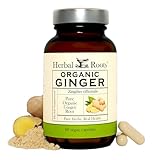
- DIGESTIVE HEALTH – Ginger is traditionally used to promote healthy digestion and digestive comfort, including occasional nausea.*
- IMMUNE SUPPORT – Helps maintain the body’s natural defenses and everyday immune wellness.*
- ANTIOXIDANT SUPPORT – Naturally contains beneficial plant compounds, including gingerols, that help protect against oxidative stress.*
- JOINT & MUSCLE COMFORT – Helps promote everyday joint comfort, flexibility, and mobility while complementing an active lifestyle.*
- 3rd PARTY TESTED – Every batch is 3rd party tested for purity, identity, heavy metals, and microbes.
Last update on 2026-09-18 / Affiliate links / Images from Amazon Product Advertising API
How to Use Ginger for Digestion Without Overdoing It
Food and tea usually provide smaller amounts than capsules or extracts. That makes them a sensible place to begin if you want to see how ginger agrees with you.
Choose the Form That Fits Your Symptoms and Routine
Fresh ginger works well in soups, rice dishes, dressings, and smoothies. Ginger tea can be a gentle choice for mild nausea: steep a few thin slices in hot water, then sip slowly.
Ginger powder is convenient for cooking and baking. Ginger supplements, including capsules, are more concentrated than food or tea. Follow the product label, and ask a clinician or pharmacist about a personal dose.
Some nausea studies used around 1,000 mg daily, while one dyspepsia study used 1.2 g.

Know When Ginger May Cause Side Effects
More ginger doesn’t always mean more relief. Possible side effects include heartburn, abdominal discomfort, diarrhea, mouth or throat irritation, belching, gas, and bloating.
A commonly cited upper safety limit for adults is 4 grams daily, but that is not a target. Food and tea often feel easier to tolerate than a high-dose supplement.
Reduce the amount, or stop, if symptoms worsen.
Who Should Check With a Health Professional First?
Talk with a clinician or pharmacist before using ginger supplements if you’re pregnant, breastfeeding, preparing for surgery, managing a chronic digestive condition, or taking regular medicines.
A medication review is especially sensible if your medicines affect blood sugar levels or blood pressure, or if you have heart disease.
Get prompt medical care for persistent vomiting, blood in stool, black stools, unexplained weight loss, severe abdominal pain, trouble swallowing, or ongoing changes in bowel habits.
Ginger may be pleasant and useful, but it should never delay a diagnosis.
- DIGESTIVE HEALTH – Ginger is traditionally used to promote healthy digestion and digestive comfort, including occasional nausea.*
- IMMUNE SUPPORT – Helps maintain the body’s natural defenses and everyday immune wellness.*
- ANTIOXIDANT SUPPORT – Naturally contains beneficial plant compounds, including gingerols, that help protect against oxidative stress.*
- JOINT & MUSCLE COMFORT – Helps promote everyday joint comfort, flexibility, and mobility while complementing an active lifestyle.*
- 3rd PARTY TESTED – Every batch is 3rd party tested for purity, identity, heavy metals, and microbes.
Last update on 2026-09-18 / Affiliate links / Images from Amazon Product Advertising API
Frequently Asked Questions
Is fresh ginger better than dried ginger for digestion?
Neither form is automatically better. Fresh ginger, dried powder, tea, and capsules contain different amounts and proportions of active compounds. Fresh ginger and tea are often easier starting points because they are less concentrated.
How quickly might ginger help nausea?
Some people notice relief within a short time, especially with tea or a small food-based serving. Research doesn’t support one reliable timeline for everyone. The cause of nausea also affects how well ginger may work.
Can ginger tea be taken every day?
Many people can enjoy ginger tea regularly if it doesn’t trigger reflux, belching, or stomach discomfort. Keep the brew modest and notice how you feel. Daily high-dose supplements call for more caution than tea.
Does ginger work like anti-nausea medicine?
Ginger may help with mild nausea, but it isn’t a substitute for prescribed anti-nausea treatment. Medication may be necessary for severe vomiting, dehydration, chemotherapy-related symptoms, or persistent pregnancy sickness.
Should ginger be taken with food?
Taking ginger with food may feel more comfortable for people prone to heartburn or stomach irritation. However, tea can be easier when nausea makes eating difficult. Choose the option that your stomach tolerates best.
What should you do if ginger worsens symptoms?
Stop or reduce it. Heartburn, diarrhea, gas, bloating, and abdominal discomfort can happen, especially with larger amounts. If symptoms continue after stopping, speak with a health professional.
A Practical Place for Ginger in Digestive Care
Ginger is a useful food and herb with the clearest support for nausea. It may also help stomach emptying and post-meal comfort, although those benefits don’t occur for everyone.
Claims about constipation, bloating, gas, and inflammation need more research. Try a modest serving in food or tea if it suits you, and seek medical advice when digestive symptoms persist or feel severe.



2 Comments