
The Sweet Truth: What Artificial Sweeteners May Be Doing to Your Body
Key Points
- Artificial sweeteners are chemically engineered sugar substitutes that provide sweetness without added calories and are commonly found in many packaged foods and beverages worldwide.
- Most popular artificial sweeteners—such as aspartame and sucralose—are anywhere from 40 to 700 times sweeter than natural sugars. This is because only very small amounts are required, which can affect people’s taste buds and cravings.
- These sweeteners offer a great calorie-free alternative for those looking to manage weight or blood sugar. Research on their long-term health effects is far from definitive, and individuals can respond very differently to specific artificial sweeteners.
- Artificial sweeteners have been reported to influence metabolism, gut microbiota, or appetite. This underscores the need for continued scientific inquiry and prudent consumption.
- Reading ingredient labels and understanding the differences between artificial and natural sweeteners can empower consumers to make informed dietary choices suitable for their needs.
- Choose moderation and discover the delicious, healthy options available! Pay attention to how your body reacts to a moderated approach to sweetness in your diet.
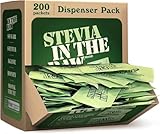
- ZERO CALORIE STEVIA SWEETENER PACKETS: Enjoy sweet taste with fewer calories using Stevia In The Raw packets, a zero calorie stevia sweetener and sugar substitute for coffee, tea and other everyday drinks.
- NO ERYTHRITOL OR ADDED FLAVORS: Made from the sweet leaves of the stevia plant, this vegan stevia sweetener is a gluten free, kosher and low glycemic sugar substitute with clean everyday sweetness.
- EVERYDAY SWEETNESS FOR DRINKS AND SNACKS: Stir this stevia sugar substitute into coffee and tea, or sprinkle it on cereal and fruit for easy zero calorie sweetness in convenient stevia sweetener packets.
- EASY TO USE: Stevia In The Raw packets dissolve easily and are equivalent in sweetness to 2 teaspoons of sugar. Includes 1 box of 200 individual packets.
- NO NONSENSE, JUST NATURAL SWEETENERS: Founded in 1970 when we began the search for a less processed sugar, In The Raw has 50+ years of sweetener expertise. Today, we offer a variety of versatile sweeteners plucked from the earth for every occasion.

Last update on 2026-10-11 / Affiliate links / Images from Amazon Product Advertising API
Artificial sweeteners, or non-nutritive sweeteners, are substitutes for sugar. They are often used in foods and drinks to replace the sweetness of sugar without the additional sugar calories.
Consumers often choose them to lose weight, control blood sugar, or reduce their sugar consumption.
Artificial sweeteners such as aspartame, sucralose, and the plant-based stevia are ubiquitous in soft drinks, snacks, and even toothpaste.
These sweeteners are several hundred times sweeter than sugar, which is why you need only a small pinch.
While health groups re-evaluate their safety, views on long-term effects may still vary.
Finding out what’s fact and what’s hype is really important!
It can feel daunting, but once you know how these sweeteners work and where you experience them in your everyday life, it becomes much simpler.
The following sections unpack these findings.
What Are Artificial Sweeteners?
Artificial sweeteners are non-nutritive sugar substitutes that provide sweetness without the calories found in sugar.
These ingredients are found in a wide range of food and beverage products. You’ll see them in products ranging from diet soft drinks to sugarless chewing gum to reduced-calorie ice cream.
If you need to reduce sugar consumption, you can do so with artificial sweeteners.
They’re a tool you can use to add sweet flavor without the calories, perfect for weight control or blood glucose management!
Understanding how these new sweeteners differ from natural sugars is a good first step. They each work differently within the body!
1. Defining These Sugar Impostors
Artificial sweeteners can be synthetic or natural, but all are designed to mimic the sweetness of sugar in food. They aid in the effort to reduce all Americans’ sugar consumption.
This feature is what makes them appealing to people with diabetes and to dieters on low-calorie diets.
The next time you go shopping, read the ingredient labels closely! These sweeteners go by various names and are often combined with other food additives!
2. Common Types You Encounter
The most familiar artificial sweeteners you may have heard of are aspartame, sucralose, saccharin, and acesulfame potassium. Another one you may have heard of is stevia, a plant-based sweetener typically considered part of this group.
Here’s a quick comparison:
| Sweetener | Sweetness vs Sugar | Calories (kcal/g) |
|---|---|---|
| Sucralose | ~600× | 0 |
| Aspartame | ~200× | 4 |
| Stevia | ~200–300× | 0 |
| Saccharin | ~300–400× | 0 |
| Acesulfame K | ~200× | 0 |
You’ll find them in items such as sugar-free beverages, fruity yogurts, and sweetener packets.
3. How They Trick Tastebuds
This is because artificial sweeteners bind to sweet taste receptors on your tongue that send the “sweet” signal to your brain. The majority are hundreds of times sweeter than sugar, which means you require only minuscule amounts.
This intense sweetness often has a lingering aftertaste. It can affect your cravings or appetite, but studies on this are inconclusive.
4. Why So Intensely Sweet?
The unique chemical structure of these sweeteners allows them to bind intensely to taste receptors. That’s because a pinch can be as sweet as a spoonful of sugar.
This allows food manufacturers to cut costs and calories without sacrificing sweetness intensity. This extreme flavor can influence what consumers think all sweet foods should taste like.

- MONKFRUIT INFUSED SWEETNESS WITHOUT THE SUGAR: Lakanto Monkfruit Sweetener with Erythritol is a white sugar substitute, delivering a texture and taste remarkably similar to white sugar without the calories. This sweetener dissolves effortlessly in liquids, performs reliably in baked goods, and provides the rich sweetness you love. Enjoy all the benefits of a sugar replacement in a convenient 1 lb bag for all your baking, cooking, and beverage needs
- ZERO CALORIE AND ZERO GLYCEMIC SWEETENER: This monk fruit sweetener contains zero calories and has a zero glycemic index, making it suitable for those monitoring their caloric intake and blood sugar levels without compromising on sweetness
- KETO FRIENDLY AND LOW CARB: Specially formulated for ketogenic and low carbohydrate diets, this sweetener allows you to enjoy sweet flavors while maintaining your dietary goals and lifestyle choices
- NON GMO AND GLUTEN FREE: Made with non-genetically modified ingredients and completely free from gluten, this sweetener is safe for those with gluten sensitivities and those seeking clean label products
- VERSATILE SUGAR REPLACEMENT: Use this monk fruit sweetener as a 1:1 replacement for white sugar in your favorite recipes, beverages, coffee, tea, and baking applications for consistent results and delicious taste
Last update on 2026-10-11 / Affiliate links / Images from Amazon Product Advertising API
The Allure of Zero Calories
The appeal of sugar substitutes is irresistible to anyone looking to indulge in sweet foods without the calories. The promise is seductive.
Consumers love the taste of sugar, but don’t love the impact on their waistlines. These sweeteners are often seen as the holy grail for those wishing to maintain a healthy diet.
In fact, about 40% of Americans claim to use them for this specific reason. Consumers are led to believe that replacing sugar with zero-calorie alternatives is a genius move for a healthy diet.
Food and drink manufacturers are continuously introducing these sweeteners in new types of products. That makes it much easier for consumers to choose the zero-calorie versions of their favorite snacks and sodas.
Yet, as with many dietary patterns, not everyone achieves the outcome they hope for.
Some might think that when you make the switch to artificial sweeteners, you automatically lose weight. That’s what a 2018 meta-analysis found, at least — surprising, we know.
In fact, people who used these sweeteners lost no more weight than those who consumed regular sugar. We know that weight control is not as simple as just reducing calorie intake by cutting out sweeteners.
Sweetness Without Real Cost?
Artificial sweeteners allow consumers to indulge in the sweetness they crave without all those pesky calories. This “free” sweetness can have unintended consequences.
If the brain is fooled into expecting calories whenever it senses sweetness, it could alter its responses to hunger and satiety signals.
Some scientists believe this can even lead to metabolic changes. Millions of consumers find it appealing to enjoy sweetness without the guilt, but the long-term health consequences remain unknown.
Their Role in “Diet” Foods
These sweeteners are widely used in diet sodas, yogurts, and snacks.
Marketers lead consumers to believe these products are the healthier option; consumers must consider the overall.
Though diet foods have proliferated, obesity rates have more than tripled in the past 50 years.
Initial Hopes for Weight Control
Initial hopes for weight control through artificial sweetener intake have yielded mixed results, as studies show inconsistent findings.
Real weight control requires more than just a single, one-time fix.
Unmasking Potential Health Dangers

Artificial sweeteners, such as aspartame and sucralose, have long been controversial due to potential health impacts. Though these substances provide a sweet taste with little to no energy, concerns about their safety remain.
New studies continue to explore potential dangers. These risks might not present themselves immediately, but could be significant over decades of use.
For those using this information to decide what to eat or drink, understanding the positive health impacts and potential dangers is crucial.
Your Metabolism on Sweeteners
Sweeteners may alter how our bodies respond to sugar and process it.
Other research indicates they can alter insulin response and blood sugar levels, which is important for those individuals who are at risk for diabetes.
For example, connections have been made between sweetener consumption and increased incidence of type 2 diabetes and obesity.
Despite having few or no calories, these products could ultimately be counterproductive to weight maintenance.
Gut Health: A Sweet Problem?
Unfortunately, recent research has revealed that sweeteners can mess with our gut flora.
Others warn that such changes can cause glucose intolerance and other gastrointestinal complications. In rats, aspartame and saccharin induced both ulcers and DNA damage in the intestinal lining.
Gut health is essential to overall health, and an imbalance here can impact much more than digestion.
Long-Term Safety: What Science Says
Though many of these short-term studies have concluded that these sweeteners are safe, other studies have sounded alarm bells. For instance, a 1977 study associated them with bladder cancer in rats. One potential side effect of sucralose is a reduction in thymus gland size.
While individual reactions vary, additional long-term studies are necessary to confirm safety.
Risks for Vulnerable Groups
Children, pregnant women, and those with pre-existing health issues are at greater risk regarding artificial sweetener intake. For them, the correct advice on sugar substitutes goes a lot further, as aspartame’s ADI is the lowest among common sugar substitutes.
The Bitter Side of “Benefits”
Many users claim headaches and migraines, which some researchers suggest is a reaction to alterations in brain chemicals from artificial sweetener intake.
Better labeling of sugar substitute products would allow consumers to make more informed decisions.
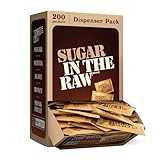
- ALL-NATURAL TURBINADO CANE SUGAR PACKETS: Sweeten coffee, tea, cereal and more with Sugar In The Raw sugar packets, made with crunchy, golden turbinado cane sugar crystals for delicious everyday sweetness.
- A LESS REFINED RAW CANE SUGAR: Grown in the tropics and never bleached, this raw cane sugar keeps its golden color and natural molasses flavor. This all-natural granulated sugar is Non-GMO Project Verified, vegan, kosher, gluten-free and plant-based.
- MADE FOR COFFEE, TEA, AND EVERYDAY SWEETENING: These convenient sugar packets are perfect for stirring into coffee or tea, or sprinkling over fruit and cereal when you want premium sweetness on the go or at home.
- FOR ALL YOUR SWEETENING NEEDS: Our granulated turbinado sugar is also available in a box or bag to meet your baking needs.
- NO NONSENSE, JUST NATURAL SWEETENERS: Founded in 1970 when we began the search for a less processed sugar, In The Raw has 50+ years of sweetener expertise. Today, we offer a variety of versatile sweeteners plucked from the earth for every occasion.

Last update on 2026-10-11 / Affiliate links / Images from Amazon Product Advertising API
Navigating the Regulatory Maze
Artificial sweeteners, also known as non-nutritive sweeteners, are at the center of a complex and evolving regulatory landscape, particularly concerning sugar substitutes.
Each country’s process for approving these additives varies, and the regulations can often seem vague at best.
This patchwork of standards presents ongoing challenges for both manufacturers and consumers, especially in understanding the safety of various sugar-substitute products.
In the United States, the Food and Drug Administration (FDA) plays a crucial role in ensuring the safety of these artificial sweeteners. However, different countries have their own processes and restrictions, making it difficult for consumers to discern what is acceptable.
With the ongoing debate surrounding artificial sweetener intake, it’s essential for individuals to stay informed about what they are consuming.
Emerging research continues to raise questions about the long-term health impacts of these sweeteners. Concerns range from potential alterations in the gut microbiota to skepticism about their effectiveness for weight maintenance.
As consumers become more aware of their dietary patterns, understanding the implications of exposure to artificial sweeteners is more vital than ever.
How Are Sweeteners Approved?
The approval process begins with a thorough examination of laboratory studies. Agencies such as the FDA carefully review animal studies, human trials, and data on how the body metabolizes each sweetener.
Only after extensive testing for toxic effects, cancer risk, and determination of a safe level of intake do they permit their use.
Scientific research is the bedrock on which this all rests. For instance, aspartame and sucralose underwent decades of research prior to approval. Research continues and remains needed as new issues arise.
Global Oversight: A Mixed Bag
Not every country is on the same page about what’s safe. Europe, the U.S., and Japan all released different daily intake limits and approved containment lists.
For example, cyclamate, an artificial sweetener, is banned in the U.S., but permitted in the EU.
This patchwork of regulations creates a scenario in which a product that is legal in one country could be banned in an adjacent country.
Without global standards, consumers are often left in the dark and endangered.
Are Current Safeguards Enough?
For years, too many experts have been sounding the alarm about these gaps in the current regulatory system. Confusing labels and some new sweeteners aren’t even well-regulated in their testing.
Environmental and public interest groups have long advocated for more rigorous testing and clearer labeling.
They help identify potential health risks up front and protect future buyers by making sure they aren’t blindsided.
Science, Policy, and Public Health
Science should inform policy, but policy needs to be proactive in the face of emerging science. Public health organizations are calling for strict, evidence-based rules so that purchasers can make informed decisions.
Continuing discussion among scientists, policymakers, and the public is essential to ensuring regulations are equitable and up to date.

- ZERO CALORIE SWEETENER: SweetLeaf Clear Stevia Sweet Drops deliver satisfying sweetness without added sugars. Enjoy the taste you love with zero calories, perfect for enhancing your favorite recipes
- SWEETEN YOUR FAVORITES: Our sweet drops are a zero-calorie option with natural flavors for coffee, water, smoothies, baking, sauces, and more. You’re in control of every delicious choice
- CONVENIENT FOR ON THE GO: With its compact 4 oz bottle, our liquid stevia sweetener is easy to carry, so you can enjoy zero-calorie sweetness anytime and anywhere
- NO ADDED SUGAR: Enhance your favorite drink mixes by replacing sugar, not the taste. SweetLeaf’s stevia liquid drops are sweetened by nature with no sugars, calories, or artificial ingredients
- PERFECT FOR EVERY LIFESTYLE: Our delicious sweet drops are keto friendly with zero calories or carbs. Enjoy naturally sweet flavor with no artificial ingredients or aftertaste
Last update on 2026-10-11 / Affiliate links / Images from Amazon Product Advertising API
Sweeteners: Artificial vs. Natural

When choosing a sweetener, many people feel torn between artificial and natural options. Artificial sweeteners, such as aspartame and sucralose, are produced in factory settings. They have used compounds such as nitrogen, chlorine, and sulfur.
These are incredibly powerful, often 200 to 700 times sweeter than standard table sugar. Other natural sweeteners like stevia or monk fruit give you a big bang too.
Like stevia, monk fruit is considered a nonnutritive sweetener, as it can be up to 2000 times sweeter than sugar.
Natural sweeteners, unlike their artificial counterparts, are derived from plants and are generally less processed. The word “natural” is misleading, as many of these sweeteners are processed in ways that alter their structure.
Key Nutritional Distinctions
Artificial sweeteners add virtually no calories or carbs. That’s why they’re so common in sugar-free sodas and snacks.
Natural alternatives, such as honey and maple syrup, do contain calories and carbs, but they also offer additional benefits, including antioxidants.
Here’s a simple table to sum up:
| Sweetener | Calories (per g) | Carbs (per g) |
|---|---|---|
| Table Sugar | 4 | 1 |
| Aspartame | ~0 | ~0 |
| Sucralose | ~0 | ~0 |
| Stevia | ~0 | ~0 |
| Monk Fruit | ~0 | ~0 |
| Honey | 3 | 0.8 |
| Maple Syrup | 2.6 | 0.7 |
If you’re counting carbs and/or calories, that decision can be quite significant. For consumers managing diabetes, these distinctions usually serve to guide choices.
Comparing Health Impacts
Health impacts Research shows that artificial sweeteners are safe as long as you don’t exceed the ADI.
Excessive consumption can increase the chances of developing stroke, heart disease, or gastrointestinal conditions such as bloating.
Natural sweeteners, though still more processed, can still spike blood sugar levels — with stevia and monk fruit being the exceptions. Some, such as honey, provide additional perks, including antioxidants. As with all things, moderation is key – for both types.
Decoding “Natural” Sweetener Labels
Natural food labels can be misleading. Decoding “Natural” Sweetener Labels Just because something is labeled “natural” doesn’t mean it’s true.
Just because a sweetener is marked “natural” doesn’t mean it’s not processed or contains additives.
Tip #1 Look past the front-of-package claims and always read the ingredient list. Watch out for sneaky sugars or fillers.
Even natural alternatives aren’t completely clean—some include additional artificial ingredients to stop them from degrading and going bad on the shelf.
Making Healthier Sweet Choices

Making smart decisions about how you sweeten your foods and drinks isn’t easy. That’s not just about flavor, though.
The sweetener you choose can have a powerful impact on your health, vitality, and well-being every day.
It’s time to start making better choices.
Learn more about what’s really in the food you eat. Eat foods as close to their natural state as possible and listen to your body.
Spot Hidden Artificial Sweeteners
Artificial sweeteners are sneaky and can be found in lots of foods. They’re found not just in zero-calorie sodas, but in low-calorie foods like snacks, protein bars, yogurts, and sauces.
Usually, these sweeteners are found under the names aspartame, sucralose, or acesulfame potassium. Inspecting the nutrition label is the first step. Watch for ingredients that end in “-ose” or “-ol,” or the term “sugar substitute.
Reading the label is the only way to know if a product contains these sweeteners. That’s why they can be found in many processed foods—even those touted as “healthy.”
This step is immensely helpful for making your choices as clear and deliberate as possible in what goes on your plate.

- Micro Ingredients Pure Organic Stevia Extract (Stevia Green Leaf Extract Powder Rebaudioside A (Reb-A)), 8 Ounce, Reduced Bitter Aftertaste, Keto Diet and Vegan Friendly.
- 1 Teaspoon of Stevia Sweetener can Have Similar Sweetening as a Whole Cup of Sugar, Stevia Powder Organic, a Sugar Substitute for Stevia Baking and Stevia Drinks.
- No GMOs, No Calories, No Additives, No Preservatives, No Erythritol, No Maltodextrin, No Fillers, No Artificial Colors and No Gluten
- Scoop included to get the measurement every time. Add it to coffee, tea, smoothies, oatmeal, yogurt or your favorite baking recipes.
- Powder lover? Enjoy it in powder form with just one simple ingredient: organic stevia leaf extract.
Last update on 2026-10-12 / Affiliate links / Images from Amazon Product Advertising API
Explore Wholesome Alternatives
Whole foods provide plenty of natural sweetness. Fruit purees, like those from apples, bananas, or even dates, can provide sweetness with an added boost of nutrients.
Swapping in applesauce or mashed bananas as a sugar substitute in baking will help reduce added sugars. These foods come packed with vitamins, fiber, and antioxidants.
It’s no secret that a diet rich in fruits, vegetables, whole grains, and lean proteins is healthier than a diet filled with processed foods.
When you prepare food at home, you have more control over how sweet your food is and what’s in it.
Listen to Your Body’s Signals
Listen to your body’s signals, and your body will tell you what it needs. Others experience bloating or other gastrointestinal distress with artificial sweeteners.
Some people will find their cravings or mood swings more obvious. Keeping track of how your body responds will put you on the path to discovering what works best for you.
Gradually cutting down on sugar will allow your body to adjust to a lower level of sweetness while promoting long-term health. Mindfulness helps you find that balance between what you’re craving and what your body really needs.
Our Conclusion
To choose sweeteners that best suit your goals, consider the evidence. Artificial sweeteners provide a sweet flavor with little to no calories.
While some studies have raised serious health questions, clear proof has been hard to come by.
For consumers looking to reduce sugar intake, these low-calorie sweeteners make it possible.
Being proactive by reading labels and being aware of what you’re putting into your food can lead you to make healthier decisions.
Though researchers are just beginning to understand how these sweeteners affect our bodies, new information is sure to emerge. Experiment with alternatives, such as honey or fruit, if you’re looking for natural options.
If you have specific health needs or concerns, please consult a registered dietitian.
As always, keep asking questions, stay informed, and engage in dialogue with your fellow food and health advocates.
Continue to educate yourself and spread the knowledge you gain.

- Brown Sugar Swap: Reach for it instead of white sugar or brown sugar. Measure it spoon for spoon in cookies, coffee, granola, BBQ, or whatever you’re making. Our Organic Coconut sugar is sweet
- Lower on the Glycemic Index: Coconut sugar ranks lower on the glycemic index than table sugar, and it’s a 1:1 swap. So go ahead. Brighten up your morning coffee. Bake a batch of something good
- A Hint of Caramel: Organic Coconut Sugar brings a warm hint of caramel flavor that adds depth to banana bread, oatmeal cookies, morning coffee, and more. Keep it on hand whenever your recipes could use a little extra something
- Less Processed Than White Sugar: White sugar is heavily refined, but Organic Coconut Sugar is made by heating and dehydrating the sap from coconut flowers. It’s made with one simple ingredient and no fillers
- Our Promise to You: BetterBody Foods Organic Coconut Sugar is USDA Organic, Non-GMO Project Verified, gluten-free, and OU Kosher. It comes in BPA-free packaging and is made for better baking, because life is better when you eat better
Last update on 2026-10-11 / Affiliate links / Images from Amazon Product Advertising API
Frequently Asked Questions
What are artificial sweeteners?
Artificial sweeteners, which are among the many sugar substitutes, are highly refined chemical compounds that mimic sugar. They offer intense sweetness with little or no calories, making them popular in many food products.
Are artificial sweeteners safe to consume?
Most health authorities agree that many sugar substitutes, including artificial sweeteners, are safe for human consumption when consumed within the acceptable daily intake limits. Regulatory agencies like the World Health Organization (WHO) and the U.S. Food and Drug Administration (FDA) regularly review their safety.
Do artificial sweeteners help with weight loss?
Artificial sweeteners, which are calorie-free, can support weight management by reducing caloric intake. However, it doesn’t always work out that way, as research indicates that many sugar substitutes don’t work unless people also alter their eating behavior.
Can artificial sweeteners cause health problems?
While the evidence remains inconclusive, some studies have linked artificial sweetener intake to potential health hazards, ranging from headaches to digestive problems. However, there is a lack of compelling evidence of substantial danger at moderate doses of many sugar substitutes.
How do artificial sweeteners differ from natural sweeteners?
Artificial sweeteners, which include many sugar substitutes, are often produced in laboratories, while natural sweeteners like stevia and monk fruit are derived from plants, both of which aim to reduce sugar intake.
Are artificial sweeteners safe for people with diabetes?
Short answer, yes, because many sugar substitutes, like artificial sweeteners, don’t increase blood sugar. They are frequently suggested to individuals with diabetes as a sugar substitute for healthier diets. Talk to your healthcare providers to get personalized advice.
How can I choose a healthier sweetener?
Pay attention to product labels and look for both artificial sweeteners and natural sugar alternatives. Whatever sweetener you choose, including many sugar substitutes, consume it in moderation as part of a healthy dietary pattern. Choosing less processed options can be healthier, too.



6 Comments