What Are The Health Benefits of a Plant-Based Diet?
Here’s a big secret: Eating a plant-based diet does not mean you can’t eat meat. It means your meals are mostly plants: vegetables, whole grains, and fruits. Beans, seeds, and nuts are also included.
Unless you have been unplugged from the internet and news for the past decade, you have probably heard about plant-based diets.
Unlike other diets where you use it to try to lose weight or attain other big goals, the goal of a plant-based diet is to make you healthier, help the environment, and make a healthy lifestyle change.
With a plant-based diet, you are not strictly vegan, but instead, add in more whole plant-based foods and reduce your meat and animal product consumption.
If you’re wondering why you should consider it, take a look at the many health benefits.
Last update on 2026-10-23 / Affiliate links / Images from Amazon Product Advertising API
Overview of the Health Benefits
If you are looking for the general health benefits of switching to a plant-based diet, you will be happy to know that helping with your heart health and preventing stroke is at the top of the list.
It can also help to reduce cholesterol, level out your blood pressure levels, help you lose weight naturally, and even prevent type 2 diabetes. Some research is also showing promising results in helping to reduce your risk for certain types of cancers as well.
Balance of Nutrients in Your Diet
When you start eating more plant-based food, you naturally increase your nutrients as well. For example, if you ate a turkey sandwich for lunch before, you now want to replace the turkey with more veggies and maybe include some hummus in your sandwich for extra protein.
All these extra veggies, grains, nuts, legumes, seeds, tofu, and other plant-based foods contain such an amazing source of nutrients for you.
Less Cholesterol and Fat
You will also naturally eat less cholesterol and fat in your diet when you start reducing eggs, meat, cheese, and dairy. This will happen naturally without you really needing to do anything. You don’t need to remove them from your diet completely to experience the effects.
You can start slow by having one taco night with meatless crumbles instead of beef or by having a black bean burger instead of a beef burger. This alone will make a very large impact on the cholesterol in your diet.
Greens, Fiber, and More
You will also benefit from the extra greens, fiber, and other important nutrients you might have lacked in your traditional diet.
When you fill up on foods that aren’t balanced nutritionally, you might feel satiated, but your body isn’t getting all the vitamins and minerals it needs to function optimally.
Adding more fruits, vegetables, beans, nuts, seeds, and other plant-based foods will make a big difference in your overall health.

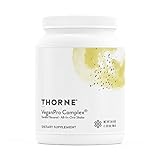
- 20G PLANT BASED PROTEIN POWDER TO FUEL YOUR DAY – Get clean, steady energy in every scoop. This plant based protein powder helps you power through mornings, workouts, or that afternoon slump
- VEGAN PROTEIN POWDER WITH DAILY NUTRITION BUILT IN – More than just protein. This vegan protein powder gives you vitamins, minerals, fiber, and omega-3s so your shake supports your full day
- DAIRY FREE PROTEIN POWDER THAT MIXES SMOOTH – No grit, no clumps. This dairy free protein powder blends easily in water or your favorite milk for a smooth shake every time
- PLANT PROTEIN POWDER WITH REAL GREENS – Get more from your shake. This Protein + Nutrition plant protein powder includes greens like kale and spirulina for added nutrition without changing your routine
- GLUTEN FREE DAIRY FREE PROTEIN POWDER YOU CAN TRUST – Keep it simple. This gluten free dairy free protein powder is vegan, low carb, and easy to use daily

Last update on 2026-10-24 / Affiliate links / Images from Amazon Product Advertising API
Clean Sources of Protein
When you start a plant-based diet, the topic of protein is bound to come up. When anyone considers going vegetarian or vegan, or even just reducing their animal products consumption like in a plant-based diet, they often wonder how they will get nutrients like protein.
The good news is tons of delicious, healthy, whole foods will give you protein without meat, poultry, fish, or eggs.
Here are some of the cleaner options.
Nuts and Seeds
First, you can choose different types of nuts and seeds to fill you up and add more protein to your meals and snacks. They pack a nice protein punch from peanut butter and almond butter to chia seeds.
For example, one serving of hemp seeds contains a whopping 11 grams of protein! It includes other nutrients like fiber, vitamin E, iron, magnesium, and zinc. You can easily add a serving of hemp or chia seeds to your morning smoothie to get an excellent source of protein with breakfast.
Quinoa
While many of the different grains contain some protein, quinoa is one of the most nutritionally balanced. A small serving of ½ cup of quinoa contains 4 grams of protein, and of course, the number goes up if you increase your portion size.
Quinoa is also a gluten-free grain, so it is an excellent option for people with Celiac disease or a gluten sensitivity. It is also high in many vitamins and minerals, plus gives you a little more fiber in your diet.
Beans
When you are on a plant-based diet, much of your protein will come from beans and legumes. These also are really filling foods, so they can bulk up a recipe without costing too much, but really help fill you up and keep you eating whole clean foods.
Plus, both beans and peas also contain a good amount of fiber.
You get about 15 grams of protein in ½ cup of chickpeas, 7 grams of protein in ½ cup of black beans, and 9 grams of protein in ½ cup of cooked lentils.
Oats
If you want to find a good alternative to eggs and breakfast meats in the morning, why not a cup of oatmeal? It is warm, filling, satisfying, and also contains a lot of protein. In just ½ cup of oatmeal, you can get up to 13 grams of protein.
If you want to add even more protein, consider adding some chia seeds or flax seeds to your oatmeal, hemp hearts, or even mixing a scoop of protein powder, then adding a little more liquid.
Eggs
While discussing plant-based food for protein, you may occasionally have eggs. If you want to stick to no meat or poultry but add a few eggs here and there, you will get about 6 grams of protein for each egg you eat.
Overall, choosing a plant-based diet for food will help all your body’s systems work the best they can.