
7 Powerhouse Foods to Combat Chronic Inflammation and Boost Health
Chronic inflammation often works in the background.
You may feel it as low energy, joint pain, off-and-on bloating, or a general sense that your body is under strain.
Over time, it can also affect heart disease and long-term wellness.
Food isn’t a cure, and one meal won’t flip a switch. Still, daily choices like an anti-inflammatory diet can help calm the body’s stress response over time.
The good news is that the most helpful foods are easy to find, simple to cook, and realistic to eat on a busy week, helping to fight chronic disease.

- TURMERIC BOOSTER POWDER: One teaspoon delivers fermented turmeric powder with 50mg curcumin, ginger root, black pepper, and probiotics for post workout recovery and sleep aid support*
- POST WORKOUT RECOVERY POWDER: Includes vitamin C from amla berries, orange, lemon, pomegranate, and rooibos to help support antioxidant processes and healthy inflammatory response in the body*
- SMOOTHIE & BEVERAGE FRIENDLY: Easily add this turmeric booster to your favorite smoothie, juice, or beverage for powerful nutritional support any time of day, including post workout or before bed
- CLEAN & CERTIFIED: Certified USDA Organic, Non-GMO Project Verified, Gluten-Free, Vegan—crafted without artificial dyes or fillers for pure, plant-based wellness
- GARDEN OF LIFE QUALITY: Experience the trusted efficacy of Garden of Life, delivering turmeric, probiotics, and vitamin C for optimal recovery, digestion, and daily nourishment support*

Last update on 2026-10-11 / Affiliate links / Images from Amazon Product Advertising API
What anti-inflammatory eating really means, and why consistency matters
Inflammation isn’t always a bad thing. Short-term inflammation helps you heal after an injury or fight an infection.
The trouble starts when that response lingers too long, even when there’s no clear threat. That’s when chronic inflammation can quietly wear the body down.
An anti-inflammatory diet isn’t a strict regimen. It’s a pattern. You eat more whole foods, more fiber, and more healthy fats, while cutting back on heavily processed foods like processed meats, refined carbohydrates, and refined sugars that crowd out better choices.
According to Harvard Health’s overview of foods that fight inflammation, the strongest results tend to come from plant-heavy, balanced eating patterns like the Mediterranean diet, rich in anti-inflammatory foods, rather than from a single trendy ingredient.
That matters because consistency beats intensity here. A bowl of berries once a month won’t do much. A few anti-inflammatory foods, repeated throughout the week, can add up.
Recent evidence also suggests that these steady patterns may improve quality of life over time, especially for people living with chronic diseases such as cardiovascular disease and type 2 diabetes, as outlined in this systematic review in BMJ Nutrition, Prevention & Health.
How food helps soothe, strengthen, and sustain the body
Think of food like daily maintenance for your cells. Some nutrients help cool excess stress. Others support your gut, blood vessels, and immune system.
Fiber feeds helpful gut bacteria, and that matters because the gut plays a big role in immune balance. Omega-3 fatty acids help the body make compounds that support a calmer response.
Antioxidants and polyphenols help protect cells from damage caused by everyday wear and tear. Minerals such as magnesium also support muscle, nerve, and blood sugar function.
None of this is flashy. That’s part of the point. These foods work best when they show up often, in normal meals, over a long stretch of time.
A simple way to build anti-inflammatory meals without overthinking it
A simple framework makes this easier: start with produce, add protein, include a healthy fat, then finish with herbs or spices.
That could look like spinach, salmon, and walnuts.
Or oatmeal plus berries plus chia seeds. Or a salad with greens, tomatoes, beans, olive oil, and a little ginger in the dressing.
The best anti-inflammatory meal is often the one you can repeat without stress.
Keep that in mind as you build your weekly routine.

- Great Tasting Red Superfood To Alkalize And Energize – This is, hands down the most Delicious Organic Red Superfood containing over 25+ farm fresh nutrient-rich, wholesome fruits and veggies.
- Nutrient Rich Antioxidants – Organic spirulina, organic spinach, organic beet, organic parsley, organic tomato, organic moringa, organic spirulina and more. For digestive support, immune system support, and energy.
- No Artificial Or Refined Sugars + Low Carb. We don’t use artificial sugars, added sweeteners or refined flours. We Only use the highest quality Real Food ingredients that are Organic, Sprouted, Vegan. Quick Easy Mix – Easily digestible & gut friendly.
- 1-For-1 Donation Match Program – Through our 1-for-1 partnership with the nonprofit Vitamin Angels, every purchase provides a child at risk of malnutrition with vitamins for a full year. To date we have helped over 3 million children through this partnership, so thank you for supporting this mission.
Last update on 2026-10-11 / Affiliate links / Images from Amazon Product Advertising API
The 7 best foods to eat more often for chronic inflammation
These anti-inflammatory foods stand out because they bring useful compounds in a practical package. They aren’t magic. They are simply solid choices that support the body from different angles.
### Berries and leafy green vegetables, everyday plants that protect your cells
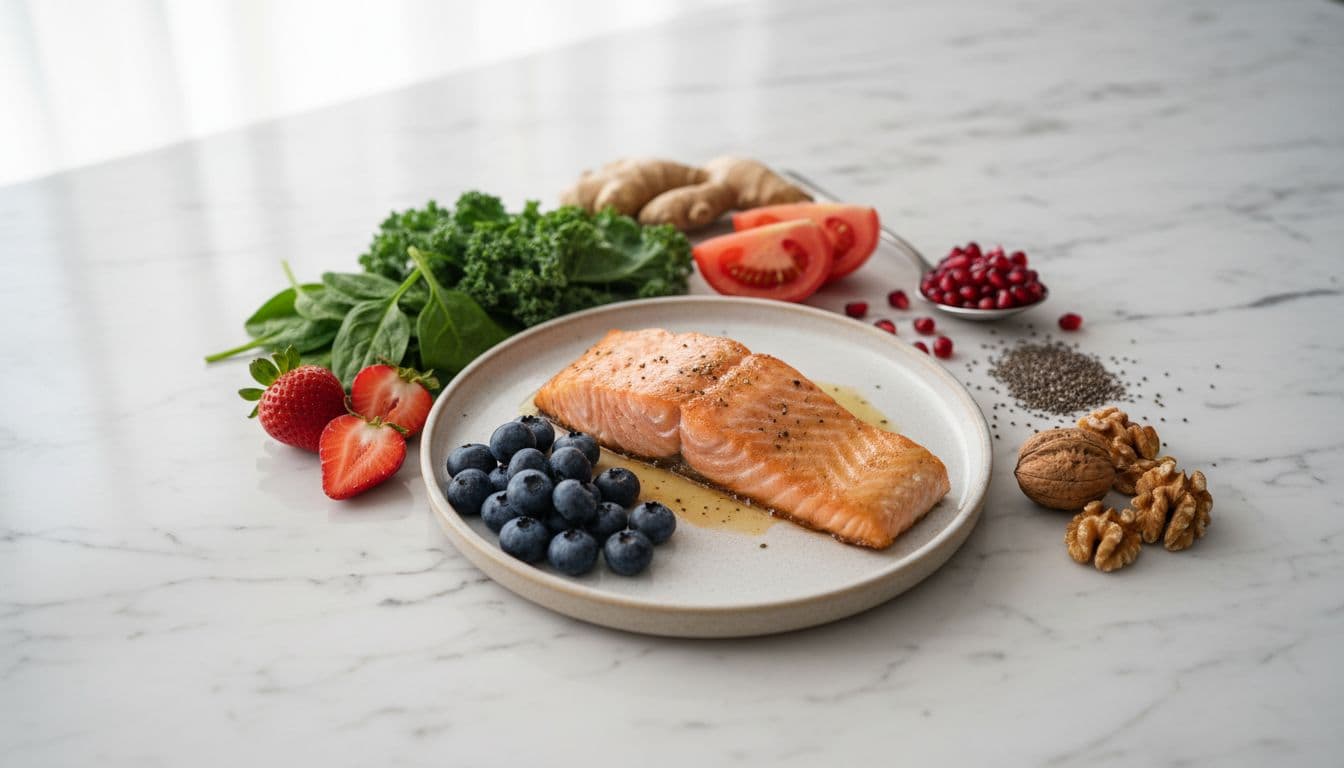
Berries are small, but they carry a lot of weight. Blueberries and strawberries provide fiber, vitamin C, and plant compounds called anthocyanins and polyphenols.
These help protect cells from oxidative stress and damage and may support blood vessel health. They’re also easy to use, which matters more than people think.
Leafy greens bring a different mix. Spinach, kale, and arugula offer carotenoids, folate, magnesium, and fiber. That combination can support gut health, circulation, and overall recovery from daily stress.
If your meals often feel beige, greens are one of the fastest ways to change that.
People with low fruit and vegetable intake may notice the biggest benefit from starting here. Add berries to oatmeal or plain yogurt. Blend spinach into a smoothie. Toss arugula next to eggs, or sauté kale as a quick side dish. Simple wins count.
Fatty fish, nuts, and seeds are smart fats that help calm the body
Fatty fish such as salmon, sardines, and mackerel are well known for omega-3 fatty acids, especially EPA and DHA.
These fats support heart health and may help with joint comfort and the balance of inflammation. If you rarely eat seafood, even one or two fish meals a week can move you in the right direction.
Walnuts, chia seeds, and flaxseeds provide plant-based omega-3s, primarily ALA, along with fiber and beneficial fats. They aren’t identical to fish, but they still fit well in an anti-inflammatory pattern.
They also store well, cost less than many specialty foods, and work in both sweet and savory meals.
If you don’t eat fish, nuts and seeds become even more useful. Sprinkle chia into oatmeal, stir ground flax into yogurt, or add walnuts to salads and grain bowls.
For a broad, practical look at this style of eating, Cleveland Clinic’s anti-inflammatory diet guide offers a helpful overview of why foods like fish, nuts, and produce tend to work well together.
Tomatoes, pomegranate, and ginger, small additions with big impact
Tomatoes deserve more credit. They contain lycopene, a plant compound linked with cell protection and heart support.
Fresh tomatoes are great, but cooked tomatoes can be especially useful because cooking makes lycopene easier to absorb.
That means tomato sauce, soup, and roasted tomatoes all count, as long as the ingredient list stays fairly simple.
Pomegranate adds polyphenols and a bright, tart flavor that wakes up plain meals. You can use the seeds on yogurt, salads, or oatmeal. Unsweetened juice can also fit in small amounts, though whole seeds provide fiber as well.
Ginger is one of the easiest flavor upgrades around. It contains active compounds that may help calm the body’s stress response. Fresh ginger works in tea, soups, stir-fries, dressings, and smoothies. You don’t need a huge amount.
A little, used often, goes a long way. Turmeric offers similar beneficial additions through its active compound, curcumin.
- Certified Organic by CCOF, Gluten Free, No Sugar Added, Plant Based, Non GMO, Kosher

Last update on 2026-10-11 / Affiliate links / Images from Amazon Product Advertising API
How to turn these foods into a weekly routine you can actually keep
Knowing what to eat for an anti-inflammatory diet is one thing. Doing it on a Wednesday afternoon is another.
The trick is to stop treating these foods like special projects. Instead, drop them into meals you already like. That way, you reduce chronic inflammation without having to rebuild your whole life around food.
Easy meal ideas that combine more than one anti-inflammatory food
Here are a few easy ways to stack benefits in one meal:
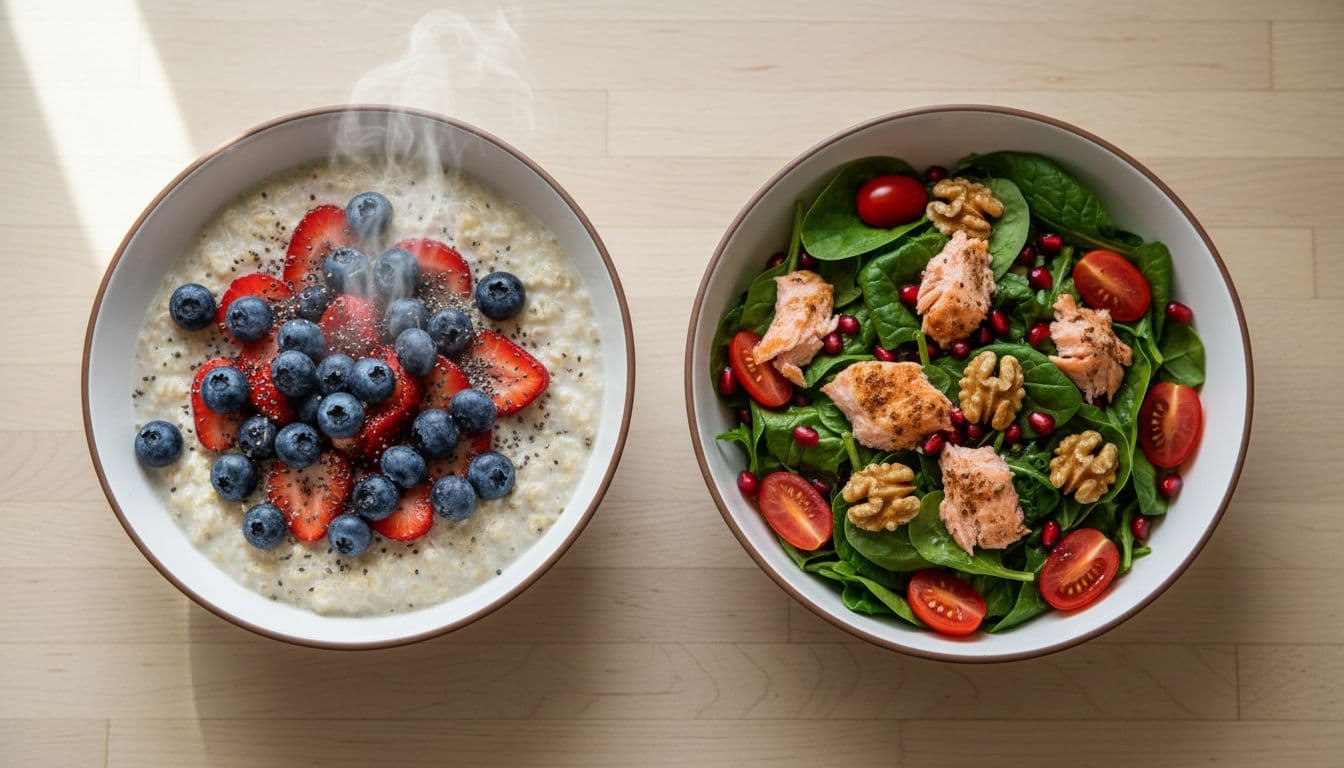
- Oatmeal with blueberries, strawberries, and chia seeds.
- A salmon bowl with spinach, tomatoes, walnuts, and olive oil as a dressing.
- Plain yogurt with pomegranate seeds, ground flax, and nuts.
- A smoothie with spinach, berries, ginger, and milk or soy milk.
Those combinations work because they blend fiber, protein, healthy fats, and plant compounds in one sitting. You don’t need a perfect menu. You need repeatable meals.
Shopping, prep, and portion tips that make healthy choices easier
Make the easy, nearby choice while limiting refined carbohydrates. Frozen fruits and vegetables are often cheaper than fresh and work just as well in oatmeal or smoothies.
Bagged greens save time. Canned salmon or sardines can rescue lunch in two minutes. Pre-cut ginger, simple tomato sauce, and small containers of nuts or seeds cut friction even more.
Portions don’t have to be exact. A spoonful of chia still helps. A handful of greens still counts. If you miss a day, move on and come back at the next meal.
A good goal is to spread these foods across the week instead of forcing them into one day, swapping out processed meats and saturated fats for these healthier options.
That’s also in line with broader advice on reducing inflammation through steady habits, as discussed in National Geographic’s evidence-backed tips.
Common mistakes that can limit anti-inflammatory benefits
This is where many people get stuck. They buy one healthy item, hoping for quick relief from issues like arthritis, heart disease, or cancer risks, then give up too soon.
Relying on one superfood instead of an overall eating pattern
No single food can cancel out an eating pattern built around ultra-processed snacks, sugary drinks, or constant takeout. Berries help, but not if they’re your only bright spot all week.
Ginger tea can be a nice habit, but it can’t carry the whole load. Even turmeric’s curcumin offers potent benefits, yet it works best as part of a broader approach.
Variety and repetition matter more. Rotate different colors of produce. Pair them with protein and healthy fats. Keep showing up with the basics, even when meals aren’t perfect.

- DAILY MULTIVITAMIN SUPPORT – LifeTime Multiple Vitamin & Mineral Powder is a convenient once-daily multi vitamin powder designed for all in one nutrition support for women and men
- EASY-TO-MIX POWDERED VITAMINS – This all-in-one drink mix blends effortlessly with water or juice, making it simple to add essential nutrients to your routine
- AMINO ACIDS FROM NEW ZEALAND DAIRY – Features naturally occurring amino acids sourced from premium milk protein from New Zealand cows to support your daily wellness goals
- NUTRITIONAL SUPPLEMENT WITH PROTEIN – Each serving delivers 8g of protein in a high-quality supplement that supports your active lifestyle and daily nutrition
- HIGH FIBER PROTEIN POWDER FORMULA FOR DIGESTION – This high fiber powdered multivitamin is easy to digest and formulated to support nutrient absorption and digestive health
Last update on 2026-10-11 / Affiliate links / Images from Amazon Product Advertising API
Ignoring the basics that work with food choices
Food matters, but it doesn’t work alone. Poor sleep, high stress, inactivity, smoking, and heavy alcohol use can all push the body toward more inflammation.
That doesn’t mean you need a flawless lifestyle. It means food works better when it’s part of a broader pattern of care, one that also helps reduce the risk of cardiovascular disease.
A short walk, a consistent bedtime, and fewer highly processed meals can all pull in the same direction.
Small choices shape the big picture. That’s the real blueprint.
Pick two foods from this list and add them to your week right away. Maybe it’s berries at breakfast and tomatoes at dinner, or salmon once a week plus chia in your oatmeal. Focus on whole foods to build momentum.
When those become normal, add one more. Chronic inflammation usually builds slowly, and calming it often works the same way with consistent anti-inflammatory foods.


